
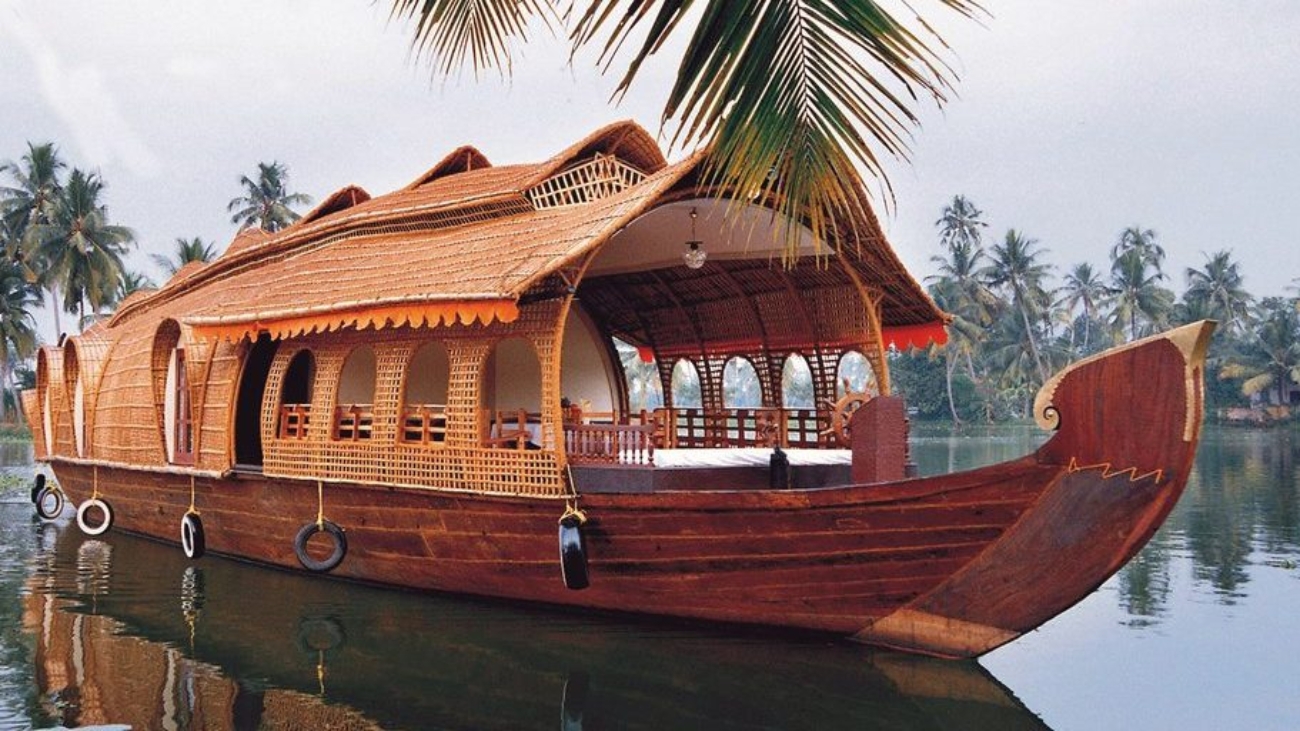
Alappuzha is one of Kerala’s most recognisable districts, yet it remains one of its most economically underperforming relative to visibility. Backwaters, houseboats, coir heritage, beaches, and proximity to Kochi should have translated into stable incomes and dense employment. Instead, Alappuzha remains stuck in a seasonal, low-wage tourism loop and declining traditional industries. The problem is not lack of demand. It is the absence of an industrial structure that treats water as economic infrastructure rather than scenery.
For decades, water in Alappuzha was aestheticised, not operationalised. Boats carried tourists, not goods. Canals were photographed, not integrated into logistics. This is a structural error. Inland waterways are among the cheapest and most sustainable transport systems in the world. Alappuzha sits on Kerala’s most navigable water network, yet uses it almost exclusively for leisure. That underuse represents lost productivity, lost employment, and lost competitiveness.
Alappuzha’s first economic opportunity lies in becoming Kerala’s water-economy district. Inland water freight for construction materials, agricultural produce, and bulk goods can reduce logistics costs across central Kerala. Short-haul water transport linked to Kochi can absorb freight that currently overloads roads. Boat building, repair, retrofitting, and electric watercraft services can create skilled blue-collar employment at scale. Water-based sanitation, waste management, emergency services, and municipal operations can professionalise what is currently informal and fragmented. Water should work for Alappuzha every day, not only during tourist season.
The second opportunity lies in care, wellness, and long-stay residential services. Alappuzha’s geography is naturally suited for recovery, rehabilitation, and ageing-with-dignity ecosystems. Calm environments, water proximity, healthcare access, and connectivity make the district ideal for assisted living, post-surgery recovery, physiotherapy, and long-stay wellness. Kerala’s ageing demographics and migration patterns guarantee sustained demand. This is not resort tourism. It is a residency-based service economy that creates stable, year-round employment, particularly for women and trained caregivers.
The third opportunity is the revival of coir and craft, not as nostalgia but as manufacturing. Alappuzha’s coir sector declined because it remained low-margin, fragmented, and disconnected from design and global markets. Today, global demand for sustainable materials, natural fibres, and green construction products is rising. Advanced coir composites, geo-textiles, furniture, interiors, and design-led craft manufacturing can reposition Alappuzha as a natural-fibre innovation district. This requires clustering, technology upgrades, branding, and export orientation, not subsidies and sentiment.
What has held Alappuzha back is governance fragmentation. Tourism, waterways, industry, housing, and services operate in silos, with no single institution accountable for economic outcomes. Tourist footfall is tracked, but employment quality is not. Boats are licensed, but logistics value is ignored. Crafts are showcased, but value addition is minimal. Without ownership, even strong assets underperform.
Alappuzha does not need more tourists. It needs more value per visitor, per resident, and per kilometre of waterway. If governed intentionally, the district can become Kerala’s water-economy capital, a care-services hub, and a natural-fibre manufacturing centre — delivering high employment without ecological damage.
In a district defined by water, prosperity will not come from watching it flow. It will come from building an economy that moves with it.
