
Ernakulam already dominates Kerala’s economy, but that dominance is fragile. Commerce, ports, finance, media, real estate, startups, logistics, and professional services cluster densely here. Yet Ernakulam did not grow as a consciously designed economic system. It grew by accumulation. Activities succeeded individually, but coordination lagged. Congestion, land stress, rising costs, and institutional fragmentation are now symptoms of that unmanaged success.
Ernakulam’s next phase cannot be about adding more industries. It must be about integration. The district’s real value lies in its ability to connect capital, trade, talent, information, and decision-making across Kerala. If Thiruvananthapuram generates policy and high-value output, and other districts specialise in employment, care, water, ecology, or energy, Ernakulam’s role is to make the system function as a whole.
Trade and finance are the district’s first integration layer. Ernakulam already acts as Kerala’s informal financial centre. Banks, NBFCs, traders, real estate capital, professional firms, and intermediaries operate here, but largely through relationship-driven networks. The opportunity is to formalise this into a platform economy. Trade finance, MSME credit, logistics insurance, compliance services, and digital marketplaces can turn fragmented activity into scalable infrastructure. Ernakulam does not need to manufacture more goods. It needs to organise how goods, capital, and risk move across the state.
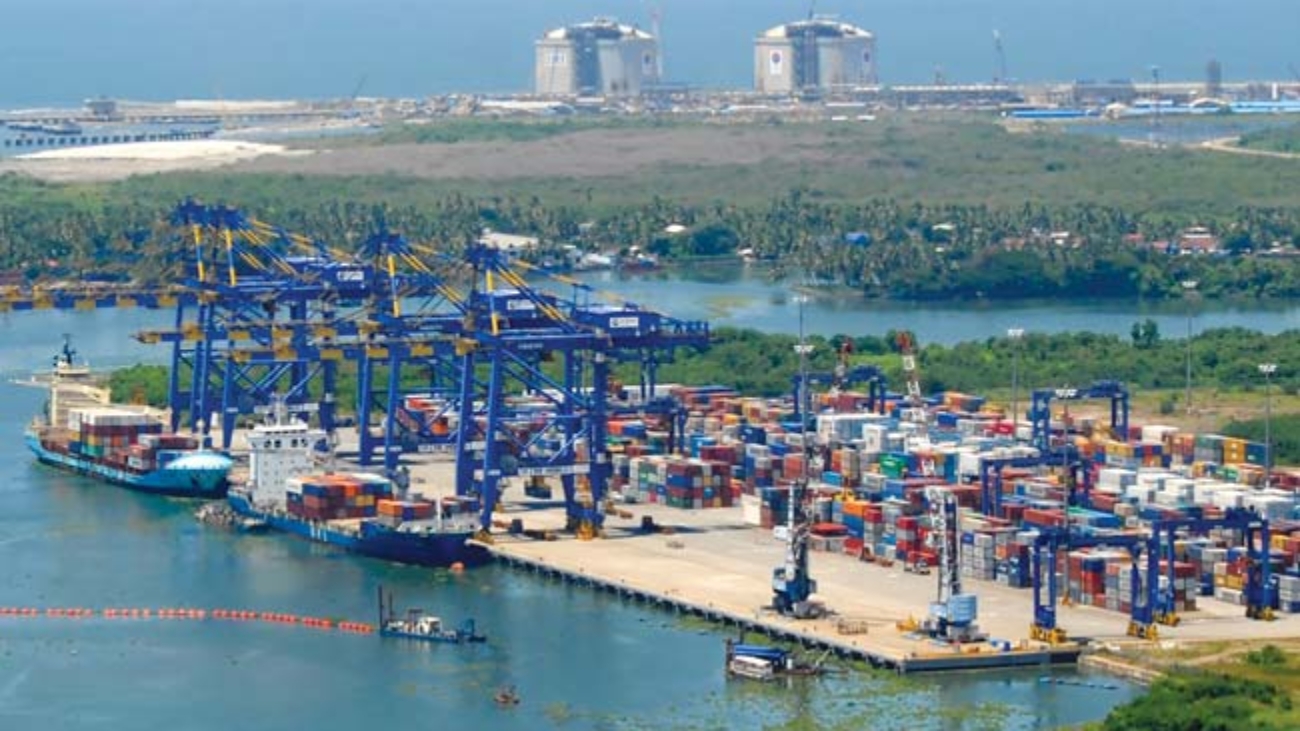
Ports and logistics form the second layer. Cochin Port and Vallarpadam handle significant throughput, yet much of the value leaks out. Logistics remains transactional, not value-added. Urban congestion reduces efficiency. The future lies in port–city integration: value-added logistics, maritime services, freight consolidation, cold chains, and green logistics embedded within urban planning. When ports operate in isolation from cities, they generate traffic. When integrated, they generate productivity.
The third layer is decision-making itself. Ernakulam is Kerala’s narrative and coordination centre. Media houses, legal institutions, consultancies, civil society organisations, and corporate headquarters shape decisions that affect the entire state. Yet decision-making remains an informal influence, not a structured economic sector. Policy research, arbitration, consulting, compliance, conferences, and knowledge events are all legitimate industries. In advanced economies, cities earn by being places where decisions are made. Ernakulam already plays this role informally. The opportunity is to professionalise it.
What threatens Ernakulam is not competition from other districts, but overload. When integration fails, scale becomes fragility. Rising costs push enterprises outward without coordination. Infrastructure investments chase congestion instead of preventing it. Talent clusters but burns out. Without deliberate system design, Ernakulam risks becoming expensive without being efficient.
The solution is not decentralisation for its own sake. It is intelligent coordination. Ernakulam must focus less on growth volume and more on productivity per square kilometre. Its success should be measured by how smoothly trade flows, how efficiently logistics operate, how easily capital finds enterprise, and how effectively decisions translate into execution across districts.
Ernakulam does not need to prove that it is Kerala’s economic capital. That is already true. What it must decide is whether it will remain a crowded marketplace or evolve into Kerala’s economic operating system. Markets create activity. Operating systems create stability.
Kerala’s future will not be decided by one district alone. But it will fail without one district that makes everything else work together. That responsibility belongs to Ernakulam.
