
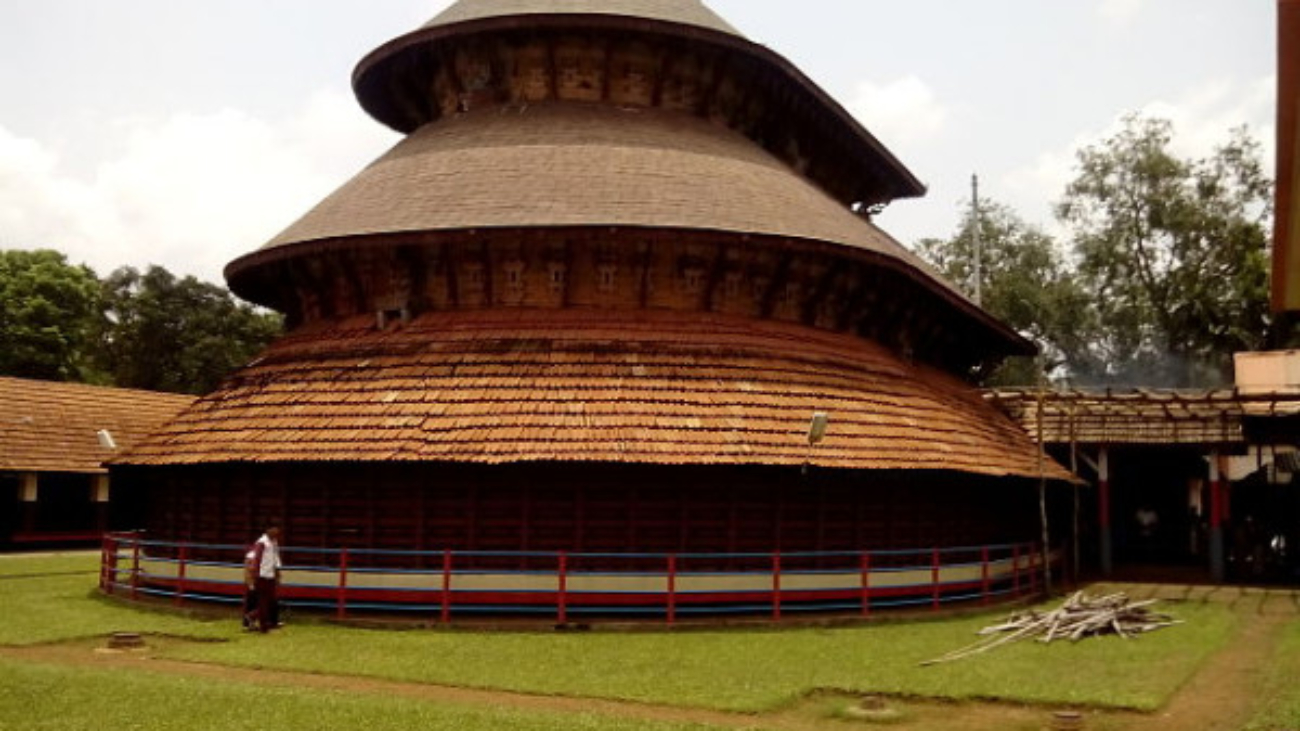
Kasaragod is often described as peripheral, distant, or neglected. That description reveals more about how Kerala thinks than about what Kasaragod actually is. Kasaragod is not the end of the state. It is the point where Kerala meets something else—another language zone, another market, another administrative logic. In economic terms, Kasaragod is not a margin. It is an interface.
For decades, Kasaragod has paid the price of being treated as an afterthought. Institutions are thin, state systems arrive late, and economic planning rarely accounts for its geography. Yet every day, goods, people, and services move through this district between Kerala and Karnataka. That movement creates friction—but also opportunity. Friction unmanaged becomes loss. Friction governed becomes value.
Agriculture is Kasaragod’s first quiet strength. Arecanut, coconut, paddy, rubber, and horticulture dominate the landscape, but most produce leaves the district raw. Value addition happens elsewhere. Farmers absorb volatility while intermediaries capture margins. This is not an agricultural failure. It is a processing failure. Small and mid-scale agro-processing, sorting, storage, packaging, and food-grade warehousing can anchor value locally without changing land use patterns. Kasaragod does not need to grow more crops. It needs to keep more value.
The second opportunity lies in logistics and cross-border trade services. Kasaragod sits at Kerala’s northern land gateway, yet functions mainly as a transit zone. Trucks pass through, labour moves across borders, compliance issues pile up, and informal systems fill the gaps. Warehousing, consolidation hubs, transport services, labour mobility facilitation, and inter-state trade compliance can turn passage into employment. When goods stop briefly instead of rushing through, districts start earning.
Kasaragod’s most underappreciated asset, however, is language. Malayalam, Tulu, Kannada, and Beary coexist naturally here. This is often framed as administrative complexity. In reality, it is economic capability. Language fluency enables trade, mediation, documentation, education services, translation, and compliance across state boundaries. In a country where language friction quietly inflates costs, Kasaragod already has the human infrastructure to reduce it.
What has held Kasaragod back is not lack of talent or resources. It is disconnection. Planning models built for central districts do not fit border districts. Investment metrics that reward density ignore interface value. When success is measured by how much activity happens inside a district rather than how well it connects systems, gateways always lose.
Kasaragod’s future is not about becoming another Kozhikode or Kannur. It does not need to compete with institutions or factories. Its role is different. It connects Kerala northward—to markets, labour flows, languages, and supply chains. When Kasaragod works, northern Kerala becomes cheaper, faster, and more resilient.
In a state where districts are beginning to find distinct economic roles, Kasaragod’s role is clear. It is the bridge district. Bridges are rarely glamorous. They do not accumulate power or attention. But when they fail, everything on either side feels the shock.
Kasaragod does not need sympathy.
It needs recognition as what it already is:
Kerala’s interface with the outside world.
