
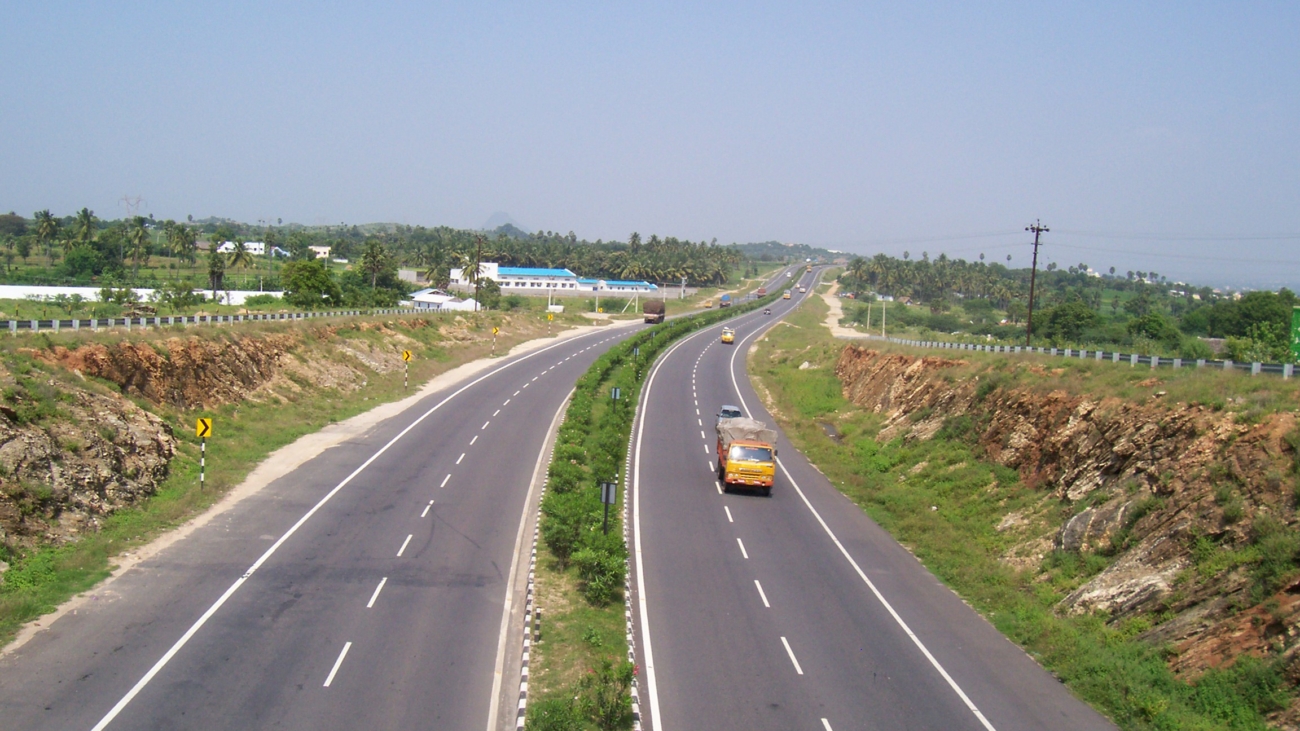
Laterite is Kerala’s most visible raw material and also its most misunderstood. It forms the physical skin of the state’s midlands and highlands, shaping landscapes, architecture and land use for generations. Because it is so common, laterite is often dismissed as a purely local construction material with little export relevance. Kerala Vision 2047 must overturn this assumption. Laterite is not just a building stone; it is a geotechnical resource, a soil system and a material with export potential when processed, standardised and repositioned for global applications in construction, landscaping and climate-adapted infrastructure.
Laterite formations stretch across much of Kerala’s midland belt, especially in districts such as Thiruvananthapuram, Kollam, Kottayam, Kozhikode and Kannur. Historically, laterite has been cut into blocks for houses, compound walls and small civic structures. Its thermal properties, workability and local availability made it a natural choice in a humid tropical climate. Vision 2047 requires recognising that these same properties make laterite relevant to a much wider world facing heat stress, climate adaptation challenges and the need for low-carbon construction materials.
Global construction is entering a period of material rethinking. Conventional cement-heavy systems are being questioned due to carbon intensity, heat retention and ecological cost. Many tropical and subtropical regions are actively exploring alternative materials that are breathable, locally adaptable and less energy-intensive. Kerala’s laterite, when processed and standardised, fits squarely into this emerging demand. Export relevance does not lie in shipping raw laterite blocks indiscriminately, but in developing engineered laterite products tailored for specific climatic and architectural contexts.
Kerala Vision 2047 must therefore reposition laterite as a climate-adaptive construction material. Stabilised laterite blocks, laterite-based panels and compressed laterite elements can be manufactured with consistent dimensions, predictable strength and documented thermal performance. These products are suitable for export to regions with similar climatic conditions across Africa, Southeast Asia and parts of Latin America, where housing demand is rising and conventional materials are both expensive and environmentally problematic.
Export strategy must be rooted in standardisation. One reason laterite has remained local is the absence of universally accepted specifications. Vision 2047 must invest in material research, testing and certification so that Kerala-origin laterite products meet international building standards. When engineers and architects abroad can rely on tested compressive strength, weathering performance and load-bearing characteristics, laterite shifts from being a vernacular curiosity to a legitimate construction option.
Value addition is again decisive. Raw laterite blocks have limited export viability due to weight and variability. Processed laterite products, however, can be optimised for logistics and performance. Interlocking blocks reduce mortar use, prefabricated panels speed construction, and stabilised composites improve durability. Vision 2047 should encourage clusters of small and medium manufacturers producing such components under shared quality frameworks. This creates export capacity without requiring large-scale quarry expansion.
Environmental governance strengthens laterite’s export case. Laterite extraction is shallow and surface-based, which makes land rehabilitation both feasible and visible. Vision 2047 must mandate systematic restoration of laterite sites, converting exhausted areas into water retention zones, agriculture-support terraces or urban infrastructure land. When laterite exports are paired with demonstrable landscape restoration, Kerala can credibly market its products as environmentally responsible, an increasingly important criterion in global procurement.
Energy efficiency further enhances competitiveness. Laterite processing is relatively low-energy compared to cement and steel. Vision 2047 should reinforce this advantage by promoting renewable-powered manufacturing units and low-emission curing processes. As carbon accounting becomes embedded in construction supply chains, laterite’s low embodied energy becomes a powerful export differentiator rather than a secondary benefit.
Beyond building blocks, laterite has export relevance in landscaping, erosion control and slope stabilisation. Many tropical regions struggle with soil erosion, landslides and unstable terrain exacerbated by climate change. Engineered laterite elements can be used in retaining structures, terracing systems and ecological engineering projects. These applications value material compatibility with local soils and vegetation, an area where laterite performs particularly well. Kerala’s expertise in working with lateritic landscapes can be translated into exportable design-and-material packages rather than just physical goods.
Human capital is central to this transformation. Laterite’s export future depends on architects, civil engineers, material scientists and builders who understand both traditional knowledge and modern engineering. Vision 2047 must bridge this gap deliberately. Training programs, research collaborations and demonstration projects can convert Kerala’s lived experience with laterite into codified expertise. When knowledge travels alongside material exports, Kerala captures more value and influence.
Community integration is naturally aligned with laterite development. Laterite quarrying and processing are labour-intensive and geographically dispersed, making them suitable for decentralised economic growth. Vision 2047 should ensure that local communities are active participants rather than passive observers. Stable employment, skill development and local enterprise ownership help root laterite industries firmly within regional economies. When export demand rises, benefits flow directly into midland districts rather than concentrating only in ports or urban centres.
Export narratives matter. Laterite must not be sold merely as a cheap alternative, but as a climate-smart, culturally rooted and environmentally responsible material. Kerala’s architectural history, tropical design intelligence and sustainability discourse can all reinforce this narrative. Buyers increasingly value stories of origin and purpose alongside technical specifications. Vision 2047 must ensure that Kerala’s laterite exports carry both.
By the time Kerala reaches its centenary, climate-responsive construction will no longer be niche; it will be necessity. Materials that work with heat, humidity and rainfall rather than against them will define the built environment of large parts of the world. Laterite gives Kerala a quiet but powerful entry into this future. Vision 2047 is about recognising that the reddish earth beneath Kerala’s feet is not just a memory of traditional homes, but a material language that the world is beginning to rediscover.
