
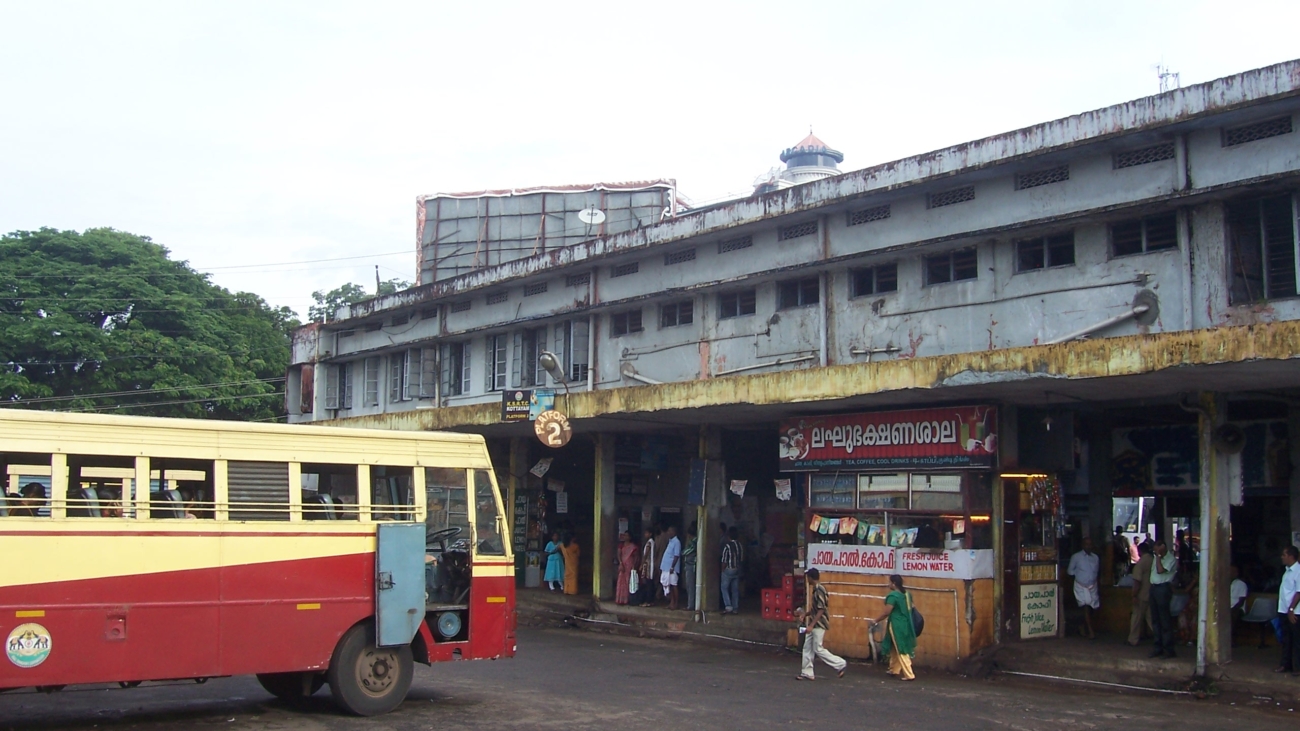
Noise pollution in the urban areas of Kerala is one of the most normalised yet damaging urban problems. Unlike floods or traffic jams, noise does not stop cities visibly. It seeps into homes, classrooms, hospitals, and minds, becoming part of daily life. Because it leaves no rubble behind, it is tolerated, joked about, and ignored, even as it steadily erodes health, productivity, and social harmony.
Urban Kerala is acoustically chaotic. Traffic horns, modified exhausts, construction activity, religious amplifiers, political processions, wedding celebrations, street vendors, and generator sets compete for auditory dominance. There is no clear hierarchy of sound or time. Everything happens everywhere, all the time. The result is not vibrancy but exhaustion.
One reason noise persists is cultural ambiguity. Sound is often equated with celebration, presence, and power. Silence is mistaken for absence. This mindset makes regulation politically sensitive. Attempts to enforce noise limits are framed as attacks on culture, faith, or livelihood rather than as public health measures.
Urban design worsens exposure. Mixed land use places residences next to busy roads, workshops, and commercial hubs. Buildings are constructed without acoustic buffering. Windows open directly onto traffic. Narrow streets amplify sound through reflection. Noise bounces, lingers, and intensifies in ways not accounted for in planning.
Traffic is the dominant noise source. Honking is habitual, not functional. Congestion turns short horn bursts into continuous soundscapes. Two-wheelers with modified silencers create sharp, high-decibel spikes that penetrate walls and ears. Enforcement exists but is inconsistent, creating a sense of impunity.
Construction noise adds another layer. Projects operate without strict timing enforcement. Piling, drilling, and demolition occur early mornings and late evenings. Temporary disruptions become prolonged disturbances. Residents adapt by enduring rather than resisting, normalising harm.
Amplified sound is particularly disruptive. Loudspeakers used for religious events, political campaigns, and private celebrations often exceed permissible limits and time windows. Permissions are loosely monitored. Complaints pit residents against organisers, turning civic issues into social conflicts.
The health impacts of chronic noise are well-documented but under-recognised. Sleep disturbance, hypertension, anxiety, reduced concentration, and hearing loss accumulate gradually. Children struggle to study. Patients recover slowly in noisy environments. Mental fatigue becomes ambient.
Economic impacts are indirect but real. Productivity drops when focus is constantly interrupted. Healthcare costs rise due to stress-related conditions. Property values decline in persistently noisy areas. Yet these costs rarely appear in policy debates because they are diffused and delayed.
Noise regulation frameworks exist, but enforcement is fragmented. Multiple agencies share responsibility, leading to diffusion of accountability. Monitoring equipment is limited. Data is sparse. Complaints are treated as individual grievances rather than indicators of systemic failure.
Public awareness is shallow. People recognise noise as annoying but not as harmful. The absence of immediate catastrophe allows denial. Noise becomes a background tax on urban life, paid daily in reduced well-being.
Solving urban noise pollution requires reframing it as a public health and urban design issue rather than a behavioural nuisance. The first solution is to establish clear urban sound zoning. Residential, commercial, mixed, and silence-sensitive zones such as hospitals and schools must have distinct sound thresholds and enforcement protocols. Without spatial clarity, regulation remains arbitrary.
Time-based regulation needs serious enforcement. Night-time silence is not a luxury; it is a biological necessity. Construction, amplified sound, and commercial activity must respect defined quiet hours. Exceptions should be rare, justified, and transparently granted.
Traffic noise demands systemic intervention. Honking reduction campaigns alone are insufficient. Better traffic flow, signal coordination, and junction design reduce horn use naturally. Strict enforcement against modified exhausts and unnecessary honking must be consistent rather than symbolic.
Urban design can mitigate noise significantly. Tree belts, sound barriers, building setbacks, and façade design reduce exposure. New developments should be required to incorporate acoustic considerations, especially near major roads and activity zones. Retrofitting existing areas through green buffers and street redesign can deliver measurable relief.
Construction management must improve. Mandatory noise management plans, restricted work hours, and real-time monitoring for large projects can balance development with livability. Fines should escalate for repeat violations rather than reset after each complaint.
Amplified sound requires cultural negotiation, not just policing. Dialogue with religious, political, and community leaders can establish voluntary norms that respect both expression and rest. Predictability and fairness reduce conflict more than selective crackdowns.
Technology can support enforcement. Permanent noise monitoring stations in dense areas create objective data. Public dashboards increase transparency. When noise levels are visible, denial becomes harder and compliance easier.
Citizen reporting mechanisms should be simple and responsive. Complaints must trigger action, not paperwork. When residents see consequences, trust in regulation improves and reporting becomes constructive rather than confrontational.
Education matters. Schools, driver training programs, and public campaigns can shift norms around honking and loud celebrations. Behavioural change is slow but possible when supported by visible enforcement and urban design.
Institutional accountability must be consolidated. A single nodal agency with authority over noise management can replace fragmented responsibility. Clear mandates and performance metrics turn noise control from rhetoric into routine governance.
Finally, cities must rediscover the value of quiet. Silence enables rest, focus, healing, and dignity. It is not emptiness but capacity. Urban life does not need to be loud to be alive.
Noise pollution is not an inevitable side effect of density. It is a design and governance failure that can be corrected with intent, consistency, and cultural maturity.
