
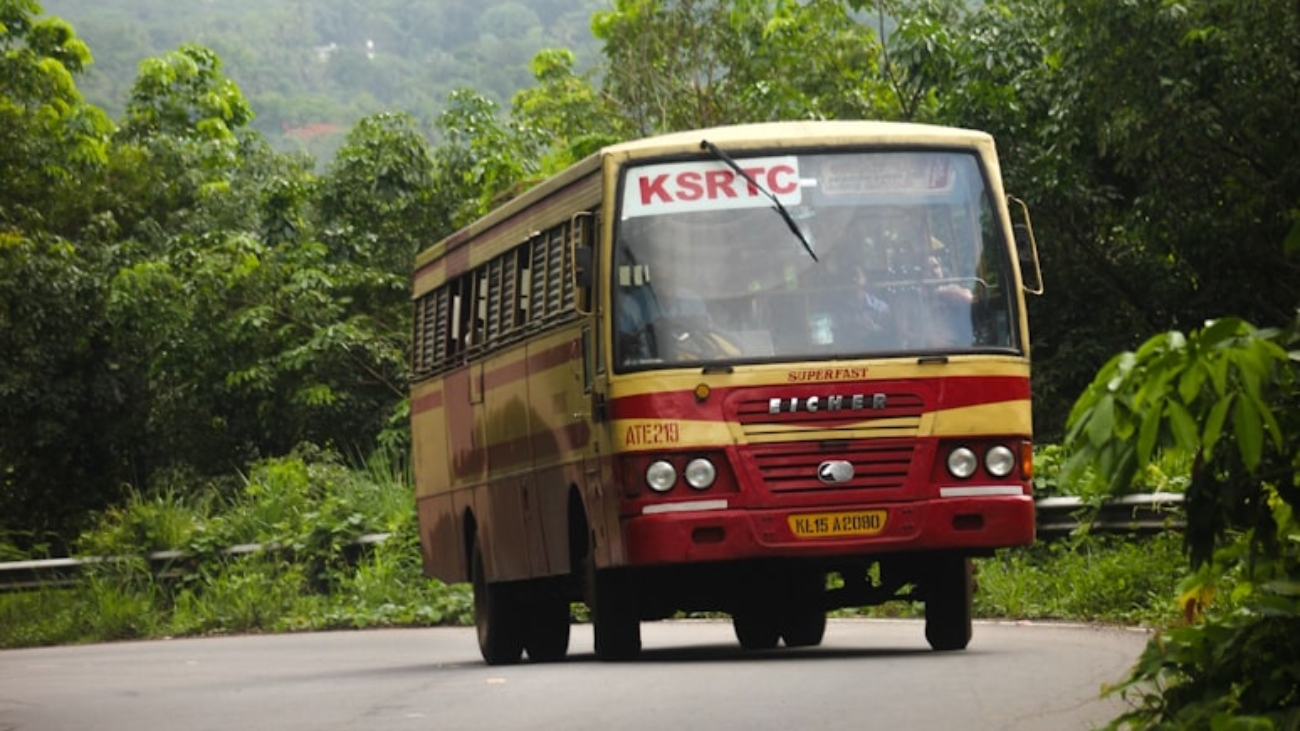
The Kerala State Road Transport Corporation (KSRTC) is not just a transport provider; it is a symbol of public mobility, social equity, and state identity. For decades, KSRTC connected remote villages, supported students and workers, enabled women’s mobility, and provided affordable travel across Kerala’s diverse terrain. Yet today, KSRTC faces existential challenges—financial losses, ageing fleets, competition from private operators, rising operational costs, and expectations for modern, comfortable mobility. As Kerala advances toward 2047, KSRTC must reinvent itself as a technologically sophisticated, financially stable, environmentally responsible, and customer-centric mobility agency. Kerala Vision 2047 requires a bold and comprehensive development agenda that transforms KSRTC from a struggling public utility into a flagship mobility institution.
The first strategic priority is fleet modernisation. A significant portion of KSRTC’s buses are old, fuel-inefficient, and expensive to maintain. By 2047, KSRTC must transition into a fully modern fleet dominated by electric buses, hybrid vehicles, clean diesel units where necessary, and specialised buses for hill districts, coastal areas, and airport connectivity. Electric buses will reduce fuel expenses, improve urban air quality, and align with Kerala’s climate commitments. Fast-charging hubs at major depots—Kochi, Thiruvananthapuram, Kozhikode, Thrissur, Kottayam—can power continuous electric operations. Modern GPS-enabled buses with low floors, comfortable seating, digital displays, and climate control must become the norm, enhancing KSRTC’s appeal and revenue.
Second, KSRTC must embrace digital transformation. In a future shaped by data and connectivity, mobility systems must be integrated, transparent, and user-friendly. KSRTC requires a unified digital ticketing system compatible with UPI, wallets, and smart cards. A real-time bus tracking app must provide arrival predictions, route maps, crowding indicators, and digital complaint systems. Electronic timetables, dynamic scheduling, QR-coded passes, and online season ticket renewals will eliminate long queues and reduce administrative overhead. The customer should have complete visibility into bus schedules, delays, and seat availability. Digital transformation not only enhances user experience but also reduces leakages, improves planning, and builds public trust.
A third essential reform is route rationalisation. Many existing routes were designed decades ago and do not reflect today’s mobility patterns. KSRTC must realign routes using data analytics—population density maps, commuter traffic flows, student movement patterns, and inter-city travel demand. Instead of running multiple overlapping routes competing with private operators, KSRTC must prioritise high-demand corridors, optimise schedules, and introduce feeder services that connect rural belts to main hubs. Express services between major cities—Kochi–Trivandrum, Kozhikode–Kannur, Thrissur–Ernakulam—can offer reliable alternatives to private cars. Rural connectivity must remain a priority, but with redesigned routes that reduce losses and improve frequency.
Fourth, KSRTC must become a multimodal mobility leader. By 2047, Kerala’s transport system will integrate metro rails, water metros, e-rickshaws, bicycles, and private taxis. KSRTC must operate as the backbone of this network, coordinating timetables with metros, establishing integrated ticketing, and creating mobility hubs where buses, ferries, metros, EV autos, and pedestrian pathways converge. Transport integration makes public travel seamless, reduces private vehicle use, and enhances overall mobility efficiency. KSRTC depots can evolve into mobility stations offering charging points, last-mile EV rentals, and parcel delivery services.
Fifth, KSRTC must expand its role in goods transport. The corporation already has Logistics KSRTC, but its full potential remains untapped. By 2047, KSRTC can operate a dedicated electric cargo fleet for last-mile deliveries, intercity freight services, and temperature-controlled logistics for medical or agricultural products. Modern warehouses at major depots can serve as distribution centres for Kerala’s MSMEs. Diversifying into logistics generates revenue and reduces dependency on passenger fares.
Sixth, KSRTC must strengthen financial reform. Chronic financial losses have constrained KSRTC for years. A long-term sustainability plan requires controlling operational costs, improving fuel efficiency, enhancing revenue from non-ticket sources, and modernising administrative systems. Advertising, station rentals, depot-level commercial complexes, digital displays, and parcel services can provide substantial additional revenue. Salary structures, overtime policies, and staff deployment must be rationalised through dialogue and modern workforce management practices. Transparent financial reporting and digital audit systems will improve efficiency and accountability.
Seventh, human resource development is central to KSRTC’s transformation. Drivers, conductors, mechanics, supervisors, and depot staff must be trained in new-generation skills—EV maintenance, customer service, digital tools, safety protocols, crisis management, and environmentally responsible operations. KSRTC can establish a Mobility Training Academy that prepares the workforce for modern operations. A strong staff culture, focused on professionalism and public service, will improve performance and customer satisfaction.
Eighth, safety and surveillance must be enhanced. By 2047, all buses must have CCTV cameras, panic buttons, emergency communication systems, and trained personnel for handling crises. Women’s safety, in particular, must be prioritised with safe night routes, monitored stops, and dedicated women’s seats or women-only services where required. KSRTC must collaborate with police departments to ensure safe travel corridors and quick response mechanisms.
Ninth, KSRTC must develop district-level micro mobility plans. Hill districts require small agile buses, coastal areas require weather-resistant fleets, and tribal belts need rugged off-road connectivity. A one-size-fits-all model is ineffective. Each region’s terrain, demographics, and economic profile must guide fleet deployment and route design. This decentralised approach ensures efficient utilisation of resources and enhances social inclusivity.
Tenth, KSRTC must prepare for climate disruptions. Floods, landslides, heatwaves, and storms pose growing risks. By 2047, KSRTC depots must be climate-resilient, with elevated infrastructure, protected electrical systems, storm-resistant storage, and rapid evacuation buses ready during emergencies. KSRTC’s network must become a pillar of disaster response—transporting medical supplies, rescuing affected populations, and ensuring continuity of essential mobility.
Eleventh, KSRTC must rebrand itself. A refreshed public image, showcasing modernity, sustainability, digital readiness, and passenger comfort, will attract new users. Clean buses, reliable schedules, polite staff, and digital communication build trust. Branding campaigns highlighting KSRTC as Kerala’s backbone of mobility will strengthen emotional connection.
Finally, KSRTC must embrace innovation. Partnerships with startups, universities, and mobility research centres can introduce AI-based scheduling, green hydrogen buses, adaptive routing algorithms, drone-assisted traffic monitoring, and pilot projects in autonomous mobility. KSRTC must evolve into a future-oriented organisation capable of experimenting, learning, and scaling new technologies.
By 2047, a reimagined KSRTC can become:
A fully modern electric mobility fleet
A digitally transparent and user-friendly transport system
A leader in integrated mobility across rail, road, and water
A financially stable enterprise with diversified revenue
A critical pillar of Kerala’s climate and disaster resilience
A symbol of accessible, safe, and sustainable travel for all citizens
KSRTC’s development is not merely about upgrading buses—it is about shaping how Kerala moves, works, connects, and grows.
A Kerala that travels well will be a Kerala that develops well. KSRTC must be at the heart of that transformation.
