
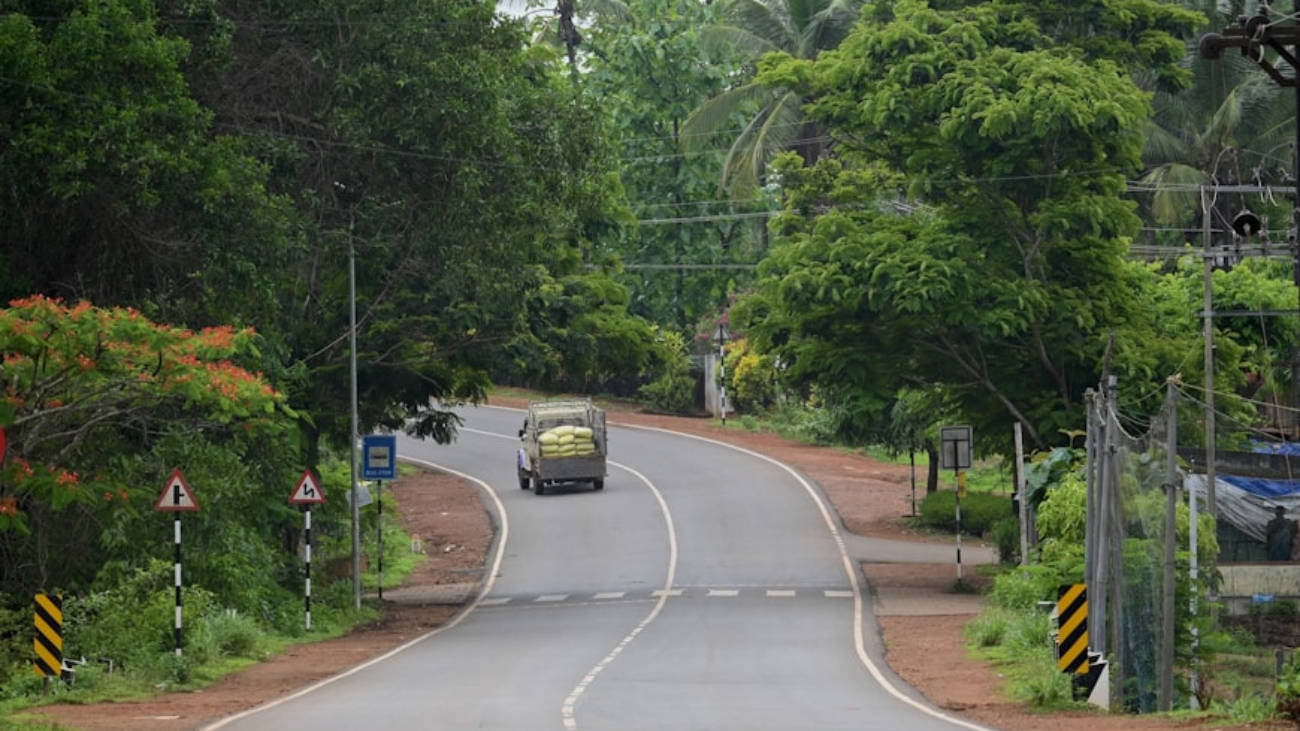
The Kerala Motor Vehicles Department (MVD) stands at the heart of mobility, safety, environmental regulation, and digital governance. With rising vehicle density, expanding cities, rapid EV adoption, increasing road accidents, and growing expectations for efficient public services, the department’s role will only grow more complex by 2047. The future of Kerala’s mobility ecosystem—its safety, sustainability, and efficiency—depends on a visionary transformation of the MVD from a traditional regulatory agency into an intelligent, technology-driven mobility authority. Kerala Vision 2047 must therefore articulate a forward-looking development agenda for the MVD that aligns with global best practices and Kerala’s unique social context.
The first major challenge and opportunity is road safety. Kerala has a disproportionately high number of road accidents relative to its population. Speeding, drunken driving, mobile phone usage, poor road engineering, and weak enforcement contribute to recurring tragedies. By 2047, the MVD must transition to a scientific, data-driven road safety model. This includes establishing a Road Safety Data Command Centre that integrates accident data, CCTV feeds, GPS tracking, and AI analytics to identify risk hotspots, predict accident trends, and guide enforcement. Automated speed detection, smart signal systems, and AI-powered violation recognition can shift enforcement from manual policing to continuous digital monitoring. Road safety education must be standardised in schools, colleges, and workplaces, with MVD leading structured campaigns. When safety becomes cultural, enforcement becomes easier.
The second area is sustainable mobility. Kerala’s rising vehicle numbers place immense pressure on air quality, public roads, fuel consumption, and climate commitments. The MVD must shape Kerala’s shift to electric mobility by 2047. This includes developing EV-friendly regulations, establishing uniform charging standards, integrating charging infrastructure mapping into MVD platforms, providing faster approvals for EV dealerships, incentivising retrofitting of old vehicles to electric kits, and ensuring that public transport transitions smoothly to electric fleets. Pollution testing must evolve into real-time on-road emission monitoring using sensors and IoT devices. The department’s role is not merely to issue fitness certificates but to actively guide Kerala toward a low-carbon mobility ecosystem.
A third pillar of the 2047 agenda is complete digitalisation of services. MVD has already made strong progress with online licensing, vehicle registration, and fee payments. But the next phase must be seamless digital architecture. Paperless driving tests, facial-recognition-based identity verification, blockchain-enabled vehicle history logs, automated appointment scheduling, remote approvals, and AI-enabled customer support can eliminate corruption, reduce delays, and ensure transparency. Smart kiosks at local body offices, fuel stations, and public spaces can help citizens without smartphones access digital services. By 2047, visiting an RTO office should be unnecessary for most services.
Driving training reform is another urgent priority. Many accidents stem from poorly trained drivers. Kerala must create a scientific driving education ecosystem—advanced simulators, structured training curriculum, mandatory defensive driving modules, and certified instructors. Driving schools must be regulated more strictly through periodic audits, GPS tracking of training sessions, and digital logbooks verifying practical hours. The MVD must develop a modern Driving Training and Testing Authority that standardises curriculum and uses state-of-the-art simulators for testing skills under adverse conditions such as night driving, rain, fog, or sudden obstacles.
The MVD must also contribute to modernising public transport. By 2047, mobility in Kerala cannot rely on fragmented, uncoordinated private buses and congested roads. The MVD must aid in route rationalisation, digital ticketing systems, fleet electrification, and intermodal integration—connecting buses, metros, ferries, and EV autos into a cohesive transport network. The department must work closely with KSRTC, local governments, and urban planners to create mobility zones, implement congestion pricing in urban centres, manage ride-sharing regulations, and ensure equitable access to transport.
A fifth core agenda is combating corruption and restoring public trust. Historically, public perception of MVD has been shaped by allegations of bribery, favouritism, and informal payments. Kerala Vision 2047 must institutionalise transparency: mandatory rotation of field officers, body-worn cameras during enforcement, digital receipt systems for spot fines, randomised assignment of inspectors, and grievance redressal dashboards with public visibility. When systems are automated and traceable, corruption loses space. Trust grows when citizens experience fairness.
The department must also strengthen its enforcement capacity. By 2047, MVD enforcement teams should be equipped with advanced tools—portable ANPR cameras, alcohol breath analysers, mobile testing labs, drones for monitoring illegal racing and overloading, and digital enforcement vans. Officers must be trained in behavioural profiling, de-escalation techniques, and evidence-based enforcement. A modern mobility system requires professional enforcement, not intimidation.
A significant challenge is vehicular congestion. Kerala’s linear urban settlement pattern means that even small increases in vehicle numbers create bottlenecks. The MVD must coordinate with transport planners to promote shared mobility, discourage oversized personal vehicles in narrow urban zones, and introduce congestion management frameworks. Regulations must evolve to encourage carpooling apps, micro-mobility (e-scooters, bicycles), and walkable city planning. By 2047, Kerala must be a state where personal vehicles are a choice, not a necessity.
The MVD also has an important role in regulating the rapidly growing logistics and delivery sector. With e-commerce expansion, thousands of delivery vehicles operate across Kerala, often speeding or violating safety norms. Dedicated licensing and training for commercial delivery drivers, vehicle fitness protocols for high-use two-wheelers, and digital tracking for enforcement become essential. Safe logistics enhance economic growth and reduce injuries.
Environmental stewardship must also guide the department’s future. Kerala’s fragile landscape cannot sustain unchecked vehicular growth. The MVD can introduce green certificates for low-emission fleets, incentivise bicycle-friendly towns, enforce strict norms for construction vehicles, and promote environmental audits for transport hubs. Smart pollution testing integrated with cloud-based databases can enable automatic suspension of high-emission vehicles.
Human resource development is essential for transforming the department. The skill set required for tomorrow’s MVD includes cyber forensics, data analytics, urban mobility planning, behavioural psychology, AI ethics, and crisis management. Officers need structured training, exposure visits, mentorship programmes, and recruitment of technical professionals. An in-house Mobility Excellence Training Academy can prepare officers for these evolving responsibilities.
Community engagement is another pillar. Road safety volunteers, school mobility clubs, corporate partnerships for safe commuting, and bystander training programmes can build a culture of collective responsibility. The MVD must maintain open communication channels through social media, helplines, and real-time traffic updates to foster mutual respect between citizens and regulators.
Finally, the department must prepare for climate disruptions. Floods, landslides, and coastal erosion disrupt transport every year. MVD officers must be trained for emergency traffic management, evacuation mobility planning, and rapid restoration of damaged routes. By 2047, a climate-resilient mobility system will be central to Kerala’s safety and economic continuity.
A strengthened Motor Vehicles Department can transform Kerala into:
A state with scientific road safety
A leader in electric mobility
A fully digital, corruption-free regulatory system
A hub for shared and sustainable transport
A society with well-trained, responsible drivers
A resilient and environmentally conscious mobility ecosystem
Kerala Vision 2047 requires the MVD not just to enforce rules but to shape the future of mobility. A modern, technology-driven, citizen-friendly Motor Vehicles Department is essential for building a safer, greener, and more efficient Kerala.
