
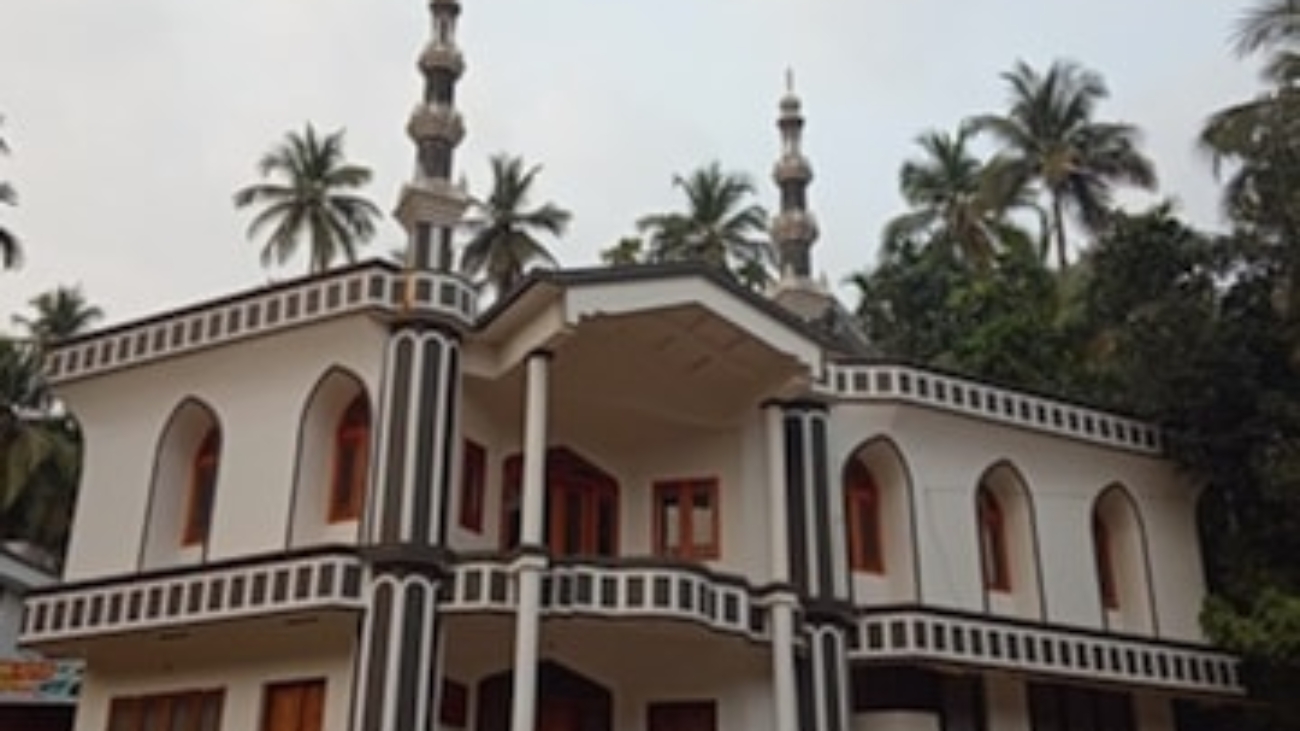
The Muslim community of Kozhikode occupies a central place in Kerala’s social, cultural, and economic history. Deeply shaped by centuries of maritime trade, Mappila heritage, Arabi-Malayalam literary traditions, entrepreneurial energy, and communal harmony, the community has been one of Kerala’s most vibrant contributors. Kozhikode’s Muslims played a defining role in textile trade, hospitality, food culture, coastal commerce, craftsmanship, education, and the region’s cosmopolitan identity. As Kerala moves toward 2047, the Kozhikode Muslim community stands at a critical juncture—rich in cultural legacy, economically diverse, globally connected, yet facing new challenges: shifting labour markets, the need for advanced skills, urban pressures, rising digital polarisation, and the demands of a competitive global economy. A long-term vision must recognise both the community’s strengths and emerging vulnerabilities, guiding them toward a confident, innovative, globally integrated future.
A core pillar of this vision is education. Kozhikode’s Muslim community has made significant progress in school education and literacy, but higher-level representation in elite fields—medicine, engineering, law, scientific research, management, and global technology sectors—needs expansion. By 2047, Kozhikode must become a powerhouse of educational excellence, with community-supported institutions offering advanced coaching, scholarship programmes, and mentorship networks. Madrasa education too can modernise by integrating digital literacy, environmental awareness, basic science, and civic education, preserving religious knowledge while equipping students for contemporary society. Alumni of successful professionals—engineers, doctors, IAS officers, entrepreneurs—can mentor younger students through structured guidance platforms. A strong educational ecosystem becomes the backbone of the community’s long-term prosperity.
Economic modernisation forms the second major pillar. Kozhikode’s Muslims have traditionally excelled in small and medium enterprises—especially in textiles, garments, footwear, bakery, textiles, jewellery, and hospitality. Many of these sectors are under pressure from automation, online commerce, and global competition. Vision 2047 must promote the technological upgrading of these traditional industries. Garment units can adopt modern stitching machines and e-commerce business models. Bakeries and food enterprises can standardise processes, explore packaged goods branding, and expand into national markets. Kozhikode’s iconic hospitality culture can evolve into premium boutique hotels, gourmet chains, and global cuisine exports. The community’s entrepreneurial spirit, once aligned with modern business practices, can become a major driver of Kerala’s economic engine.
Startups must become part of the community mindset. Kozhikode’s youth, often creative and energetic, should be encouraged toward technology entrepreneurship, logistics ventures, digital marketing companies, fintech solutions, and healthcare innovations. New incubators in Kozhikode—especially within educational institutions and mosques’ community halls—can provide training, mentoring, and access to angel funding. Diaspora professionals in the Gulf, Europe, and North America can act as investors and advisors. By 2047, Kozhikode must host a thriving ecosystem of entrepreneurs creating jobs across sectors.
Migration remains a defining factor in Kozhikode’s Muslim identity. Thousands of families have built their futures through Gulf migration, contributing to Kerala’s economy for decades. But the nature of migration is changing due to automation, localisation policies, and shifting global economies. Vision 2047 requires transitioning from low-skilled migration to high-skilled global mobility. Young people must be prepared for careers in data science, cybersecurity, aviation management, healthcare administration, finance, and advanced engineering. Language training institutes can prepare youth for European, East Asian, and Gulf markets. Return migrants, instead of struggling with reintegration, can become micro-entrepreneurs through training in financial management, digital literacy, and business planning.
Healthcare and wellness are essential components of development. Many Kozhikode Muslim families face lifestyle diseases, mental health challenges, and work-related stress. Community organisations, mosques, and health institutions can collaborate to provide preventive healthcare awareness, nutrition education, counselling services, addiction prevention programmes, and affordable clinics. Mental health support is particularly crucial for youth, return migrants, and women balancing work and family responsibilities. A healthy community is the foundation of a prosperous community.
Women’s empowerment is central to Kozhikode’s future. Muslim women in the region have historically contributed to education and family leadership, but their participation in high-skill professions, entrepreneurship, and public life remains limited. Vision 2047 must create pathways for women to enter new careers—teaching, IT, finance, healthcare, design, hospitality, and research. Women’s entrepreneurship forums can support home-based businesses, online stores, and professional networks. Safe mobility, mentorship, and access to training will ensure that women participate fully in shaping the 2047 economy.
Cultural preservation must go hand in hand with modernisation. Kozhikode’s Muslim culture—Mappila songs, Arabi-Malayalam manuscripts, mosque architecture, Thattukada food traditions, and coastal rituals—represents a distinctive civilizational identity. Vision 2047 should digitise manuscripts, record oral histories, promote Mappila arts in schools, establish cultural museums, and encourage youth involvement in heritage preservation. Cultural pride strengthens confidence and bridges generations.
Urban challenges need direct attention. Kozhikode’s rapid expansion has strained roads, housing, waste management, and public spaces. Many Muslim neighbourhoods struggle with congestion and limited access to parks, libraries, and youth centres. Municipal bodies must collaborate with community organisations to create safe public spaces, improve lighting, manage waste responsibly, and build sports facilities. Indoor stadiums, futsal courts, and community gyms can give youth healthier alternatives to digital distractions.
Social harmony remains a cornerstone of Kozhikode’s identity. Historically, Kozhikode is known for religious coexistence, shared festivals, and strong neighbourhood relationships. However, digital polarisation and identity politics threaten this equilibrium. Vision 2047 must strengthen community-level dialogues, interfaith collaboration, school programmes on harmony, and cultural exchanges. Kozhikode’s Muslims must continue to uphold the region’s legacy of inclusiveness and rationality.
Another major opportunity lies in coastal development. Kozhikode’s Muslim communities along the coast depend heavily on fishing and marine livelihoods. Climate change threatens this stability. Vision 2047 must modernise fishing with GPS boats, safety gear, cold storage, and direct-to-market digital platforms. Coastal youth must be trained in cruise tourism, water sports, logistics, and marine engineering. The coast can become a hub of sustainable blue economy initiatives.
Governance and civic participation will shape long-term progress. The Kozhikode Muslim community has strong leaders in education, charity, and business, but needs greater representation in policy-making, national-level administration, and global diplomacy. Leadership programmes for youth—covering ethics, communication, governance, global affairs—can prepare a new generation of public thinkers and administrators.
By 2047, the Kozhikode Muslim community can emerge as one of India’s most dynamic socio-economic groups—educated, entrepreneurial, culturally grounded, globally connected, and socially harmonious. This requires balancing heritage with innovation, identity with progress, and community ties with individual ambition. Kozhikode’s strength lies not only in its past but in its capacity to adapt, reinvent, and lead Kerala into a modern, inclusive, and prosperous future.
