
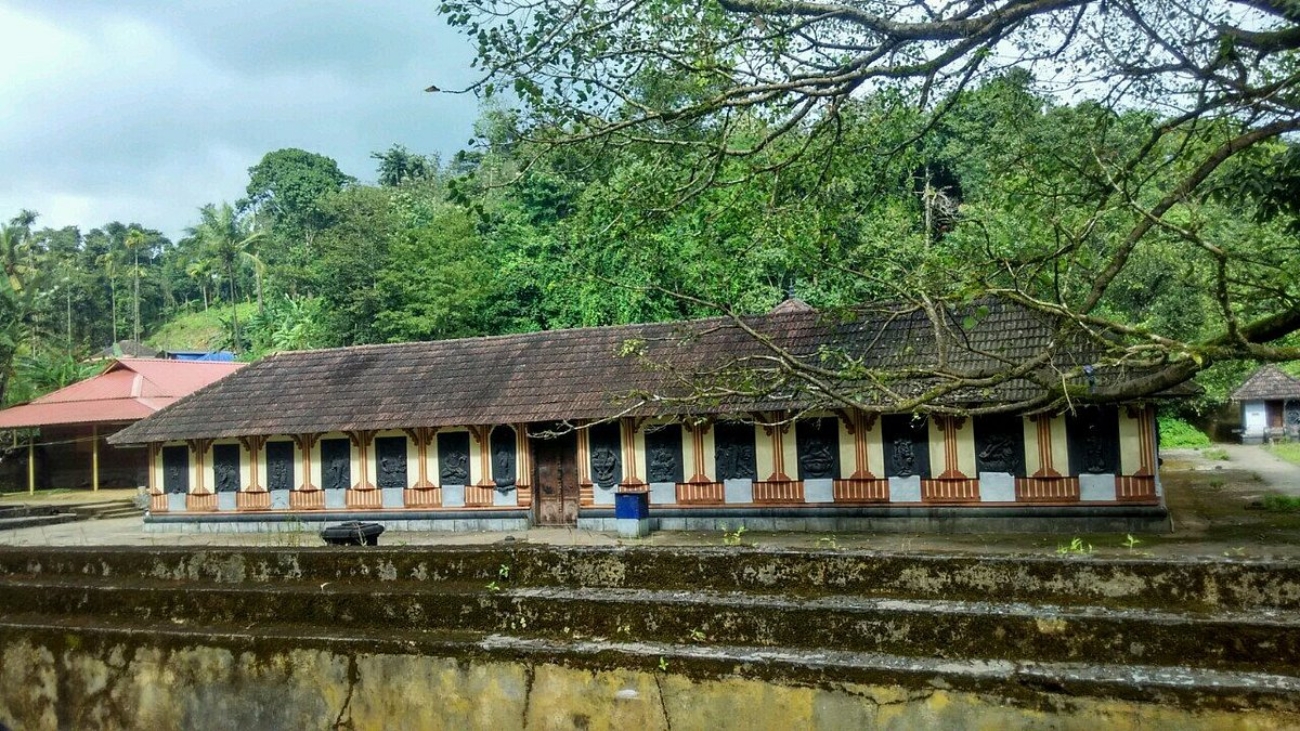
The Namboothiris of Palakkad occupy a distinctive place within Kerala’s cultural, intellectual, and spiritual landscape. While the broader Namboothiri community is historically associated with Vedic scholarship, temple rituals, Sanskrit learning, Ayurvedic knowledge, and classical arts, the Palakkad region carries a unique flavour of this heritage. Unlike the more densely populated Namboothiri centres of Thrissur or Ernakulam, the Palakkad Namboothiri community evolved alongside the agrarian culture of the Palakkad Gap, interacting with Tamil influences, temple clusters, agrarian settlements, and rich oral traditions. This environment produced a community with deep knowledge in ritual practice, traditional sciences, temple governance, music, poetry, and agrarian administration. As Kerala looks toward 2047, the challenge is not only to preserve this ancient intellectual wealth but also to reinterpret it for a modern world where cultural identity, education, technology, and social responsibility must harmonise.
A foundation of this vision must be education. The Palakkad Namboothiris have historically excelled in Sanskrit studies, mathematics, philosophy, music, and Vedic literature. These strengths remain relevant today, but require modern pathways of expression. By 2047, the community must ensure that youth receive a dual education: grounding in cultural knowledge along with excellence in contemporary fields such as data science, biotechnology, law, medicine, AI research, environmental science, and public policy. Families can build mentorship circles where older scholars, professionals, and academics guide younger students. Learning centres that teach Sanskrit, Vedic chanting, temple arts, and classical music can be integrated with digital learning modes, allowing children to navigate both worlds without conflict.
The preservation of knowledge is a second essential pillar. Palakkad’s Namboothiri households hold manuscripts, oral histories, palm-leaf records, ritual texts, medicinal formulas, temple architecture know-how, and unique family traditions that are at risk of being lost by 2047 if not systematically archived. A community-led digital archive can document these materials, translate them, and make them accessible to researchers. Oral history projects can record elders’ teachings on temples, agriculture, family customs, and social structures. Centres for research on Kerala’s ritual heritage, hosted in Palakkad, can attract scholars from across India. Knowledge preservation is not nostalgia—it becomes Kerala’s cultural capital for the future.
Temple culture remains central to the community’s identity, and Palakkad’s temples have distinct architectural, musical, and ritual traditions. By 2047, the Namboothiris of this region must lead in revitalising temple ecosystems with professionalism, transparency, environmental responsibility, and cultural vibrancy. This includes documenting ritual sequences, training new generations of priests, protecting temple lands from encroachment, ensuring sustainable temple festivals, and restoring old structures with archaeological precision. Temples can also serve as centres for classical arts—hosting concerts, Vedic symposiums, chanting workshops, and traditional craft exhibitions. A strong temple ecosystem sustains not just the community but Palakkad’s larger cultural identity.
Economic resilience must be strengthened. Traditionally, Namboothiris relied on land-based income and ritual expertise, but modern economic realities require new strategies. Today, many members of the community excel in professions such as teaching, engineering, finance, and academia, yet entrepreneurship remains a relatively underexplored arena. Vision 2047 must encourage Namboothiri families to diversify their economic base: consulting in heritage management, Ayurvedic wellness ventures, Sanskrit e-learning platforms, temple architecture services, classical arts academies, organic farming initiatives, and legal or financial advisory firms. Combining traditional knowledge with modern enterprise can create sustainable livelihood opportunities.
A crucial part of development involves integrating youth into community life in meaningful ways. Many young people feel distanced from tradition due to academic pressures, urban migration, or lack of exposure to cultural practices. To reconnect them, the community can create annual cultural retreats in Palakkad where youth spend time learning temple arts, oral traditions, cooking, ritual history, meditation, and ecological wisdom. At the same time, digital platforms can make cultural learning flexible, offering online classes in chanting, Sanskrit grammar, and Kerala temple music. The goal is not to impose tradition but to make it accessible and enriching.
Community well-being must be addressed. Palakkad Namboothiri families today face modern stresses: smaller households, caregiving challenges for elders, work-related pressures, and the increasing emotional distance created by migration. By 2047, community organisations must offer structured support networks—elder-care programmes, counselling support, medical assistance groups, and gatherings that reinforce social bonds. Maintaining strong family and community ties is essential for preserving shared cultural identity.
Environmental stewardship is another important dimension. The Palakkad region is deeply linked to agriculture, rivers, and the Palakkad Gap ecosystem. Historically, Namboothiri households practiced water conservation, soil management, and eco-sensitive farming. Vision 2047 can revive these practices through organic farming collaborations, river protection campaigns, herbal gardens, and biodiversity conservation projects. Young members can specialise in environmental policy, hydrology, forestry, and climate adaptation, bridging traditional ecological knowledge with modern science.
Women’s empowerment remains an essential area of progress. Historically, Namboothiri women faced constraints, but the Palakkad region has seen a significant shift in recent decades, with women becoming educators, researchers, artists, and professionals. By 2047, the community must ensure equal access to higher education, leadership roles, financial independence, and cultural participation for women. Women can lead heritage preservation, classical arts promotion, digital archives, wellness ventures, and academic research. A community cannot be strong if half its members are not fully empowered.
Social integration and humility also matter. The historical memory of privilege and social hierarchy can sometimes create discomfort or misunderstanding in modern Kerala. The community’s future depends on engaging with society openly, participating in social service, supporting inclusive development projects, and maintaining a posture of cultural dignity without superiority. Palakkad Namboothiris can play constructive roles in education initiatives, rural development, environmental causes, and inter-community dialogue. A community respected for its intellect and culture must also be admired for its compassion.
Diaspora engagement offers new opportunities. Many Namboothiris from Palakkad live abroad as professionals in science, finance, academia, and IT. By 2047, a global network can connect these members with Kerala through mentorship programmes, cultural exchange, investment in community projects, and support for educational institutions. Such networks help the community remain globally relevant while strengthening its local roots.
Ultimately, Kerala Vision 2047 for the Palakkad Namboothiri community is about balance: honouring ancient wisdom while embracing modern opportunity. It is about raising children who are comfortable with both Sanskrit and Python programming, who appreciate temple music but also pursue scientific research, who value their heritage without being limited by it. A strong community is one that adapts without losing identity, evolves without forgetting origins, and participates in society with humility, confidence, and foresight.
By 2047, the Namboothiris of Palakkad can emerge as cultural custodians, intellectual leaders, global professionals, and responsible citizens—preserving a 2000-year-old heritage while shaping Kerala’s future. Their journey will not only enrich their own community but also strengthen Kerala’s collective cultural and intellectual fabric.
