
The Erumeli–Mundakkayam–Elappara belt forms an important highland gateway connecting the pilgrim routes of Sabarimala, the plantation landscapes of Kottayam and Idukki, and the river-fed valleys that sustain central Kerala. This region has historically grown through agriculture, migration, rubber plantations, trade, and its intimate link to the Sabarimala ecosystem. As Kerala approaches 2047, this tri-region stands poised to become a model for resilient highland development—one that balances ecological regeneration, diversified livelihoods, pilgrimage-linked infrastructure, and sustainable tourism. Vision 2047 for Erumeli, Mundakkayam, and Elappara calls for a transformation that strengthens the region’s ecological foundations while unlocking long-term economic potential rooted in its unique geography.
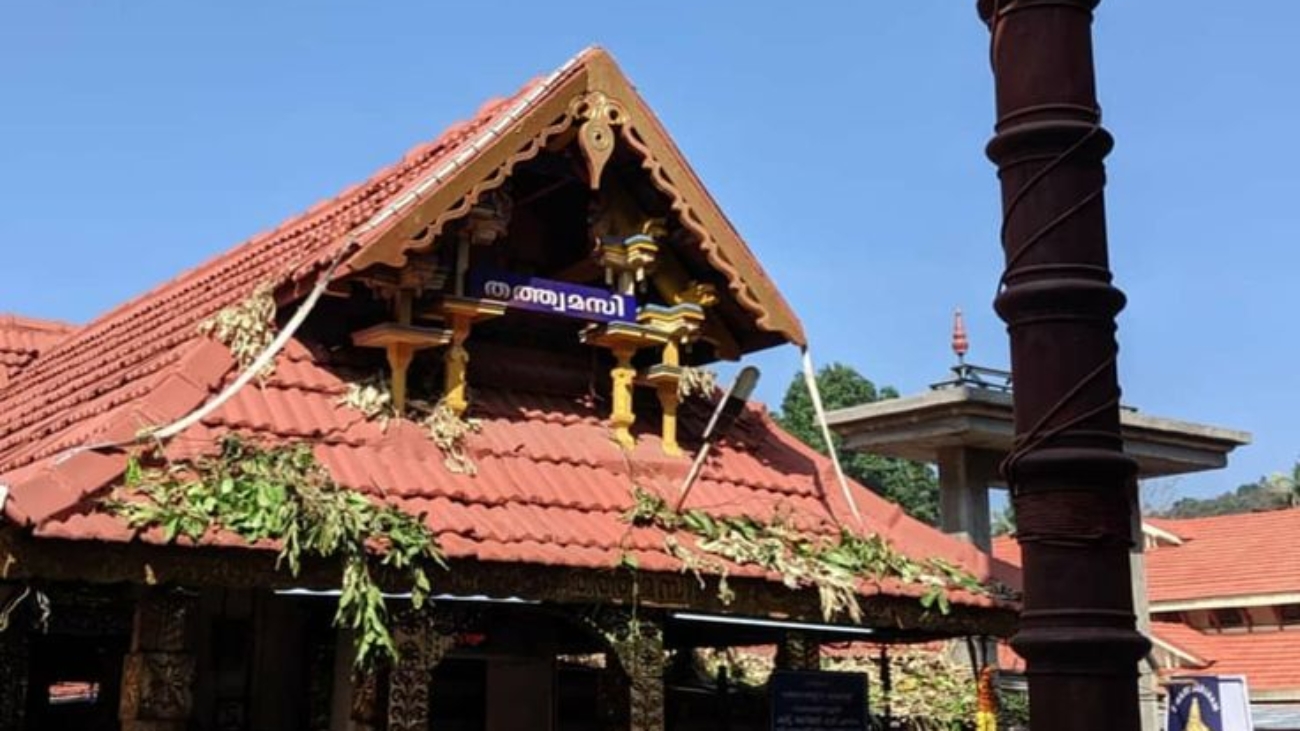
Erumeli is inseparable from the Sabarimala pilgrimage experience. Every year, the town receives vast pilgrim flows during the festival season, bringing both opportunity and strain. By 2047, Erumeli must transition into a world-class pilgrim services town built on sustainability, cultural dignity, and technological efficiency. Crowd management must rely on digital queue systems, predictive mobility analytics, and distributed pilgrim halting zones. Waste management should follow a zero-discharge principle, with large-scale composting, greywater recycling, and biodegradable food packaging mandated during the season. The town should adopt clean mobility solutions—electric shuttle buses, pedestrian-only streets around major temples, and designated mobility corridors linking to Pamba and Sannidhanam entry points. Pilgrim amenities such as rest houses, medical kiosks, and information centres must meet global standards while respecting traditional architecture. Off-season, Erumeli can emerge as a cultural centre that celebrates its syncretic heritage, especially the Pettathullal tradition that symbolises unity and communal harmony.
Mundakkayam, historically known for its rubber plantations and agricultural markets, is undergoing rapid economic evolution as new crops, trade networks, and urban expansion reshape its character. Vision 2047 sees Mundakkayam evolving into a Highland Agro-Trade and Innovation Hub, where agriculture is diversified, value-added processing is widespread, and youth-led enterprises flourish. Rubber will remain a part of the region, but diversification into high-altitude fruits, spices, medicinal plants, vanilla, floriculture, and precision-farming crops must be encouraged. Community-owned agro-processing centres can support spice drying, packaging, fruit pulping, essential oil extraction, and branded products for domestic and export markets. Technology-enabled agriculture—using soil mapping, climate advisories, AI-supported pest control, and drip irrigation—can help farmers manage climate variability. A wholesale logistics centre with cold chains, digital marketplaces, and cooperative marketing will allow farmers to earn stable, predictable incomes.
Elappara, stretching toward the upper hills of Idukki, offers a landscape of tea gardens, hill farms, cool climate, and potential for eco-tourism. Vision 2047 transforms Elappara into a Model Highland Eco-Economy Zone. Tea estates must shift towards sustainable certifications, eco-friendly practices, soil restoration, and inclusive labour welfare systems. Climate-resilient farming methods—like mulching, mixed cropping, and water-efficient irrigation—will strengthen productivity. Eco-tourism can be expanded through curated mountain trails, tea-tasting experiences, scenic viewpoints, birdwatching circuits, farm stays, and outdoor wellness retreats. Tourism density should be carefully managed to prevent overuse. By 2047, Elappara should be known for high-quality, low-impact hill tourism that supports local households, promotes craft and cuisine, and protects the region’s ecological fragility.
Ecological restoration must unify the tri-region’s developmental strategy. The rivers originating from these hills, including tributaries feeding the Pamba and Manimala systems, demand protection through riparian buffer restoration, afforestation drives, and watershed-level planning. Landslides, particularly in high-rainfall belts near Elappara and Mundakkayam, require systematic slope stabilisation, controlled construction, and scientific zoning. A regional Highland Environmental Authority should regulate land use, enforce green building norms, monitor quarries, and oversee ecological impact assessments. By 2047, the region must demonstrate that development in the Western Ghats can occur without weakening ecological resilience.
Connectivity will determine the economic fortunes of this belt. Roads linking Erumeli, Mundakkayam, and Elappara often face issues like landslides, congestion during the pilgrimage season, and inadequate public transport. Vision 2047 introduces a Highland Mobility Plan with improved road engineering, dedicated pilgrim seasons traffic systems, multi-modal transport integration, and widespread adoption of electric vehicles. Erumeli can serve as a pilgrim transit hub; Mundakkayam as an agro-logistics hub; Elappara as a tourism gateway. Reliable digital connectivity across villages and hilltops is essential for education, telemedicine, climate forecasting, and e-commerce.
Community development forms the human foundation of this vision. Tribal and forest-fringe families near the hill slopes must receive enhanced access to healthcare, nutrition, schooling, housing, and livelihood diversification that respects cultural identity. Plantation workers require improved living conditions, wage protection, childcare facilities, and skill training to prepare for changing economic patterns. Migrant workers in Mundakkayam’s agricultural and construction sectors need better housing, sanitation, and legal support. Women’s economic empowerment is central to 2047, with self-help groups playing major roles in agro-processing, eco-tourism management, handicraft production, and local food enterprises. Youth should be given pathways to careers in hospitality, agro-technology, forest management, digital services, and green entrepreneurship.
Education and skill development will shape how the next generation navigates this landscape. Vision 2047 proposes a Highland Skill University Satellite Campus in the region, offering training in agriculture technology, hill-based tourism, renewable energy, construction safety, environmental sciences, and forest conservation. School education must integrate digital classrooms, outdoor learning, and exposure to climate-resilient agriculture. Career centres in Erumeli and Mundakkayam can guide youth toward emerging sectors such as logistics, green construction, remote work services, and creative industries.
Climate resilience sits at the core of all planning for this region. The Western Ghats is sensitive to unpredictable rainfall, increasing temperatures, landslides, and biodiversity pressures. By 2047, a regional climate intelligence network should monitor soil moisture, fire risk, river flow, and extreme-weather alerts. Community-based disaster response teams must be trained in early-warning communication, rescue operations, and post-disaster recovery. Local governments should adopt climate budgeting, ensuring that annual plans align with long-term environmental stability.
By 2047, the Erumeli–Mundakkayam–Elappara belt can emerge as one of Kerala’s strongest highland growth corridors—spiritually vibrant, agriculturally innovative, environmentally secure, and economically inclusive. A pilgrim town that reflects cultural harmony and sustainable management, a trade town that anchors highland agriculture and entrepreneurship, and a hill region that showcases ecological tourism and resilient plantation landscapes—together they represent the layered, future-ready Kerala that Vision 2047 aims to build.
