
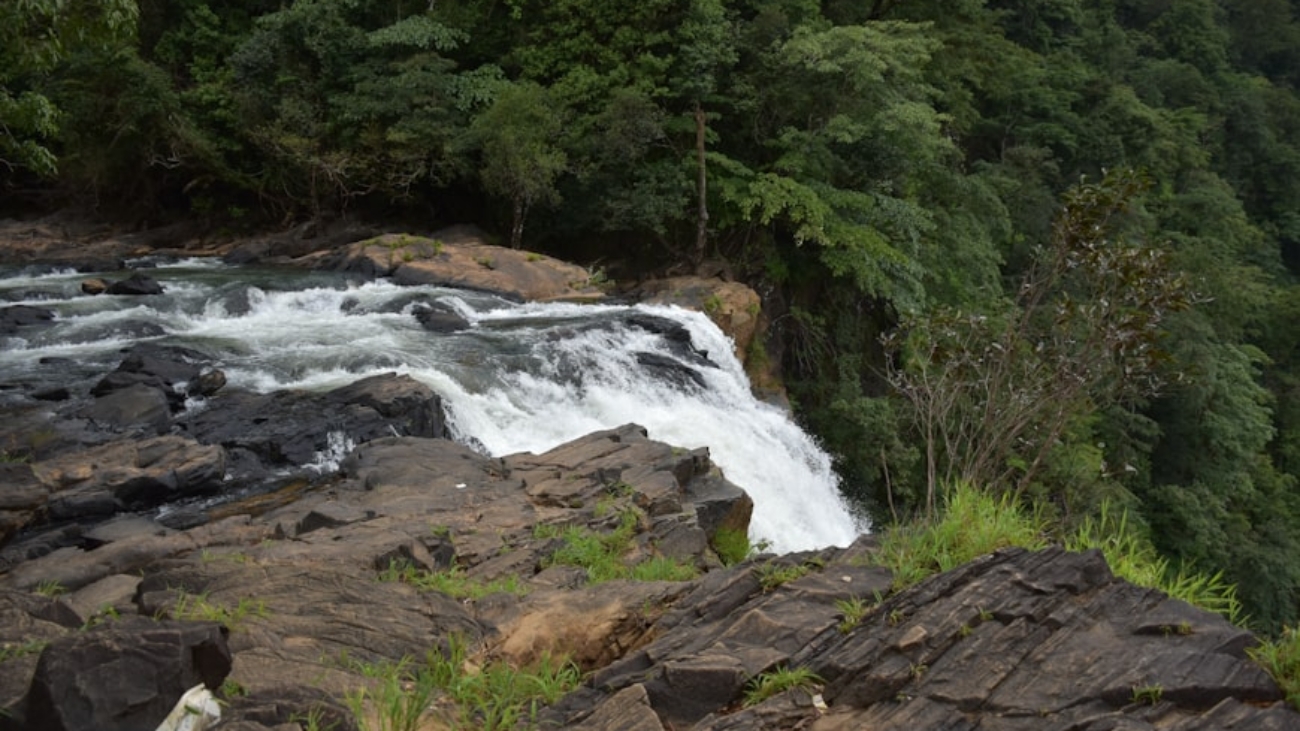
The Bison Valley–Anachal–Rajakkad belt forms one of Kerala’s most dynamic yet under-recognised highland corridors, where plantations, tourism, migrant labour, and fragile ecosystems coexist in a delicate balance. As Kerala moves toward 2047, this region offers a powerful canvas to reimagine mountain development that is both economically ambitious and environmentally responsible. Vision 2047 for this belt is not about adding more resorts, expanding plantations, or intensifying extraction; it is about transforming these hills into living landscapes of resilience, innovation, and equitable prosperity. Each town—Bison Valley with its spice heritage, Anachal with its tourism surge, and Rajakkad with its agricultural backbone—can evolve together into a unified growth arc anchored in sustainability, social well-being, and modern connectivity.
The starting point of transformation lies in stabilising the socio-economic foundations of the region. Much of the labour force here consists of migrant workers drawn from neighbouring states, living in plantation quarters or scattered settlements around Anachal and Rajakkad. Their contribution to cardamom, pepper, and tea industries is immense, yet their living conditions often remain inadequate. By 2047, the belt must adopt a humane and future-ready labour policy with upgraded housing clusters, sanitation, health coverage, language support, childcare centres, and safe mobility options. A region cannot grow if the workers who power it remain invisible in planning. A socially secure workforce will make plantations more productive, reduce turnover, and strengthen the local economy.
Tourism, a major driver in Anachal due to its proximity to Munnar, needs a complete reorientation. Over the years, unplanned growth has led to congestion, environmental degradation, and a widening gap between tourist prosperity and local well-being. Vision 2047 imagines a slow, immersive, community-centred tourism model. Instead of overcrowded viewpoints and high-footfall resorts, the region should nurture guided forest trails, spice estate experiences, birding routes, village stays, culinary walks, and craft hubs. This shift would not only decongest tourist flow from Munnar but also distribute benefits across Bison Valley and Rajakkad, ensuring that tourism becomes a long-term, regenerative economic pillar. Local youth can be trained as eco-guides, digital tour operators, and hospitality entrepreneurs, enabling tourism that is both aspirational and environmentally intelligent.
Agriculture must undergo a parallel transformation. The cardamom-dependent economy of Bison Valley and Rajakkad is highly sensitive to climate variability, price volatility, and soil depletion. Farmers continue to face pest threats, rising input costs, and shifting monsoon patterns that make conventional cultivation increasingly risky. Vision 2047 calls for a diversification strategy built on high-altitude horticulture, including avocados, passion fruit, exotic vegetables, berries, herbs, and floriculture. A network of agro-innovation centres can provide climate advisories, soil testing, irrigation solutions, and AI-enabled crop management tools. By 2047, these hills should host farmer producer companies that manage processing, branding, and marketing for spices and high-value crops, allowing farmers to earn stable incomes and participate in organised value chains.
Water security is the lifeline of the region, and it must be treated as a long-term investment rather than a crisis-response issue. The Bison Valley–Anachal–Rajakkad belt sits within a sensitive watershed, where unscientific construction, quarrying, and soil erosion can trigger landslides and stream depletion. Vision 2047 prioritises watershed rejuvenation through contour bunding, check dams, spring mapping, rainwater harvesting, and strict controls on hillside development. Community-led water councils should monitor stream health and enforce conservation norms. By 2047, the region must achieve hydrological stability, ensuring that both households and plantations have reliable, climate-resilient water sources.
Education and human development form the second structural pillar of progress. Children in highland areas often travel long distances to schools, depend heavily on tuition networks, and lack exposure to modern vocational skills. Vision 2047 imagines high-altitude education clusters offering digital classrooms, robotics labs, language training, sports facilities, and partnerships with agricultural universities and tourism institutes. Skill development centres positioned in Anachal and Rajakkad can prepare youth for careers in hospitality, management, agro-technology, renewable energy, and digital services while also strengthening local enterprises. A thriving future for the region depends on retaining young talent through meaningful opportunities that blend local strengths with global skills.
Healthcare access must evolve into a preventive, tech-enabled system. By 2047, the belt should have a network of telemedicine hubs, mobile clinics, maternal care units, and AI-based diagnostic systems integrated with public hospitals in Munnar and Adimali. Non-communicable diseases, mental health challenges among migrant labourers, and occupational health risks in plantations require targeted interventions. Community health workers trained in multiple languages can bridge cultural gaps and ensure that every resident—local or migrant—receives equitable medical support.
Ecological stewardship will define the long-term destiny of these mountains. The region faces growing threats from habitat fragmentation, illegal land use, waste accumulation, and biodiversity loss. Vision 2047 calls for establishing a Green Highland Authority to monitor land-use changes, enforce construction norms, regulate tourism density, and protect wildlife corridors. The aim is not to halt development but to ensure that every economic activity respects ecological thresholds. Plantation areas can adopt regenerative farming practices, phase out chemical overuse, and restore native vegetation along stream edges. Waste management must shift from dumping to decentralised composting, recycling, and producer responsibility systems that reduce plastic inflow into the hills.
Connectivity will shape the new identity of the Bison Valley–Anachal–Rajakkad corridor. With improved roads, micro-mobility options, and digital infrastructure, the region can become a seamless economic zone where goods, services, and people flow efficiently. An integrated mobility plan should prioritise electric buses, cable-assisted hill transport, and safe pedestrian pathways. Digital public infrastructure must reach every household, allowing farmers to conduct e-commerce, students to access online education, and entrepreneurs to build technology-driven mountain businesses.
Women’s empowerment is critical to the region’s trajectory. Women in plantation areas often work long hours with limited economic control, while women in tourism zones face unstable job patterns. Vision 2047 proposes the creation of women-led producer groups, wellness centres, micro-enterprises, and spice processing units that allow women to command both income and leadership. Local governance bodies must include more women in planning and monitoring committees, ensuring that social development reflects the needs of families and communities.
In the larger landscape of Kerala’s future, the Bison Valley–Anachal–Rajakkad belt can become a model for highland development that blends prosperity with conservation. By 2047, the region should embody a new mountain ethic—where tourism respects carrying capacity, agriculture adapts to climate realities, labour receives dignity, and forests breathe freely. These towns can emerge as interconnected nodes of opportunity, bound by shared geography and united by a collective ambition to create a self-sustaining, inclusive, and ecologically conscious future. The transformation of this corridor will not only strengthen Idukki’s development narrative but also demonstrate how Kerala’s hill regions can evolve into centres of innovation, equity, and resilience in a climate-challenged world.
