
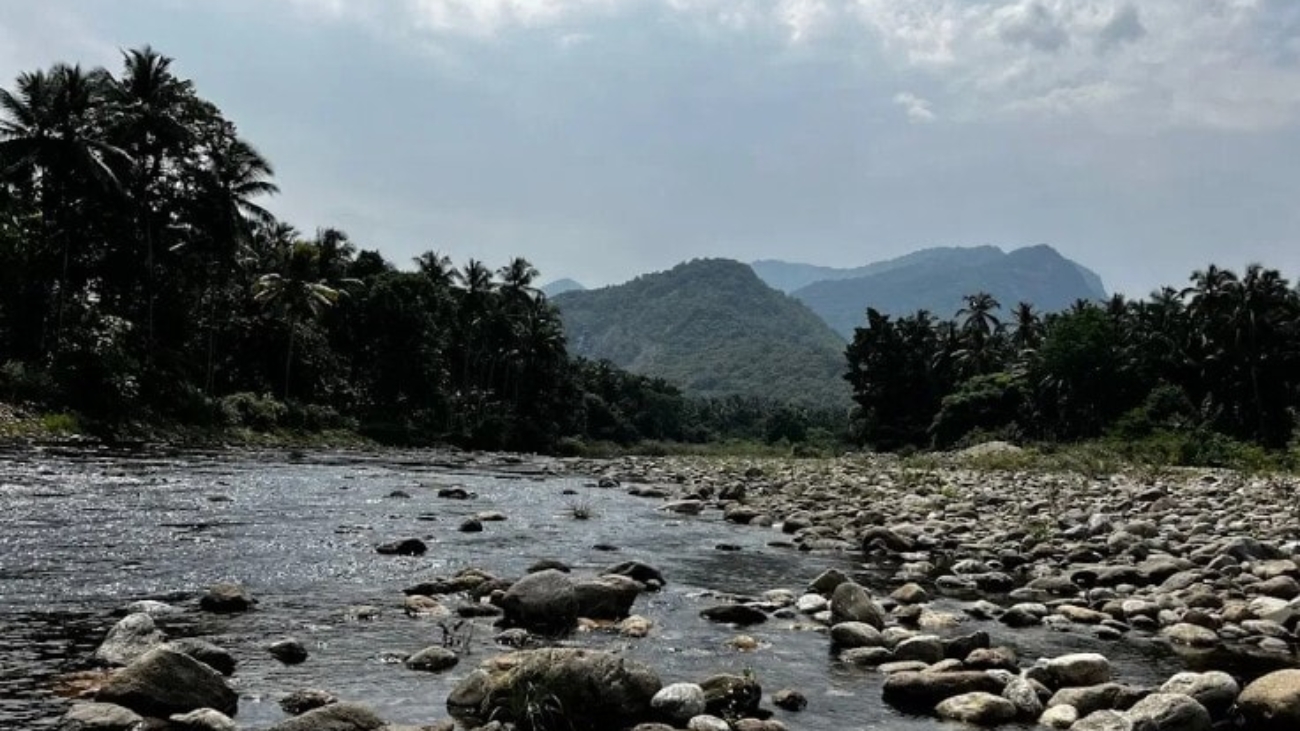
The Mannarkad–Attapadi belt represents one of Kerala’s most unique geographies, where forested mountains meet fragile human histories, and where development debates are inseparable from questions of identity, land, and ecological balance. As Kerala looks ahead to 2047, this region emerges as both a challenge and an opportunity: a landscape where the state’s commitment to inclusive growth, tribal empowerment, and green economic transformation will be tested and showcased. Vision 2047 for Mannarkad–Attapadi demands a deep rethinking of conventional development, replacing short-term schemes with long-horizon investments anchored in dignity, capability building, and ecological intelligence.
The first pillar of Mannarkad–Attapadi’s future lies in redefining tribal development beyond welfare. For decades the region has cycled between nutritional distress, land alienation, administrative fragmentation, and periodic attention during crises. Vision 2047 imagines a frontier where tribal communities are not seen as beneficiaries but as co-architects of a new governance model. This requires strengthening the autonomy of ooru systems, institutionalising community-led land mapping, and ensuring that resource rights become the backbone of planning. Tribal youth must be enabled to become teachers, health workers, forest guides, and digital coordinators within their own villages, turning local leadership into a force that reshapes institutions from within. By 2047, the aim is to build a model where a tribal child born in Attapadi has the same life chances as a child in Kochi, without losing cultural identity or the ecological wisdom inherited over generations.
Healthcare will play a central role in this transformation. Attapadi’s persistent maternal and infant health concerns point to structural deficits rather than isolated failures. Vision 2047 proposes a robust network of community-run health centres supported by AI-enabled diagnostics, nutritional surveillance systems, mobile maternal care units, and real-time data feedback loops connecting ASHA workers, doctors, and tribal families. The goal is not merely to eliminate chronic malnutrition but to create a preventive health ecosystem where early detection, culturally sensitive counselling, and continuous monitoring become routine. Traditional tribal medicinal knowledge, carefully documented and validated, can be integrated into wellness programmes, turning the region into a centre for ethnomedicine and herbal research.
Economic activity in the Mannarkad–Attapadi belt needs a fresh imagination grounded in sustainability. Agriculture must shift from subsistence and vulnerability to resilience and prosperity. High-altitude millet corridors, tribal-run spice estates, organic vegetable clusters, and orchard-based farming can provide stable incomes while preserving soil and biodiversity. Mannarkad’s foothills offer enormous potential for farm tourism, value-added processing, and forest-based enterprises. By 2047 the region could host community-owned agro-processing hubs for millets, honey, herbal oils, and forest produce, ensuring that value creation remains local. Micro-industries powered by renewable energy should evolve across the valley, with solar-powered cold storage facilities, e-commerce linkages, and digital marketplaces allowing small producers to reach national and international buyers.
Ecological regeneration will be the defining narrative of the region’s development journey. The Mannarkad–Attapadi belt has witnessed cycles of deforestation, soil erosion, and hydrological shifts that have intensified both drought and flood vulnerability. Vision 2047 calls for a systematic restoration of the Bhavani river basin through watershed rejuvenation, native tree replantation, check dams, and scientific grazing practices. Communities must be trained in biodiversity monitoring, climate adaptation, and sustainable forest livelihoods, ensuring that conservation becomes a shared social commitment. By 2047, Attapadi should be recognised as a model ecological district where human development advances in harmony with the regeneration of land and water.
Connectivity will reshape the region’s economic possibilities. Mannarkad sits strategically between Palakkad and Nilgiris, and its role as a gateway town must be strengthened through better roads, digital infrastructure, and logistics capabilities. Smart mobility systems, reliable public transport, and last-mile connectivity to every ooru will enable smoother movement of people, produce, and services. Enhanced internet access should allow children in remote hamlets to attend high-quality digital classes, entrepreneurs to access markets, and health workers to obtain specialist guidance in real time. By 2047, the region should be fully integrated into Kerala’s digital public infrastructure, ensuring that location no longer restricts opportunity.
Education requires a transformative approach rooted in local contexts. Instead of forcing children to adapt to a system foreign to their lived realities, Vision 2047 imagines schools that blend mainstream curriculum with tribal knowledge, outdoor learning, digital creativity, and vocational exposure. Residential schools must become centres of excellence where nutrition, mental health, and cultural identity are protected and celebrated. Tribal youth should receive specialised training in fields such as environmental science, social work, paramedical services, digital technologies, and community administration. This investment aims to create a generation of local professionals who remain rooted while having access to global skills.
Women’s empowerment forms another cornerstone of the future. Women in Attapadi often bear the burden of childcare, household management, and economic vulnerability. Vision 2047 proposes the creation of women-led cooperatives in areas such as millet value chains, handicrafts, herbal cosmetics, nutrition kitchens, and eco-tourism. Safe mobility, financial literacy, and leadership training should become foundational programmes across the belt. By expanding women’s participation in governance, markets, and education, the region can achieve a more balanced and equitable form of progress.
Tourism must evolve with caution and cultural sensitivity. The Mannarkad–Attapadi belt possesses immense natural beauty, but tourism should be slow, community-owned, and ecology-first. Carefully curated trails, tribal homestays, forest learning camps, and cultural experience centres can showcase the region’s identity without commodifying it. Revenue must flow directly to local communities, ensuring that tourism strengthens rather than disturbs the social and ecological fabric.
As Kerala approaches its centenary of independence, the Mannarkad–Attapadi belt stands as an emblem of what development must look like in the next twenty-five years: respectful, regenerative, technologically empowered, and deeply human. Vision 2047 for this region is not a list of schemes but a philosophy that seeks to correct historical injustices, restore ecological balance, and unlock human potential. It imagines a valley where every child is nourished, every youth is skilled, every woman is empowered, and every community is connected to the opportunities of the world without losing its roots. This is the future Kerala must build—one that treats Mannarkad and Attapadi not as margins but as mirrors reflecting the state’s moral and developmental commitments.
