
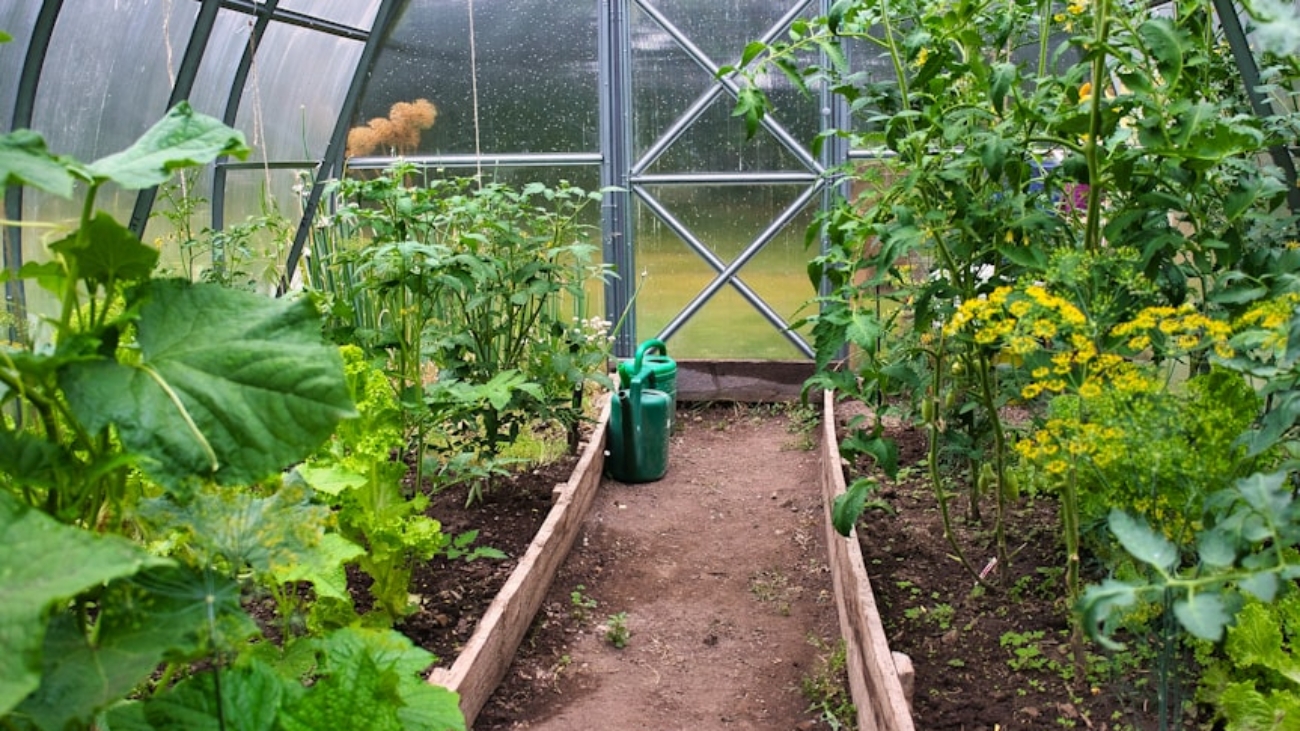
Kerala in 2047 must imagine its cities not merely as centres of consumption, but as vibrant landscapes of production, resilience, and ecological regeneration. In a state where land availability is shrinking, climate change is altering monsoon patterns, and food dependency on neighbouring states continues to rise, urban agriculture offers a new paradigm—one that transforms streets, rooftops, water bodies, and public institutions into productive food ecosystems. This new vision goes beyond simple household farming; it redefines Kerala’s relationship with food, cities, and community life.
The foundation of this vision is the idea of food sovereignty, where every city and town in Kerala grows a meaningful share of its own food. Instead of relying on long supply chains and vulnerable interstate transport networks, Kerala’s urban regions must be capable of sustaining themselves during crises—whether climate disasters, pandemics, price shocks, or logistical breakdowns. By 2047, the goal is for at least 25 percent of Kerala’s vegetables and greens to come from urban and peri-urban farms. This reduces reliance on imports and increases food freshness, nutrition, and affordability.
To achieve this, Kerala must redesign its urban environment into a layered farming ecosystem. At the base level, every home becomes a micro-farm. Rooftops, balconies, house walls, and courtyards can host soil-based gardens, vertical planters, hydroponic tubes, terracotta towers, and microgreen trays. Middle-income apartments—traditionally dismissed as lacking space—can become some of the most productive nodes, using shared terraces, community courtyards, and automated irrigation systems. By 2047, urban farming must become as normal as having a refrigerator or Wi-Fi connection.
The second layer consists of institutional farms. Schools, colleges, hospitals, police quarters, railway land, temple land, church campuses, mosque grounds, and factories together form thousands of acres of underutilized land. Vision 2047 imagines these as dedicated farming zones that produce vegetables, fruits, medicinal plants, and eggs for internal use or community distribution. Schools can use urban agriculture as a hands-on learning tool, teaching students about sustainability, biology, climate action, and nutrition. Hospitals can grow medicinal herbs for Ayurvedic and naturopathic use. Public institutions, instead of maintaining ornamental lawns, can cultivate edible landscapes—beautiful, ecological, and nourishing.
The third layer is community-driven agriculture. This is where Kerala can truly innovate. Every municipality and corporation can develop at least one large community farm managed by women’s groups, local residents, elderly citizens, and migrant workers. These farms become spaces of social cohesion and shared responsibility. They can produce bulk quantities of leafy greens, root vegetables, tubers, and fruits while generating income for local groups. Peri-urban fringes—on the edges of Kochi, Trivandrum, Kozhikode, Thrissur, Kollam, and Malappuram—can emerge as intensive food belts supplying city markets with fresh produce grown close to home.
Another vision for 2047 is blue urban agriculture, using Kerala’s ponds, canals, and backwaters to grow fish, prawns, edible aquatic plants, and duck populations in controlled ecological systems. Aquaponics—where fish and plants grow in a symbiotic cycle—can revolutionize food production in space-limited environments. Even apartment complexes can run small aquaponic tanks producing fish for home consumption. As water scarcity increases, such closed-loop systems offer reliable and sustainable solutions.
Technology will serve as the backbone of this revolution. Kerala’s youth, already highly literate and tech-savvy, can adopt AI-driven irrigation, automated nutrient systems, remote monitoring apps, and climate-resilient seed varieties. Agricultural startups can build rooftop-farm kits, plug-and-play hydroponics, low-cost vertical farms, farm management software, and energy-efficient grow lights designed for Kerala’s humidity and rainfall. Urban agriculture becomes a field of innovation—attracting investment, generating high-value employment, and inspiring green entrepreneurship.
Kerala’s organic waste—currently a challenge—becomes the engine of urban farming. Every ward can operate micro bio-composters, biogas plants, and fermentation pits. Household waste, dry leaves, vegetable scraps, and fish residues can be transformed into liquid nutrients and organic fertilizers. Waste becomes food, food becomes life—this cyclical metabolism becomes the signature of Kerala’s urban ecological renaissance.
Socially, urban agriculture brings a new cultural shift. Instead of seeing food as something purchased, Kerala’s citizens begin to see it as something grown, nurtured, and shared. Community fridges, neighbourhood vegetable kiosks, seed-sharing libraries, and collective harvest festivals can revive a sense of belonging. Elderly residents—often isolated in city life—find purpose in gardening. Children develop ecological awareness from a young age. Migrant workers integrate better into society through shared farming initiatives.
At the governance level, municipalities must become food-first planners. Urban agriculture must be included in master plans, zoning codes, building permits, and housing regulations. New buildings should allocate at least 10 percent of rooftop space for edible gardens. Local governments can provide subsidies, free seeds, training workshops, and compost units. “Urban Agriculture Officers” in every municipality can coordinate programmes, track progress, and promote innovation.
The environmental benefits are equally significant. Urban farms act as carbon sinks, reduce heat island effects, improve air quality, increase biodiversity, and make cities more climate-resilient. They reduce food miles, packaging waste, and refrigeration emissions. Stormwater runoff can be captured and used for irrigation, reducing flooding and erosion.
Urban agriculture also makes cities more beautiful—lush terraces, green walls, edible parks, and flowering vegetable beds create a soothing urban landscape rooted in nature rather than concrete.
By 2047, Kerala can become India’s first truly food-resilient state, where cities and towns contribute actively to food production, communities participate in shared farming, institutions lead environmental education, and technology enhances sustainability. In this vision, urban agriculture is not a hobby—it is a civic duty, an economic opportunity, a cultural revival, and a pillar of Kerala’s ecological future.
This new vision imagines a Kerala where food grows everywhere—on rooftops, in courtyards, beside canals, under flyovers, inside schools, and across digital farms. A Kerala where resilience is built into daily life, and where every citizen participates in the miracle of growing nourishment.
