
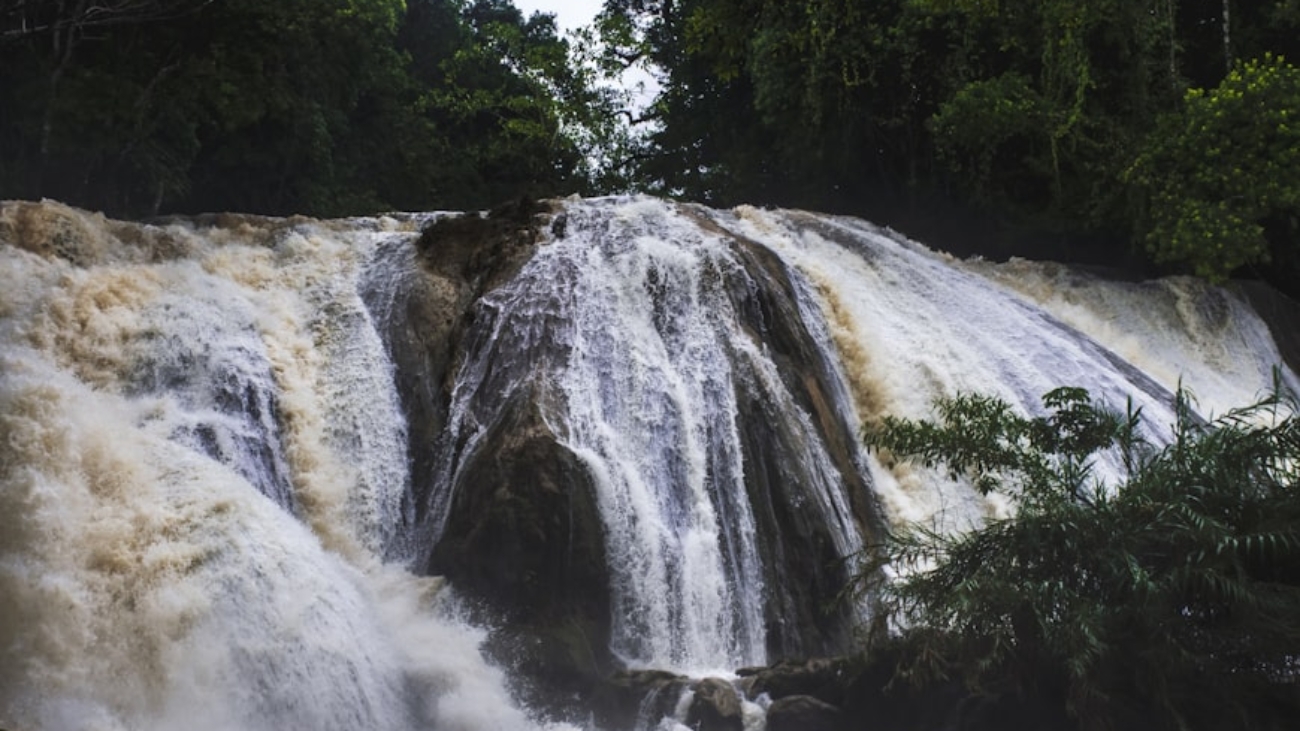
The Neyyar–Peppara belt on the southern edge of the Western Ghats holds a distinct place in Kerala’s ecological imagination. These sanctuaries, forming a continuous expanse of forest just kilometres away from Thiruvananthapuram city, represent one of the few places in India where a major capital lies adjacent to a biodiverse wilderness. Vision 2047 sees this landscape not merely as protected forest, but as a living laboratory of conservation, climate resilience, community partnerships, and guided ecological tourism. The next twenty-five years must redefine how human settlements and wildlife zones coexist, how urban growth respects fragile ecosystems, and how local communities become stewards of landscapes that sustain both biodiversity and water security.
At the heart of the Neyyar and Peppara region lies water. Peppara dam feeds the Karamana river, the lifeline of Thiruvananthapuram. Neyyar dam supports irrigation and household supply across a wide peri-urban belt. The hydrological security of the capital depends on the integrity of these forests. Vision 2047 places watershed protection as the central mission of the region, recognising that forest health directly determines river flow, groundwater recharge, and flood–drought patterns. A future-facing plan must prioritise native species restoration, strict control over invasive plants, scientific fire management, and systematic monitoring of rainfall, soil moisture, and stream behaviour. The aim is to create an ecologically stable zone where forests function as natural infrastructure, ensuring water availability even under climate stress.
Biodiversity conservation must expand into a more participatory and data-driven system. The Neyyar–Peppara belt shelters elephants, gaurs, tigers, leopards, lion-tailed macaques, cobras, hornbills, and dozens of endemic species. Yet, as climate shifts and urban pressure intensify, traditional conservation methods alone will not suffice. Vision 2047 proposes a real-time biodiversity observatory linking camera traps, acoustic sensors, satellite imagery, and community reporting through mobile platforms. Such a living database would track animal movement, detect human intrusion, map habitat changes, and analyse long-term ecological patterns. By 2047, conservation must become anticipatory rather than reactive, blending scientific research with ground-level vigilance.
Human–wildlife coexistence forms a complex challenge in this region. Fringe settlements around Kallikkad, Aryanad, Vithura, and Kottoor have expanded, leading to encounters with elephants, boars, and leopards. Vision 2047 imagines a coexistence corridor model anchored in barrier design, compensation reforms, real-time alert systems, and livelihood diversification. Geofencing tools can warn communities of animal movement, while green fencing, bee fencing, and natural barriers can protect farmlands. Community responders trained in early intervention should work alongside forest officials to reduce conflict. Compensation must shift from delayed payouts to immediate digital transfers, restoring trust between people and the conservation system. The long-term aim is to align community welfare with ecological stability so that living near a sanctuary becomes a source of pride, not anxiety.
Local communities deserve a central role in shaping the region’s ecological future. Settlements around Neyyar and Peppara include tribal groups such as the Kani community, whose knowledge of forests, medicinal plants, and landscape behaviour is unmatched. Vision 2047 proposes a framework where traditional ecological knowledge is formally recognised and integrated into forest management. Kani youth can be trained as biodiversity monitors, nature guides, restoration workers, drone operators, and researchers. Community-run nurseries can propagate native species, while medicinal plant reserves can support both conservation and income generation. The aim is to replace extractive development with culturally rooted livelihoods that strengthen both identity and ecosystem resilience.
Tourism must evolve with exceptional restraint. Neyyar already attracts visitors for boating, trekking, and the lion safari park, while Peppara remains quieter and more protected. Vision 2047 shifts tourism from an entertainment mindset to an ecological education model. Sanctuaries must carry strict visitor limits, guided-only access, and zoned experiences that minimise disturbance. Interpretive centres near entry points can teach visitors about watershed functions, wildlife behaviour, and conservation ethics. Kani-guided forest walks, river ecology tours, birding routes, and night sky experiences can deepen visitors’ connection with nature while ensuring that tourist presence enhances rather than harms the place. All revenue generated should be transparently shared with local communities, reinforcing their role as custodians of the land.
Urban planning around the sanctuaries will determine whether conservation efforts succeed or collapse. Thiruvananthapuram is expanding eastward, and without careful planning the fringe regions may face unregulated real estate growth, quarrying, and waste dumping—threats that could undermine decades of conservation. Vision 2047 calls for a Sanctuary Protection Zone that clearly demarcates land-use restrictions, prohibits quarrying, controls construction density, and enforces green buffers around forest edges. Waste management must shift to decentralised systems to prevent littering of rivers and forest fringes. Urban policies must treat these sanctuaries as essential public assets on par with airports and hospitals, because their ecological services are irreplaceable.
Education and research can turn the Neyyar–Peppara belt into a global centre of ecological innovation. Partnerships with universities, research institutes, and international conservation networks can support long-term studies on climate adaptation, species migration, river systems, pollinators, and carbon sequestration. By 2047, the region could host a Southern Ghats Ecology Institute dedicated to mountain ecosystems, indigenous knowledge, wildlife technology, and urban–forest interfaces. Students, scientists, and local youth can work together to generate knowledge that informs policy across Kerala and India.
Climate change will shape the fate of this landscape more than any other force. Monsoon irregularity, rising temperatures, and increased forest fire risk can disrupt both ecosystems and water security. Vision 2047 places climate resilience at the centre of sanctuary management through microclimate monitoring, controlled burns, wetland restoration, and assisted regeneration of vulnerable species. Forests must be nurtured to store more carbon, conserve more water, and support more life.
By 2047, the Neyyar–Peppara region should stand as a symbol of what Kerala can achieve when ecological wisdom, community partnership, and scientific innovation work together. These sanctuaries can become living classrooms for sustainable development, proving that conservation is not opposed to progress but is, in fact, the foundation upon which all future prosperity must rest. In a world facing ecological collapse, Kerala’s southern forests can shine as an example: a protected landscape that feeds a city, safeguards biodiversity, empowers communities, and demonstrates how humans and wilderness can share space with respect and harmony.
