
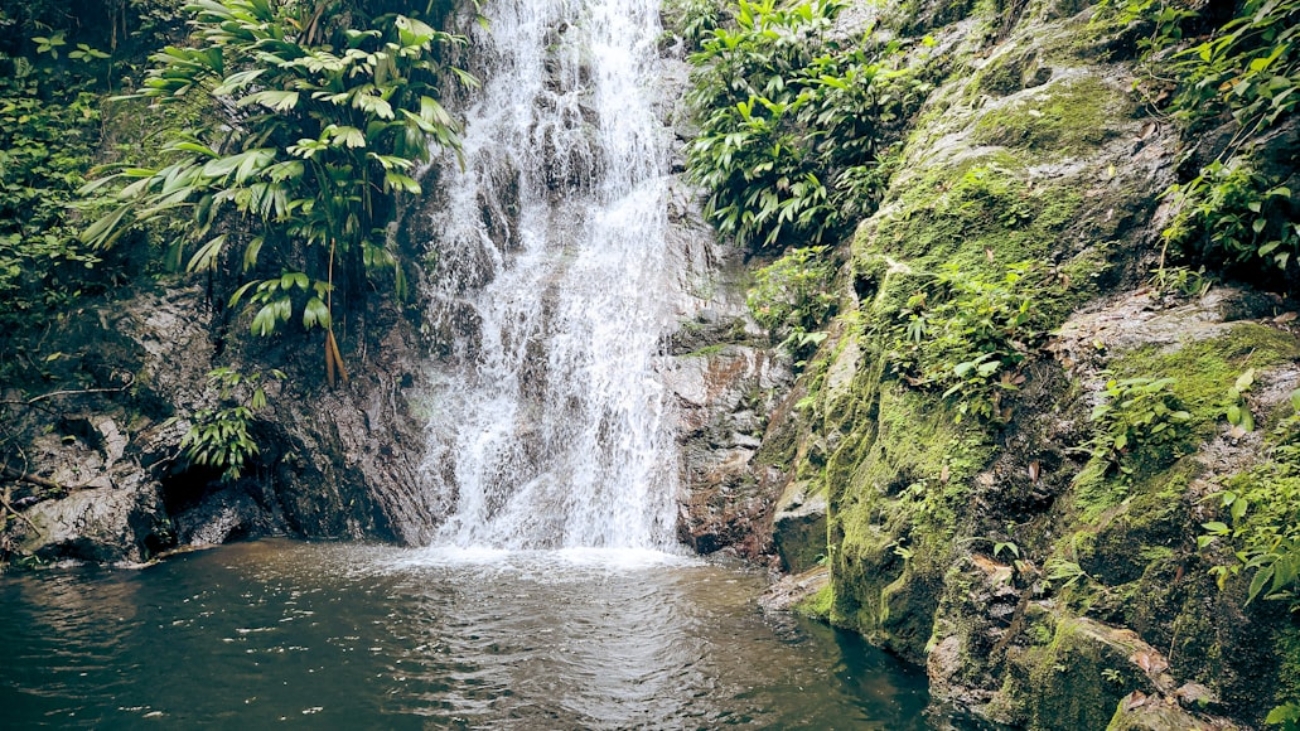
The Sabarimala–Konni–Periyar belt forms one of Kerala’s most spiritually powerful and ecologically sensitive landscapes. It is a corridor where millions undertake pilgrimage each year, where elephants and tigers move through ancient forest routes, and where rivers such as Pamba and Periyar originate their life-giving journeys. As Kerala looks toward 2047, this region becomes a test case for balancing faith, conservation, mobility, and livelihoods. Vision 2047 imagines a future in which Sabarimala’s spiritual energy coexists harmoniously with the ecological pulse of Konni and the wilderness strength of Periyar, forming a unified sacred–ecological arc that the world can look to as a model of responsible coexistence.
Sabarimala’s significance cannot be explained only through numbers, though the numbers are extraordinary. During peak season, the region receives one of the highest concentrations of pilgrims anywhere in the world. This flow brings economic vitality but also immense ecological stress. Vision 2047 calls for a complete rethinking of pilgrimage management. The aim is to create the world’s most environmentally responsible pilgrimage destination. Visitor numbers must be regulated through season-based digital passes, ensuring safety and ecological stability. Waste management must shift to a zero-waste model supported by sensor-based collection, compulsory segregation, green packaging, and on-site composting. Energy for the pilgrimage centres must come from solar microgrids, biogas plants, and hydro-supported charging stations. Sabarimala should evolve into a sanctuary of silence and sustainability, where the spiritual journey is enhanced, not disrupted, by ecological discipline.
The Pamba river, the spiritual lifeline of the pilgrimage, requires urgent attention. By 2047, the river must be restored to its pristine condition through riparian zone protection, wetland revival, natural wastewater treatment, and strict enforcement against pollution. River health indicators should be displayed in real time during the pilgrimage season, creating transparency and accountability. The river should not be seen merely as a ritual site but as a living ecological system that nourishes both humans and wildlife. Vision 2047 imagines Pamba as a symbol of Kerala’s commitment to water conservation and ecological ethics.
Konni reserve forest, located at the foothills of the Western Ghats, plays a crucial role in this tri-region vision. Known for its elephant rehabilitation centre, dense forests, and trekking paths, Konni serves as both a cultural and ecological bridge between Sabarimala and Periyar. By 2047, Konni must evolve into India’s leading centre for human–elephant coexistence research. Elephant rehabilitation should expand into a science-based programme integrating behavioural studies, forest release planning, veterinary innovation, and GPS-based monitoring. Community outreach is essential, helping farmers adopt elephant-safe agricultural practices, early-warning systems, and compensation mechanisms. Konni’s forests must be restored with native species to strengthen wildlife corridors that connect with Periyar. This is vital for genetic exchange among elephant and tiger populations.
Periyar Wildlife Sanctuary, one of the most prized tiger reserves in India, represents the ecological heart of this vision. Its forests regulate water flow into major river systems, support rare species, and host a globally recognised community partnership model. Vision 2047 seeks to deepen this approach. Community members—particularly from tribal settlements—should receive expanded roles as forest guards, wildlife trackers, eco-guides, and restoration workers. Advanced technologies such as acoustic sensors, high-resolution camera grids, AI-based animal movement prediction, and satellite-linked fire detection systems must be integrated into daily conservation practice. A Periyar Research and Learning Centre can emerge as a global hub for studying climate resilience, human–wildlife interaction, watershed dynamics, and rainforest regeneration. By 2047, Periyar must be recognised not just as a sanctuary but as a living scientific institution.
Tourism across the Sabarimala–Konni–Periyar belt requires sensitive reorientation. Sabarimala is primarily a pilgrimage destination, but its access routes can include quiet buffer zones for nature walks, spiritual ecology centres, and heritage interpretation. Konni can strengthen experiential eco-tourism through canopy walks, elephant ecology trails, forest therapy zones, and community-led nature camps. Periyar can refine its existing eco-tourism model by limiting visitor numbers even further, making each experience more personalised and conservation-oriented. The goal is not mass tourism but meaningful tourism—experiences that generate high value with minimal ecological disturbance, enabling the region to thrive economically without compromising its forests.
Infrastructure development must be designed with environmental foresight. Roads leading to Sabarimala must be engineered with landslide-resistant technology, proper drainage, and wildlife underpasses. Parking areas should be decentralised to reduce congestion and emissions. Shuttle-based mobility using electric buses must be promoted. Konni and Periyar should follow a similar mobility ethic, restricting private vehicles inside forest zones and replacing them with electric safari jeeps, bicycles, and pedestrian pathways. High-speed internet connectivity is essential for safety, digital ticketing, and research, but it must be achieved with minimal tower footprint through shared infrastructure and fibre-backed solutions.
Local communities are central to the success of Vision 2047. In and around Sabarimala, livelihoods depend on seasonal pilgrimage activity. By diversifying income sources—such as eco-craft markets, Ayurvedic wellness, forest honey production, and heritage food enterprises—communities can earn steady income outside the limited pilgrimage season. In Konni, tribal and forest-fringe communities must be supported through land rights regularisation, agricultural assistance, and access to education and skills that align with both tradition and modernity. In Periyar, community-based eco-tourism must continue to expand, ensuring that residents benefit directly from biodiversity protection. Vision 2047 aims for a future in which communities become champions of conservation because their prosperity is tied to ecological integrity.
Climate resilience is an unavoidable priority. The Sabarimala–Konni–Periyar region is vulnerable to landslides, extreme rainfall, and forest fires. By 2047, a regional climate resilience network must operate across these three zones, integrating early-warning systems, micro-watershed restoration, climate-adaptive forest management, and risk-mitigation infrastructure. Local youth should be trained as first responders for forest fire control, rescue operations, and disaster planning.
By 2047, this sacred–ecological arc should represent Kerala’s highest standards of sustainability, conservation, and cultural harmony. A pilgrim stepping into Sabarimala should feel the sanctity of a forest preserved. A visitor entering Konni should sense the intelligence behind its human–elephant coexistence. A researcher arriving at Periyar should witness a rainforest protected through community partnership and scientific precision. The Sabarimala–Konni–Periyar belt can become one of the world’s most inspiring landscapes, where spirituality, ecology, science, and community life are woven into a single, balanced future—one in which Kerala leads India in demonstrating how to honour both the divine and the natural with equal devotion.
