
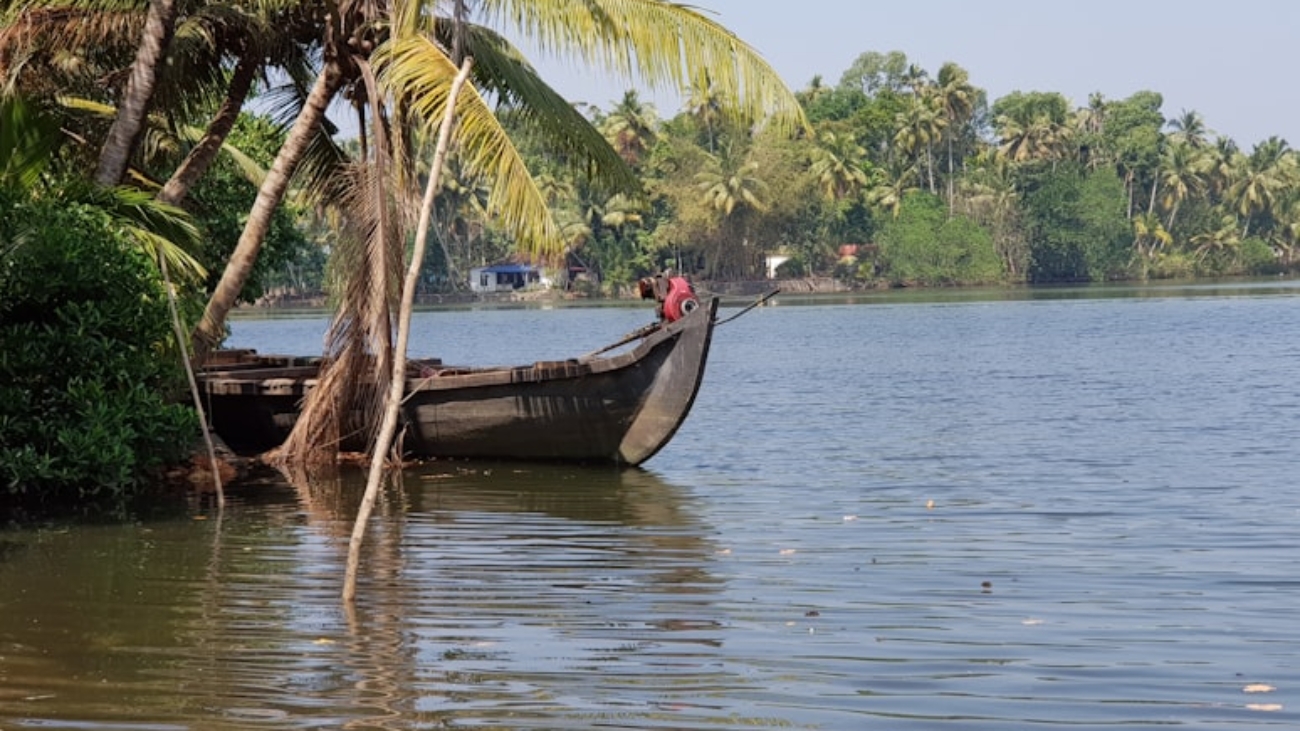
By 2047, Kerala’s tourism sector must move beyond the traditional paradigms of sightseeing and hospitality to embrace ecological responsibility, cultural preservation, and strong community-rooted development. In the southern districts, the freshwater expanse of Shashtamkotta, the fragile island ecosystem of Munroe Thuruthu, and the vast backwaters of Ashtamudi collectively form one of India’s most delicate yet promising tourism corridors. A unified tourism plan for these regions aims to transform them into a model of regenerative tourism—where growth enhances the environment instead of degrading it, and where local communities benefit from every visitor who arrives.
Shashtamkotta, Kerala’s largest freshwater lake, holds immense ecological and cultural significance. Its proximity to major towns and its role as a drinking water source make it crucial to approach tourism with restraint and sensitivity. By 2047, Shashtamkotta can evolve into a freshwater eco-tourism sanctuary centred on conservation, learning, and slow travel. The first step is the scientific restoration of the lake’s edges through wetland protection, reedbed regeneration, and bio-shoreline methods that naturally purify the water. Tourism infrastructure, instead of large resorts, must prioritise small-scale nature lodges, birdwatching towers, silent boating zones, and indigenous tree gardens. Interpretive trails designed around the lake’s hydrology, biodiversity, and mythological associations with the Sastha temple will offer visitors a deeper and more meaningful engagement with the landscape.
Digital systems can support ecological monitoring, allowing visitors to understand water quality dynamics and the importance of freshwater ecosystems in sustaining urban life. Community-led cooperatives can manage homestays, local food experiences, kayaking rentals, and guided nature walks. Such cooperatives ensure that income circulates locally rather than being captured by external corporations. The long-term goal is to position Shashtamkotta as India’s leading freshwater conservation tourism site, where travellers learn not only to appreciate natural beauty but also to understand the science and stewardship behind its preservation.
A short journey downstream brings visitors to the fragile and enchanting Munroe Islands, an archipelago shaped by centuries of riverine flow and tidal forces. Climate change has made Munroe symbolic of both Kerala’s vulnerability and resilience. By 2047, the island must be transformed into a global model for climate-adaptive living and regenerative tourism. The development plan must start with stabilising the sinking zones using nature-based solutions—mangrove belts, controlled sediment deposition, and canal rejuvenation. These ecological interventions will protect both residents and tourism infrastructure, ensuring the island’s long-term survival.
Tourism on Munroe should focus on immersive, low-impact experiences rather than mass visitation. Canoe tours through narrow canals, sunrise and sunset trails, farm visits, village life experiences, and traditional fishing demonstrations can form the core offerings. Electrified boats, solar-powered homestays, and rainwater harvesting systems can make Munroe Kerala’s first carbon-neutral tourism island. A dedicated research and interpretation centre can document the island’s geological changes, offering visitors a scientific understanding of land subsidence and river dynamics. This centre can collaborate with universities and global institutions, making Munroe a living classroom for climate adaptation. Local families, whose livelihoods are deeply tied to the island’s waterways, should be the primary beneficiaries of tourism revenue through cooperatives, training programmes, and year-round economic opportunities.
Ashtamudi Lake, with its sprawling backwater expanse and long-standing reputation as one of Kerala’s most picturesque destinations, serves as the gateway to Kollam’s tourism identity. By 2047, its development must balance the comfort expected by higher-spending travellers with the ecological sensitivity required to protect such a vast wetland ecosystem. Ashtamudi can be developed as a blue-economy anchor where tourism, inland fisheries, water transport, and hospitality are integrated under a sustainable framework. The vision includes world-class waterfront parks, designated zones for houseboats, silent electric boat circuits, and canals restored for smooth waterflow. Strict ecological zoning must separate conservation areas from tourism hotspots, ensuring wetlands remain healthy and oxygen-rich.
Houseboat tourism, often criticised for pollution, must undergo a complete transformation by 2047. All vessels operating on Ashtamudi should shift to hybrid or fully electric systems, with mandatory onboard waste recycling and real-time monitoring. These technological upgrades will reduce environmental impact while improving guest experiences. The lake’s villages—Thevally, Kavanad, and the intricate cluster of canals—can develop cultural routes offering coir-making demonstrations, authentic coastal cuisine, and traditional performing arts. High-value wellness resorts, Ayurveda centres, and creative retreats can be positioned in selected zones without disturbing ecological balance.
A unified digital platform can link Shashtamkotta, Munroe, and Ashtamudi into a single tourism narrative: a journey from freshwater to estuary to backwater. Travellers can choose themed circuits—birdlife trails, river-to-lake ecological journeys, heritage canoe routes, or culture-based homestay trails. Integrated mobility is essential: electric ferries, hop-on hop-off backwater routes, and seamless last-mile connections can make travel effortless while reducing emissions.
Community ownership remains the foundational principle. Local youth can be trained as naturalists, storytellers, boat pilots, and cultural ambassadors. Self-help groups and women’s collectives can manage food courts, marketplaces, and handicraft hubs. A tourism dividend fund can allocate a small percentage of all tourism revenue to habitat restoration projects, ensuring that economic growth continually replenishes ecological wealth.
By 2047, Shashtamkotta, Munroe Islands, and Ashtamudi Lake can stand as Kerala’s finest demonstration of regenerative tourism—where each visitor contributes to restoration, where communities thrive without displacement, and where the region’s waters remain clean, healthy, and full of life. This tri-lake tourism vision can redefine Kerala’s global identity, positioning it not merely as a scenic destination but as a pioneering landscape where ecology, culture, and prosperity progress together.
