
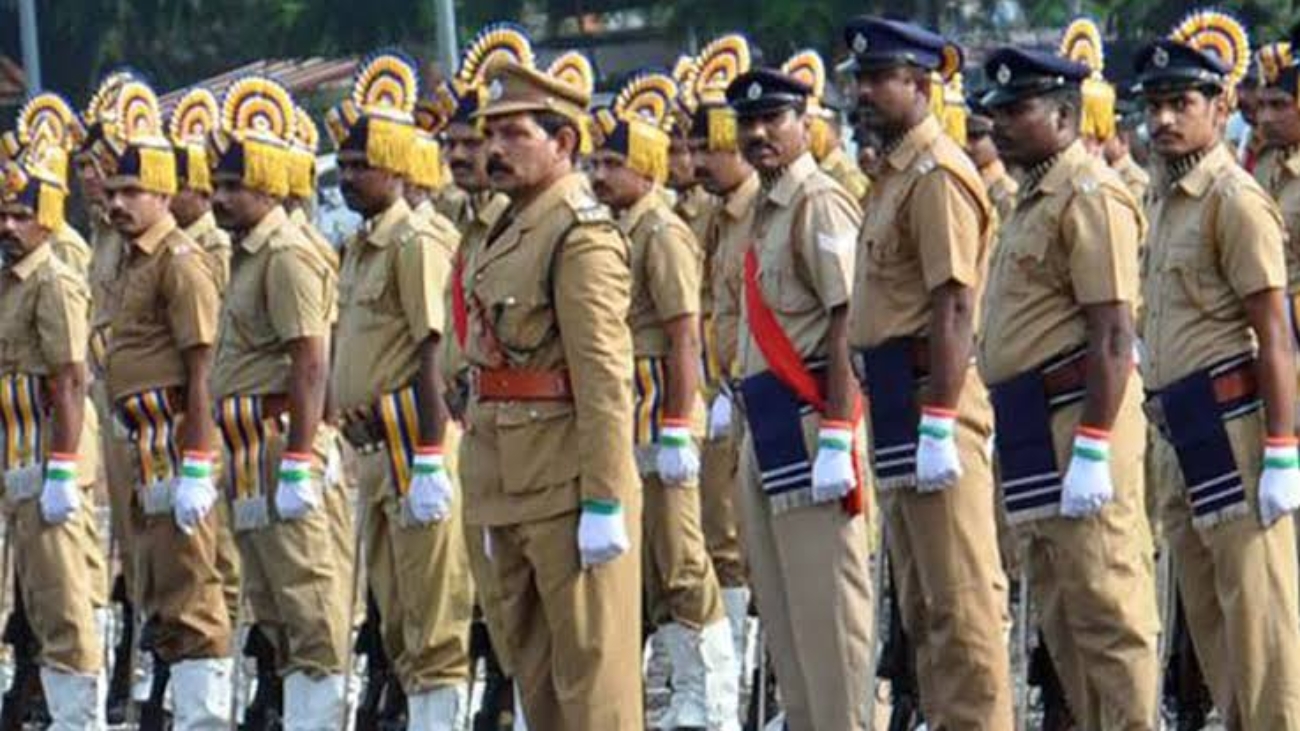
By 2047, Kerala will be a far more complex society than it is today—denser, older, more urban, more digital, and more globally connected. The nature of crime will evolve, the expectations of citizens will increase, and the role of policing will shift from reactive enforcement to anticipatory governance. The Kerala Police, already one of India’s more professional and disciplined forces, must undergo a deep structural transformation to remain effective, trusted, and future-ready. Kerala Vision 2047 requires a policing model built on intelligence, technology, community partnership, transparency, and human-centred service.
The first priority is the transition from traditional policing to intelligence-led policing. Crime today does not follow the patterns of the past. Cybercrime, financial fraud, digital harassment, drug trafficking, online radicalisation, synthetic narcotics, and interstate crime networks are becoming dominant challenges. By 2047, Kerala Police must operate a real-time intelligence grid that integrates data from CCTV networks, cyber cells, financial monitoring systems, vehicle tracking, and community reports. Predictive policing tools must help anticipate hotspots, identify behavioural red flags, and analyse criminal networks before crimes occur. Intelligence-led policing is not about surveillance alone—it is about precision, prevention, and agility.
A second core agenda is modernising the police workforce. Kerala Police officers must be trained not only in physical policing but also in cyber forensics, digital law, mental health response, negotiation, crisis communication, environmental crime, and financial fraud investigation. Specialised cadres must evolve for cybercrime, narcotics, gender-based violence, wildlife protection, digital intelligence, and economic offences. Training academies must be upgraded with simulators, digital classrooms, scenario-based training, and international exchange programmes. By 2047, the workforce must be technologically literate, emotionally intelligent, and ethically grounded.
Third, Kerala must create a citizen-friendly policing culture. Public trust is the foundation of effective law enforcement. Police stations must become service centres rather than intimidating spaces. Complaint registration must be easy, transparent, and trackable. Victims must be treated with dignity, especially women, children, migrant workers, elderly citizens, and marginalised communities. Community policing must move from token gestures to structured partnerships—neighbourhood committees, youth interaction platforms, elderly support systems, and school outreach programmes. When citizens trust the police, they cooperate, report crime early, and participate in maintaining harmony.
Fourth, Kerala must build a world-class cyber policing framework. Cybercrime today includes identity theft, online blackmail, crypto fraud, phishing, dark web markets, and digital grooming of minors. By 2047, cyber policing must be decentralised, with cyber cells in every district equipped with advanced forensic labs, ethical hackers, digital evidence tools, and officers trained in global cyber legislation. Partnerships with tech companies, universities, and ethical hacker communities can strengthen capabilities. A cyber emergency helpline, available 24/7, must be integrated with rapid digital response teams. Cybercrime must be treated as seriously as physical crime.
A fifth strategic priority is strengthening law enforcement related to narcotics. Kerala faces a rising threat from synthetic drugs, interstate smuggling networks, and organised peddling groups using encrypted platforms. The police must expand undercover units, strengthen narcotics intelligence, adopt data-driven hotspot mapping, and collaborate with excise, education departments, and community organisations. Rehabilitation and counselling must go hand in hand with enforcement, especially for first-time youth offenders. By 2047, Kerala must strive to become one of India’s safest states with regard to drug abuse.
Sixth, policing in Kerala must reflect the realities of gender and social diversity. Crimes against women, domestic violence, online abuse, stalking, and harassment require sensitive handling. Women-led police desks, gender-sensitisation training, fast investigation units, and victim-support services must be strengthened. The police must also be trained to handle crimes against transgender individuals, sexual minorities, migrant labourers, tribal communities, and the elderly. Inclusion must become a core value.
Seventh, Kerala’s police infrastructure must undergo a complete upgrade. Stations must be redesigned to be more accessible and professional. Vehicles must be modern and well-maintained. Rural outposts must receive better connectivity, digital equipment, and mobility support. Smart city surveillance networks must be expanded to tier-2 towns. Coastal police stations must be strengthened with boats, radars, and marine communication systems. Hill districts must receive terrain-appropriate mobility solutions, including drones for search operations. Infrastructure reflects seriousness; modern infrastructure shapes modern policing.
Eighth, Kerala Police must adopt a zero-tolerance attitude toward custodial misconduct, corruption, and abuse of power. Internal accountability mechanisms must be transparent and swift. Body cameras, CCTV coverage in all station rooms, digital documentation of arrests, and independent oversight bodies can protect both citizens and honest officers. Ethical policing builds respect and legitimacy.
Ninth, environmental and climate-related policing must be strengthened. Illegal quarrying, sand mining, wildlife trafficking, and destruction of river systems require scientific policing. As climate disruptions increase, police must be central to disaster response—evacuation coordination, rescue operations, traffic control, and communication management. By 2047, climate resilience must be integrated into every layer of policing.
Tenth, Kerala must invest in mental health support for police officers. Policing is emotionally demanding, leading to stress, burnout, and trauma. Counselling cells, wellness programmes, rotational duty systems, and psychological first aid training must become the norm. A mentally strong police force is a more effective police force.
Eleventh, community policing must evolve into community partnership. The police must work with schools, residents’ associations, religious groups, NGOs, shopkeepers, fishermen, youth clubs, and tech communities to detect early signs of conflict, criminal activity, or radicalisation. Community-based intelligence gathering creates safer neighbourhoods.
Twelfth, Kerala Police must harness automation and AI. Automated number plate recognition cameras, AI-based video analytics, drone surveillance for crowd control, digital documentation of crime scenes, and e-FIR systems can improve efficiency. But technology must be used ethically, with safeguards for privacy, transparency, and legal compliance.
Thirteenth, mobility and traffic policing must be strengthened. Kerala’s road density, chaotic driving culture, increasing vehicles, and vulnerability to accidents require scientific enforcement. Smart traffic lights, AI-monitored intersections, automated challan systems, and better highway patrol networks must be deployed. Road safety must become a policing priority equal to crime prevention.
Finally, leadership and organisational culture must evolve. Kerala Police must cultivate leaders who are visionary, empathetic, disciplined, and capable of navigating a rapidly changing society. A 2047-ready police force must embrace innovation, humility, professionalism, and community trust.
By 2047, a transformed Kerala Police can become:
A high-tech crime-prevention organisation
A trusted partner in community well-being
A leader in cyber and financial crime investigation
A protector of vulnerable populations
A backbone of climate and disaster resilience
A model of ethical, transparent policing
A force that combines compassion with discipline
The future of Kerala’s safety depends not only on how police enforce the law, but on how they evolve with society. Kerala Vision 2047 imagines a police force that protects with intelligence, serves with dignity, and adapts with courage—a force that reflects the best values of a modern, humane, and progressive Kerala.
