
The Peechi–Idamalayar–Nelliampathy–Silent Valley belt forms one of the most ecologically critical stretches of the Western Ghats. This arc, spanning from central Kerala to the Palakkad–Nilgiri landscape, contains watersheds that sustain millions, forests that shelter rare and endemic life, and landscapes that define Kerala’s environmental identity. As the state approaches 2047, this region emerges as a blueprint for how Kerala can protect biodiversity, secure water, enable scientific research, and create green livelihoods while resisting destructive development pressures. Vision 2047 for this sanctuary arc aims to weave together conservation excellence, climate resilience, and community-centred development into a single, coherent strategy.
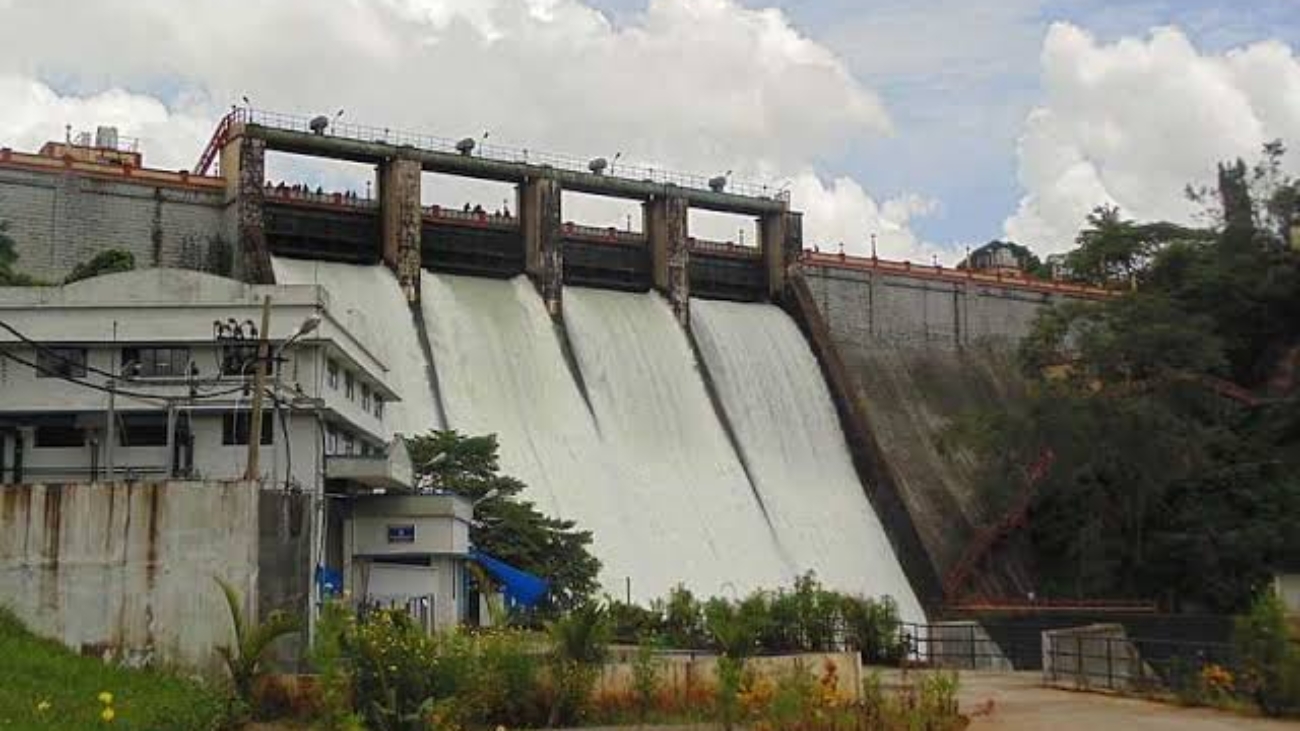
Peechi Wildlife Sanctuary, located near Thrissur, is both a biodiversity hotspot and a vital water reservoir. Its role as a cradle of hydrological security makes it indispensable for Kerala’s central districts. Vision 2047 begins with restoring Peechi’s catchment areas through large-scale native species replantation, micro-watershed conservation, and strict zoning against unregulated construction. Water security must become a measurable outcome, with real-time monitoring of rainfall, streamflow, and soil health displayed publicly. Peechi can evolve into a demonstration site for nationally significant watershed management, showing how forests and water systems can be protected amid urban expansion.
Idamalayar Wildlife Sanctuary, nestled around one of Kerala’s major hydropower reservoirs, represents another pillar of the region’s ecological architecture. The challenges here revolve around balancing hydropower demands, tribal livelihoods, and wildlife movements. Vision 2047 calls for an integrated river–forest management model in which reservoir operations consider fish migration, shoreline vegetation, and seasonal animal patterns. Tribal communities living on the forest fringes must be involved as partners in monitoring biodiversity, reporting illegal activities, and guiding eco-tourism. Elephant corridors connecting Idamalayar with Parambikulam and Malayattoor must be secured to prevent conflict and ensure genetic exchange. By 2047, Idamalayar should evolve into a model for how energy infrastructure and biodiversity conservation can coexist without compromise.
Nelliampathy Wildlife Sanctuary, with its dramatic mountain slopes, shola forests, and extensive cardamom and tea estates, carries unique ecological and socio-economic significance. Estate labour, tribal settlements, tourism, and agriculture all intersect here. Vision 2047 envisions a rebalanced landscape where estates adopt strict eco-certifications, chemical usage is reduced, and natural corridors are restored between fragmented habitats. Sustainable agriculture must become a core pillar, shifting from heavy chemical dependency to regenerative farming that protects soil and water. Tourism in Nelliampathy should evolve into an immersive, low-impact model with guided ridge treks, canopy walks, heritage plantation trails, and geo-interpretation centres. By 2047, Nelliampathy can become a premier eco-tourism mountain zone that distributes benefits widely while ensuring minimal ecological footprint.
Silent Valley National Park stands as the crown jewel of the region—a global symbol of environmental activism and rainforest protection. As one of India’s last undisturbed tracts of tropical evergreen forest, Silent Valley carries a responsibility far beyond its boundaries. Vision 2047 strengthens this responsibility through scientific conservation, climate research, and strict protection. The park must remain inviolate, with no new tourism zones carved into its core. Instead, research infrastructure outside the core zone can support long-term ecological studies on species adaptation, canopy dynamics, microclimate regulation, and carbon sequestration. Community-based conservation in buffer zones must be strengthened through livelihood diversification, non-timber forest produce cooperatives, and education programmes that nurture ecological pride among youth. Silent Valley by 2047 should stand as one of the world’s best conserved rainforests, a living reference system for global climate science.
Across this entire sanctuary arc, wildlife corridors form a critical lifeline. Elephants, tigers, leopards, civets, and countless other species rely on uninterrupted movement between these forests. Vision 2047 proposes a Western Ghats Corridor Authority responsible for mapping, monitoring, and restoring wildlife routes from Peechi to Idamalayar, from Nelliampathy to Parambikulam, and from Silent Valley to Nilgiri Biosphere landscapes. Roads must incorporate underpasses and overpasses, quarries must be regulated or closed, and fragmented habitats must be reconnected through rewilding. The goal is to achieve a continuous ecological network where animals can move safely across large landscapes, reducing conflict and ensuring evolutionary resilience.
Scientific research must become a defining feature of the region’s future. Peechi’s Kerala Forest Research Institute can expand into a global centre for tropical ecology, forest biotechnology, and conservation policy. A satellite research campus near Silent Valley can support long-term biodiversity monitoring, phenology mapping, and climate modelling. Nelliampathy can host field labs for studying agro-ecology transitions, pollinator dynamics, and mountain hydrology. Idamalayar can become a testing ground for hydrology–biodiversity interactions. Vision 2047 imagines this entire belt as a “living laboratory,” attracting global scholars while generating actionable insights for Kerala’s conservation challenges.
Community livelihoods must be woven transparently into the conservation framework. Forest-fringe communities should be supported through eco-enterprises such as spice processing, forest honey, bamboo crafts, medicinal plant cultivation, and eco-guiding. Youth should be trained in biodiversity documentation, drone mapping, forest fire management, and climate resilience. Women’s collectives can run nature interpretation centres, produce eco-friendly goods, and manage community-run forest lodges. Vision 2047 sees communities as guardians of these forests, not outsiders to conservation.
Tourism across the sanctuary arc must follow a carefully calibrated model. Silent Valley will remain minimal-access; Nelliampathy will offer controlled mountain experiences; Idamalayar will provide river–and–forest eco-tourism; Peechi will anchor education and research tourism. All tourism must adopt carrying capacity norms, booking management, and low-impact design using renewable energy and zero-plastic protocols. Instead of mass tourism, the region should pursue high-value, low-volume eco-tourism that enriches visitors while minimising harm.
Climate resilience will anchor the region’s long-term survival. These mountains and forests serve as Kerala’s climate buffers—regulating rainfall, moderating temperature, and storing carbon. Vision 2047 introduces a climate observatory network across the belt, monitoring fire risk, microclimate shifts, and rainfall anomalies. Early-warning systems for landslides, floods, and drought impacts must be integrated across districts. Rewilding degraded slopes, restoring grasslands, and regenerating shola patches will help maintain climate resilience.
By 2047, the Peechi–Idamalayar–Nelliampathy–Silent Valley arc can emerge as one of the world’s most exemplary conservation zones—an interconnected mosaic of rainforests, river basins, mountain farms, and community landscapes united by a shared ecological destiny. This region will prove that Kerala’s wealth lies not in concrete expansion but in forests that stand tall, rivers that run clean, and communities that thrive alongside nature. Vision 2047 calls upon the state to protect this arc with unwavering commitment, ensuring that the forests remain alive, the wildlife moves freely, and the people living around them prosper in harmony with the land.
