
Agriculture in Kerala must undergo a profound shift by 2047—moving from small, fragmented, low-value farming into a high-productivity, climate-resilient, technology-enabled system that ensures stable incomes for rural families. In the districts around Adoor, Pathanapuram, and Kottarakkara, agriculture remains woven into the social and economic fabric of everyday life. These regions possess fertile soil, rich rainfall, a tradition of mixed cropping, and a strong presence of rubber, spices, tubers, rice, and homestead agriculture. Yet, farmers face declining prices, erratic weather, labour shortages, and shrinking landholdings. A future-ready agricultural plan must therefore combine scientific innovation, cooperative strength, and deep community participation to secure prosperity for the next generation.
Adoor, with its strong presence of rubber plantations and a rising number of diversified crops, can become a model for value-addition and agri-entrepreneurship. By 2047, the region should shift from raw material supply to processing-based industries. Rubber, which has been the economic backbone for decades, must be repositioned through high-value latex products, rubber-wood composites, medical gloves, industrial components, and designer flooring materials. An Adoor Rubber Tech Hub can support research, small-scale manufacturing units, and digital marketplaces connecting farmers to global demand. Alongside rubber, the region’s homesteads can be reorganised into cluster-based cultivation of vegetables, arecanut, banana, and spices using precision irrigation, organic inputs, and integrated pest management. Farmer Producer Organisations (FPOs) located around Adoor can coordinate collective procurement of seeds, soil testing services, cold storage, and direct sales to supermarkets. This eliminates middlemen and allows farmers to earn higher, stable incomes. Schools and colleges in the region can adopt agricultural innovation clubs, making farming aspirational for youth.
Pathanapuram, known for its hilly terrain, forest edge villages, pepper vines, and mixed cropping systems, holds great potential for climate-resilient spice farming. By 2047, the area can evolve into a global-quality spice zone that combines scientific farming with biodiversity protection. Pepper, nutmeg, clove, turmeric, and ginger should be cultivated under agroforestry systems that increase carbon sequestration, enrich soil, and protect crops from weather extremes. High-density pepper cultivation using disease-resistant vines, trellis systems, and drip fertigation will increase yield while reducing labour. A Pathanapuram Spice Innovation Centre can train farmers on microbial biofertilisers, AI-based disease detection using drones, and natural pollinator management. The region’s topography makes it ideal for gravity-fed irrigation channels and community rainwater harvesting structures, reducing dependence on unpredictable monsoon patterns. Eco-friendly processing units can be set up to wash, dry, grade, and package spices locally, ensuring that the profits stay within the community instead of flowing to distant markets.
Women’s self-help groups in Pathanapuram can play a crucial role in producing spice-based value-added products—masalas, medicinal powders, herbal teas, dried roots, pickles, and essential oils. A strong brand identity built around the hills of Pathanapuram can give these products national visibility. Linking these products with Ayurveda tourism and wellness markets adds additional revenue streams. As younger people often migrate out for jobs, this home-based entrepreneurship can stabilise families and revive interest in sustainable agriculture.
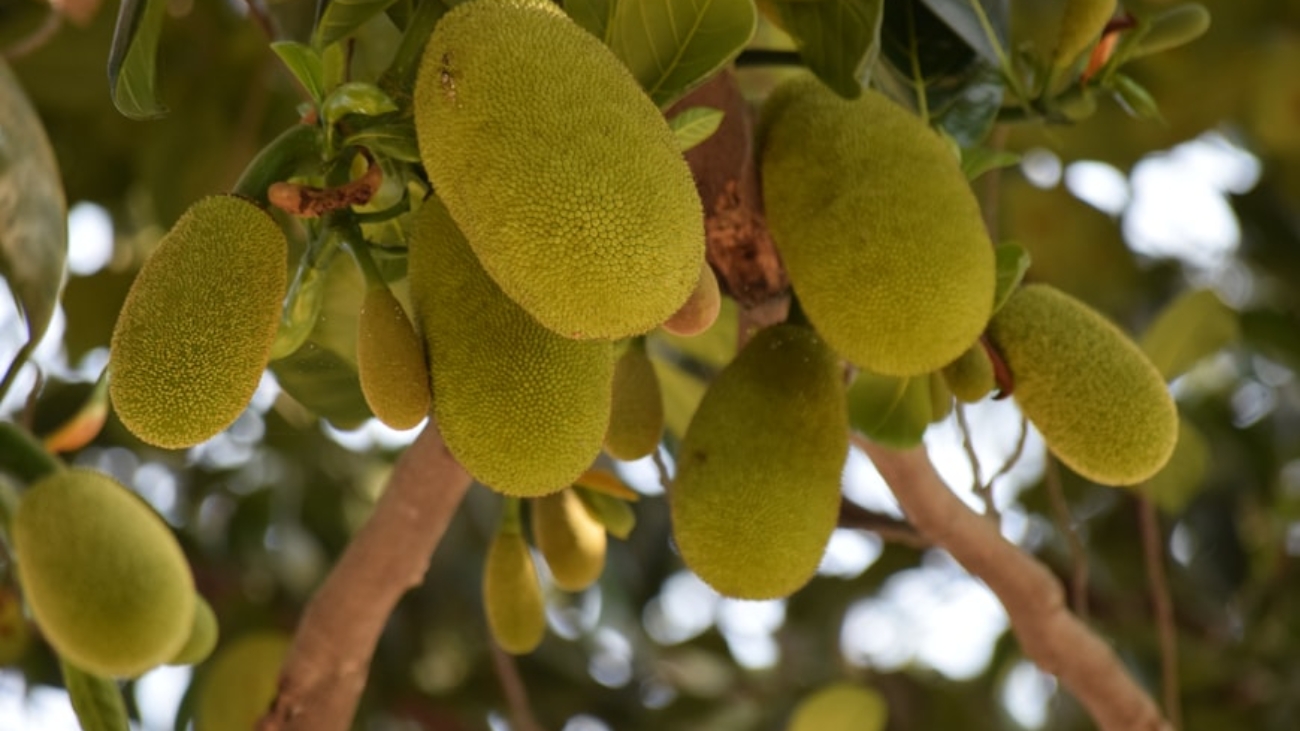
Kottarakkara, centrally located and historically famous for its jackfruit, tapioca, coconut, and vegetable cultivation, must become a centre of food processing and farm logistics by 2047. The government’s jackfruit mission can grow into a full-fledged Kottarakkara Food Grid, where farmers bring produce to local aggregation centres that sort, clean, and send it to processing units. Jackfruit flour, vacuum-fried chips, ready-to-eat curries, frozen segments, and vegan meat alternatives can be developed for both domestic and export markets. Tapioca and banana can be processed into starch, chips, health snacks, and industrial inputs, creating new jobs for rural youth. To address the challenge of fluctuating prices and perishability, Kottarakkara needs community cold storage facilities, packhouses, and a digital auction platform that connects farmers directly to wholesale buyers.
Sustainable farming practices must be integrated across Adoor, Pathanapuram, and Kottarakkara. Soil health cards, organic manure production units, and village-level composting can regenerate degraded soils. Precision sensors and mobile apps can guide farmers on optimal fertiliser use, saving costs and protecting groundwater. Local governments should support cluster-based mechanisation services, allowing farmers to rent tractors, harvesters, and sprayers through digital booking—reducing labour shortages and speeding up field operations.
A region-wide climate adaptation plan is essential. Flood-resistant crop varieties, drought-tolerant paddy, mixed cropping systems, and shade-grown models will help farmers withstand unpredictable weather. Tree-planting corridors along farmland boundaries can stabilise slopes, prevent soil erosion, and create microclimates that protect crops. Community seed banks must be established to safeguard local genetic diversity, giving farmers resilience against future climate shocks.
Strengthening the agricultural economy also requires investing in people. By 2047, every panchayat in these regions should have Farmer Learning Centres offering training in organic certification, value addition, export standards, financial literacy, and digital marketing. Youth agro-startups can be incentivised through incubation centres offering mentorship, credit support, and links to e-commerce platforms. Women farmers, who often manage homesteads, should receive dedicated credit lines and leadership roles within FPOs.
A coordinated regional strategy can link Adoor’s processing potential, Pathanapuram’s spice ecology, and Kottarakkara’s food grid into a powerful agricultural ecosystem. This integrated model can ensure that raw produce is transformed locally, that farmers earn more than ever before, and that agriculture remains sustainable and future-ready.
By 2047, these three regions can represent a rural renaissance—where farming is profitable, modern, environmentally sound, and deeply rooted in Kerala’s cultural landscape. Agriculture will no longer be viewed as a declining sector but as a vibrant source of innovation, dignity, and economic security for generations to come.

Leave A Comment