
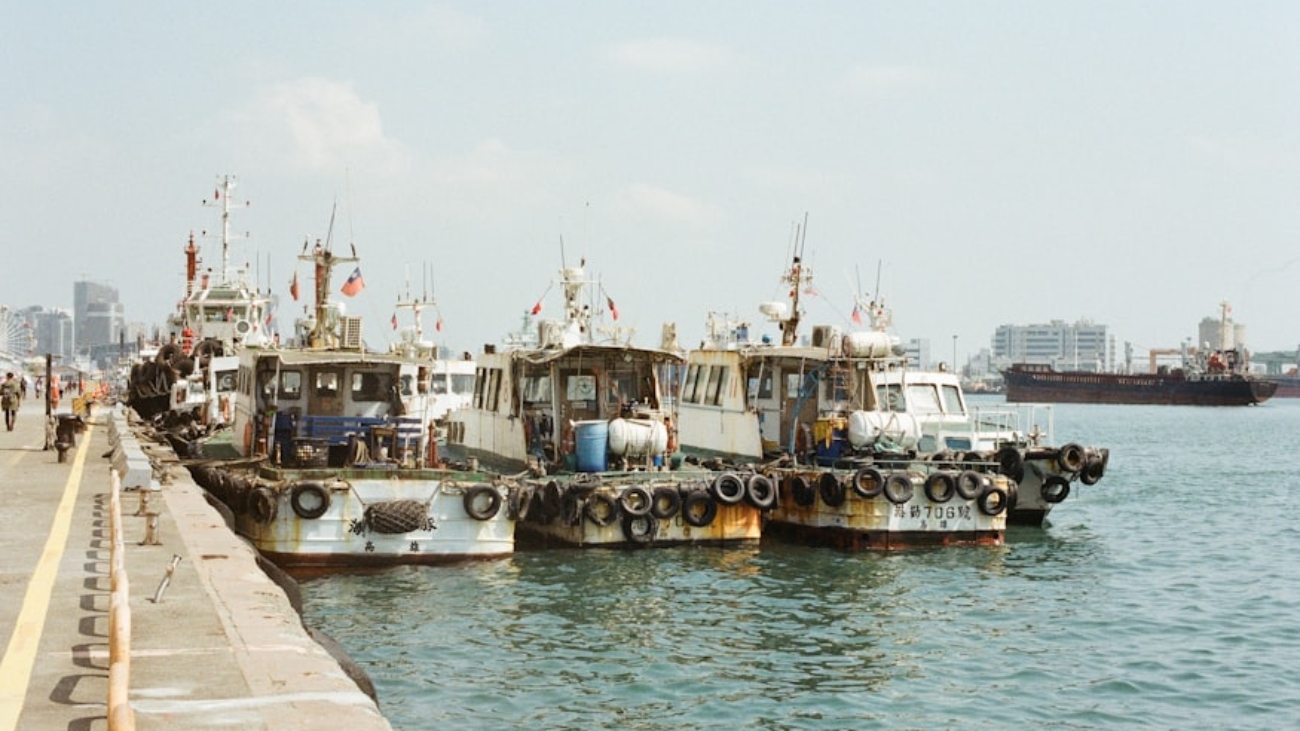
Kerala’s 600 km coastline is one of the most beautiful in India—but also one of the most vulnerable. Stretching from Kasaragod to Thiruvananthapuram, it lies open to the Arabian Sea, international shipping lanes, informal fishing routes, transnational smuggling networks, climate threats, and geopolitical turbulence across the Indian Ocean. For a state that historically depended on maritime trade and coastal communities, Kerala has never sufficiently invested in coastal defence, surveillance, or maritime policing. The coastline remains porous, response speeds remain limited, and coordination between agencies is often fragmented. As Kerala moves toward Vision 2047, it must recognise a critical and uncomfortable truth: Kerala faces significant coastal security risks, and without a strong coast guard presence—integrated, well-equipped, and technologically capable—the state will remain exposed.
Understanding the Risks
Kerala faces several layers of coastal vulnerability that must guide its long-term strategy.
1. Transnational infiltration and extremism.
The Arabian Sea route has historically been used for illegal movement of people and goods. Kerala’s proximity to the Middle East, combined with high maritime traffic, creates the possibility of extremist infiltration, illegal migration, and covert movement disguised through fishing activities.
2. Smuggling and narcotics trafficking.
The western coast has become a major narcotics route. Boats from Pakistan, Iran, and other regions have been intercepted carrying heroin, methamphetamine, and contraband worth thousands of crores. Kerala’s coastline offers multiple landing points that are difficult to monitor without structured surveillance.
3. Illegal fishing and depletion of resources.
Foreign vessels encroaching into Indian waters cause economic harm to Kerala’s fishing communities and pose security challenges when unregistered boats mingle with domestic fleets.
4. Maritime accidents, cyclones, and climate threats.
The coast is at rising risk from storm surges, unpredictable weather, and sea-level rise. Kerala’s fishermen often venture into rough seas without real-time alerts, leading to repeated tragedies.
5. Vulnerability of ports and strategic infrastructure.
Vizhinjam, Kochi, and Beypore are potential targets for sabotage, piracy, or cyber-physical attacks. LNG terminals, naval bases, shipyards, and offshore energy installations must be protected by strong maritime policing.
These risks make one thing clear: Kerala needs a stronger, state-integrated coastal guard ecosystem—much stronger than what exists today.
Kerala Vision 2047: A Strong Coast Guard Ecosystem
Kerala cannot depend only on central agencies for maritime security. While the Indian Coast Guard and Navy play major roles, Kerala must build its own layer of coastal infrastructure, manpower, and intelligence systems that work in close partnership with national forces. Vision 2047 must include a comprehensive, multi-tier coastal defence strategy.
1. Establish the Kerala Coastal Protection Force (KCPF)
By 2047, Kerala must develop a specialised maritime police force with:
Fast patrol boats
High-speed interceptors
Drones for coastal surveillance
Radar-equipped marine outposts
Night-vision capabilities
Special training in boarding operations and maritime law
The force should act as the first responder and coordinate seamlessly with the Indian Coast Guard and Navy. Unlike current coastal police stations—often under-resourced—the KCPF must be a professional, elite force.
2. Build a Chain of Coastal Surveillance Towers
Kerala needs a continuous surveillance net with:
Radar stations every 20–30 km
Long-range cameras covering the entire shore
Thermal imaging for night surveillance
Automatic vessel identification systems (AIS)
AI-based anomaly detection for unusual boat movement
This network must integrate with national systems but operate at the granularity required for Kerala’s unique fishing patterns and coastline behaviour.
3. Modernise Fishing Fleets with GPS and Mandatory Registration
Every fishing boat operating out of Kerala—traditional or mechanised—must have:
GPS trackers
AIS transponders
QR-based identity kits
Emergency distress beacons
Storm alert receivers
Without a digital identity system for Kerala’s fishing fleet, coastal patrols cannot distinguish friendly vessels from infiltrators. By 2047, no boat should enter Kerala waters without registration, transponders, and remote tracking.
4. Build Coastal Disaster-Response Capabilities
Kerala must upgrade its coastal resilience with:
Dedicated search-and-rescue (SAR) vessels
Helicopter-ready rescue points
Floating emergency stations
Real-time weather and wave forecasting systems
Integrated control rooms linking fishermen, harbours, and police
Fishermen must receive rapid alerts directly on their devices, in Malayalam, with GPS-linked evacuation instructions. Maritime safety is also maritime security.
5. Strengthen Harbour Security and Port Protection
Ports must be treated as high-value strategic assets.
Vizhinjam must have multi-layer surveillance, including underwater scanning to detect submersibles.
Kochi port, LNG terminal, and naval facilities require maritime cyber-defence units.
All ports must implement International Ship and Port Facility Security (ISPS) standards with strict access controls, biometric entry, and patrolling.
The coastline around ports must be monitored with sonar-based systems to detect underwater threats.
6. Use Advanced Technology for Coastal Intelligence
Kerala must deploy a technology stack that includes:
AI-powered coastal monitoring
Satellite-based tracking of vessel routes
Predictive analytics for illegal fishing and smuggling
Maritime drones with 10–12 hour endurance
Automatic number recognition for boats
Underwater drones for hull inspection
Technology reduces manpower requirements and enhances accuracy.
7. Build a Coastal Intelligence Network
Community intelligence is essential. Kerala must involve:
Fishermen
Harbour workers
Boat repairers
Coastal residents
Homestay operators
Small traders
These groups must be trained to recognise suspicious behaviour. A coastal intelligence hotline should allow anonymous reporting. Fishermen are the eyes of the sea—Kerala should treat them as partners in national security.
8. Invest in Coastal Training and Maritime Academies
Kerala must create training academies for:
Coastal policing
Marine engineering
Navigation and seamanship
Diving and underwater repair
Cyber defence for maritime infrastructure
Rescue operations
Young people from fishing communities should receive pathways into maritime security jobs.
9. Build Integrated Command Centres
A Kerala Maritime Command Centre should centralise:
Radar feeds
AIS data
Drone footage
Satellite maps
Emergency alerts
Weather dashboards
Police and Coast Guard communication channels
With instant response protocols, automated alerts, and joint-force coordination.
10. Strengthen Legal and Policy Frameworks
Kerala must introduce laws and regulations for:
Illegal coastal landing
Drone misuse near the coast
Maritime pollution penalties
Fishing zone violations
Smuggling and cyber threats via ports
Regulation of offshore structures
Policy alignment ensures security is not left to improvisation.
Why Kerala Needs This More Than Ever
The Indian Ocean is becoming more contested geopolitically.
Smuggling and narcotics routes are expanding.
Extreme climate events are increasing.
Port infrastructure is becoming more strategic.
Kerala’s dependence on coastal communities remains high.
Ignoring coastal security is no longer an option; it is a direct threat to Kerala’s stability, economy, and safety.
Vision 2047: A Secure, Resilient Maritime Kerala
By 2047, Kerala must evolve into a state with:
The strongest coastal surveillance system in India
An elite maritime police force
Secure ports and shipping lanes
Technologically equipped fishermen
Climate-resilient coastal communities
Integrated cooperation with the Navy and Coast Guard
Zero tolerance for illegal maritime activity
A state that respects the sea must also protect itself from the sea. Kerala Vision 2047 requires not just economic development along the coast, but a comprehensive maritime security architecture that safeguards every person, every vessel, and every port.
If Kerala builds this robust coastal guard ecosystem, it will convert its biggest vulnerability into one of its greatest strengths—creating a safer, stronger, more resilient Kerala for generations to come.
