
By 2047, tourism will no longer be about sightseeing. Travellers across the world will seek deep, meaningful, immersive experiences—authentic encounters that allow them to live inside a culture rather than simply observe it. Kerala, with its rich village traditions, lush landscapes, festivals, food, crafts, and community life, is uniquely positioned to lead this global shift. Yet Kerala’s tourism model today remains heavily focused on beaches, backwaters, resorts, and hill stations. The vast cultural and ecological wealth of its villages remains underutilised and under-structured. Kerala Vision 2047 must therefore build a new tourism ecosystem centred on immersive village tourism—offering global audiences an intimate experience of Kerala’s everyday culture, craft, agriculture, spirituality, cuisine, and storytelling.
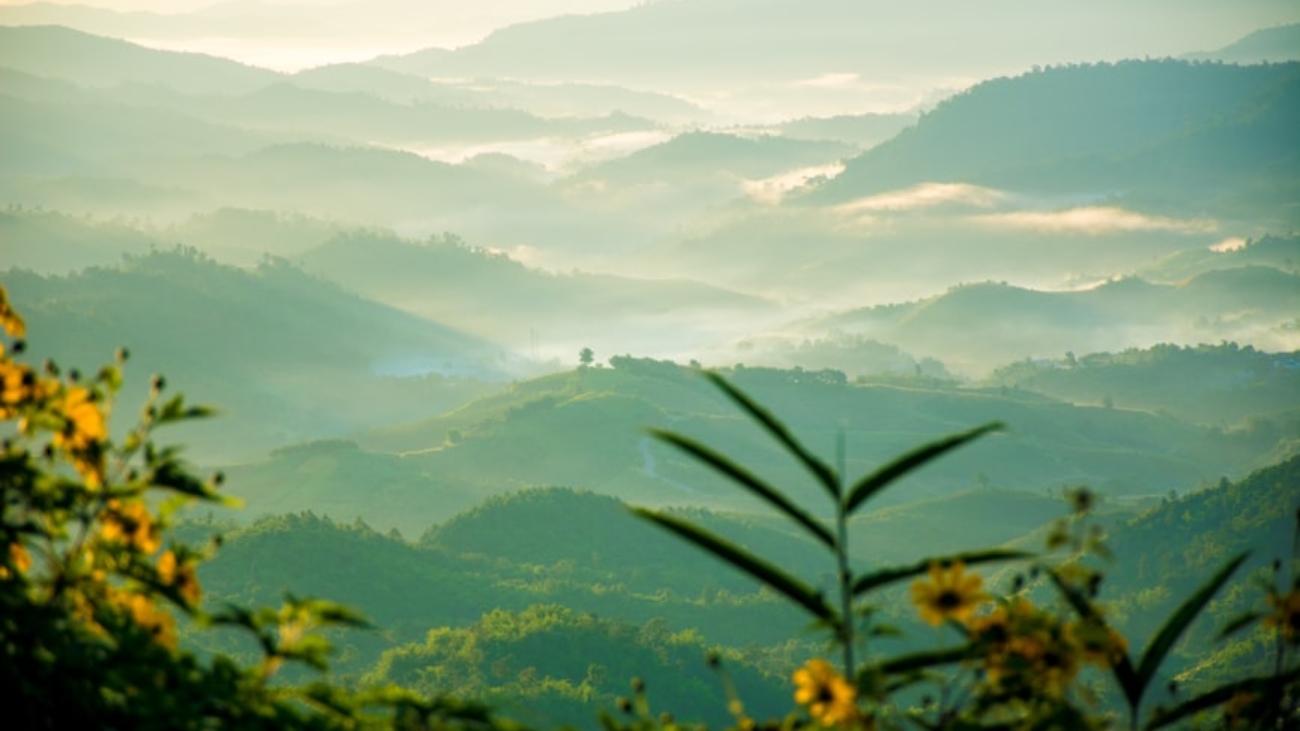
The foundation of this vision is Kerala’s unique village identity. Unlike many regions in India, Kerala’s villages are not isolated or impoverished; they are literate, green, socially vibrant, and culturally rich. Visitors find clean roads, friendly communities, temples and churches filled with rituals, paddy fields bordered by coconut trees, fresh food, and a daily rhythm that is calming and deeply human. This is Kerala’s global advantage. Vision 2047 must elevate this natural charm into a structured, premium tourism product—one that is ethical, sustainable, and community-driven.
The first step is creating immersive village tourism clusters across the state. Instead of isolated homestays or occasional cultural events, Kerala must build integrated tourism villages that offer a curated set of experiences to travellers. These clusters can include activities like canal boating in Kuttanad, pepper harvesting in Wayanad, toddy tapping lessons in Alappuzha, pottery in Thrissur, bamboo craft in Pathanamthitta, fishing village explorations in Kozhikode, and spice trail walks in Idukki. Each village can specialise in a theme—agriculture, cuisine, artisan crafts, Ayurveda, biodiversity, tribal culture, or performing arts. A visitor should feel they are entering a living museum, not a staged attraction.
To support these clusters, Kerala must design immersive tourism experiences that involve active participation. Instead of watching a Theyyam performance from a distance, visitors should be able to learn directly from artists, witness the preparation rituals, understand the symbolism, and perhaps even assist backstage. Instead of tasting Kerala food in restaurants, visitors should cook meals with families, visit local markets, learn to grind masalas, and understand the stories behind each dish. Instead of simply walking through paddy fields, visitors should join farmers during planting or harvesting season, experiencing agricultural rhythms firsthand. These activities will create tourism that is emotional, memorable, and transformative.
Digital immersion will be equally important. By 2047, visitors will expect AR and VR layers integrated into their physical experiences. Kerala can build smart village trails that use augmented reality to teach history, ecology, and folklore. Imagine a traveller standing on the banks of Bharathapuzha watching an AR simulation of ancient boat races, or exploring a temple with VR explanations of its murals, architecture, and myths. Such digital storytelling can turn ordinary spaces into world-class experiences without harming local life.
Immersive tourism must also focus deeply on living culture. Kerala villages possess a wealth of rituals, festivals, art forms, and oral traditions. Visitors should be able to join temple festivals in a respectful, guided manner; participate in Onam celebrations; learn Kathakali makeup; practice Chenda drumming; join Christian choir rehearsals; or take part in village games and folklore evenings. The goal is not to commodify culture but to share it in ways that honour local identity.
Homestays will become the backbone of this model. Kerala must expand homestays beyond accommodation into cultural immersion hubs. Homestay hosts must be trained in hospitality, storytelling, safety protocols, and cultural interpretation. Homes should reflect Kerala architecture, cuisine, and lifestyle, rather than mimic hotels. By 2047, Kerala can have a network of 25,000 certified immersive homestays, each offering curated packages—village walks, heritage dinners, cultural nights, farming activities, wellness sessions, and community interactions.
A major pillar of this model is community ownership. Immersive village tourism must benefit local residents, not just tour operators. Villagers should run craft workshops, food stalls, cultural performances, nature trails, and local museums. Tourism revenue can support village infrastructure, schools, artisans, women’s groups, and farmer cooperatives. When communities become shareholders of tourism, they protect heritage, maintain cleanliness, and ensure sustainability.
Sustainability itself must guide every decision. Village tourism must follow strict norms: eco-friendly transport, zero-plastic operations, renewable energy use, waste segregation, and water conservation. Villages must remain villages, not be overdeveloped into resorts. The beauty of immersive tourism lies in quietness, simplicity, and authenticity. Kerala must protect these qualities through strong planning and community governance.
Training will be crucial. Villagers need support to become guides, artisans, entrepreneurs, nature interpreters, and cultural ambassadors. Kerala must establish Village Tourism Academies offering courses in hospitality, languages, digital marketing, safety, sustainable farming, craft design, and storytelling. A global audience requires professionalism without losing authenticity.
Kerala must also build innovative immersive tourism circuits. For example:
A “Malabar Spice Route” that takes visitors through pepper farms, traditional medicine gardens, tribal culinary experiences, and spice drying yards.
An “Eastern Range Agro Trails” covering cardamom plantations, mountain treks, and coffee estate homestays.
A “Backwater Life Circuit” connecting Kuttanad villages, boat-building workshops, fishing communities, and paddy-field experiences.
A “Cultural Villages Network” showcasing Theyyam, Kathakali, Kalamezhuthu, Mohiniyattam, mural art, temple rituals, and church traditions.
These circuits can be marketed globally as slow-travel routes—inviting visitors to spend a week or two in Kerala villages rather than rushing through tourist hotspots.
Kerala must also promote wellness-based immersive tourism. Ayurveda villages where visitors stay with families, learn herbal preparation, attend meditation sessions, work in herbal gardens, and understand ancient health philosophies. These villages can attract global health-conscious travellers seeking authentic healing traditions rather than spa versions of Ayurveda.
A key part of Vision 2047 is using immersive village tourism to strengthen local identity and cultural continuity. When villagers teach their traditions to global audiences, they gain pride—and youth rediscover value in their heritage. Tourism thus becomes a tool for cultural preservation, not just revenue generation.
Marketing must shift to digital storytelling: cinematic videos, interactive websites, virtual tours, and influencer partnerships. Kerala must brand itself globally as “The World’s Village Tourism Capital”—a place where humanity, nature, and culture coexist peacefully.
By 2047, Kerala can build an immersive village tourism ecosystem that is economically powerful, culturally rich, socially inclusive, and environmentally sustainable. A system where global travellers feel transformed and local communities feel uplifted. A system where tradition becomes opportunity, and rural life becomes global heritage.
If Kerala executes this vision, the villages of the state will become its greatest ambassadors—inviting the world not just to visit Kerala, but to experience it.
