
Kochi stands today as Kerala’s largest industrial zone, but its true potential remains underutilised. By 2047, Kerala must position the Kochi Manufacturing Belt—stretching from Kalamassery, Eloor, Udyogamandal, Ambalamugal and Aluva to the port logistics corridor—as a $40-billion high-performance industrial cluster anchored in petrochemicals, engineering, electronics, shipbuilding and food processing. To achieve this, the state must adopt a data-first, infrastructure-intelligent, global-quality strategy, using real-time numbers to drive decisions, monitor output and enhance competitiveness.
The starting point is recognising the current baseline. Kochi’s industrial economy today is estimated at around $12–15 billion in annual output, with petrochemicals and allied sectors contributing nearly 35 percent, marine and food processing another 20 percent, and engineering-heavy industries around 15 percent. Approximately 2.5 lakh workers directly depend on the manufacturing belt, and another 7–8 lakh participate in the extended ecosystem of transport, logistics, services and supply chains. But these figures can grow substantially if Kerala implements a clear 2047 roadmap grounded in data and measurable outcomes.
Central to this transformation is the modernisation of the petrochemical and chemical complex. BPCL Kochi Refinery currently processes 15.5 million metric tonnes per annum (MMTPA) of crude oil. With downstream diversification into polymers, specialty chemicals and green fuels, the output value can rise from the present ₹55,000 crore annually to ₹1.2 lakh crore by 2047. FACT’s production of fertilizers and industrial chemicals also requires data-enabled optimisation. Introducing real-time monitoring, digital twin operations and predictive machinery analytics can reduce unplanned downtime by up to 30 percent and enhance productivity by 15–18 percent. These improvements alone can generate an additional ₹7,000–10,000 crore in annual industrial value by 2035.
Shipbuilding, one of Kochi’s unique strengths, must form the second pillar of expansion. Cochin Shipyard Limited (CSL) today generates around ₹3,000–4,000 crore in annual revenue. With defence contracts, green ship technologies, autonomous vessels and deep-sea fabrication, CSL can realistically target ₹12,000 crore by 2047. The cluster needs a maritime manufacturing ancillary ecosystem—precision machining units, composite material units, marine electronics assembly, and propeller and turbine sub-component factories. A single large ship order involves nearly 800–1,200 components; establishing a 200-unit ancillary network around Kochi can create 30,000 new specialised jobs and increase domestic value capture from 40 percent today to over 70 percent by 2047.
The third core engine is advanced engineering and electronics. The Kalamassery–HMT–KINFRA belt has more than 1,200 registered small and medium engineering units, but productivity levels vary widely. The average SME in Kerala operates at 55–60 percent machine utilisation compared to global benchmarks of 80–85 percent. Embedding sensors, IoT dashboards, predictive analytics and digital quality control can push utilisation upwards, leading to a 20–25 percent jump in output without requiring land expansion. If even 500 units transition into Industry 4.0 practices, Kochi can add an estimated ₹6,000 crore in cumulative annual value by 2040.
Kochi’s seafood export and food processing sector also needs numbers-driven reform. Kerala exports roughly 6–7 lakh tonnes of marine products annually, of which Kochi accounts for nearly 40 percent. Yet cold chain losses remain at 10–12 percent. Introducing real-time cold chain telemetry, blockchain-based traceability and port-based rapid quality testing can reduce losses to 3 percent, improving export revenues by ₹1,500–2,000 crore annually. Kochi must position itself as a global seafood processing and packaging innovation zone with stringent data-backed compliance and certification processes.
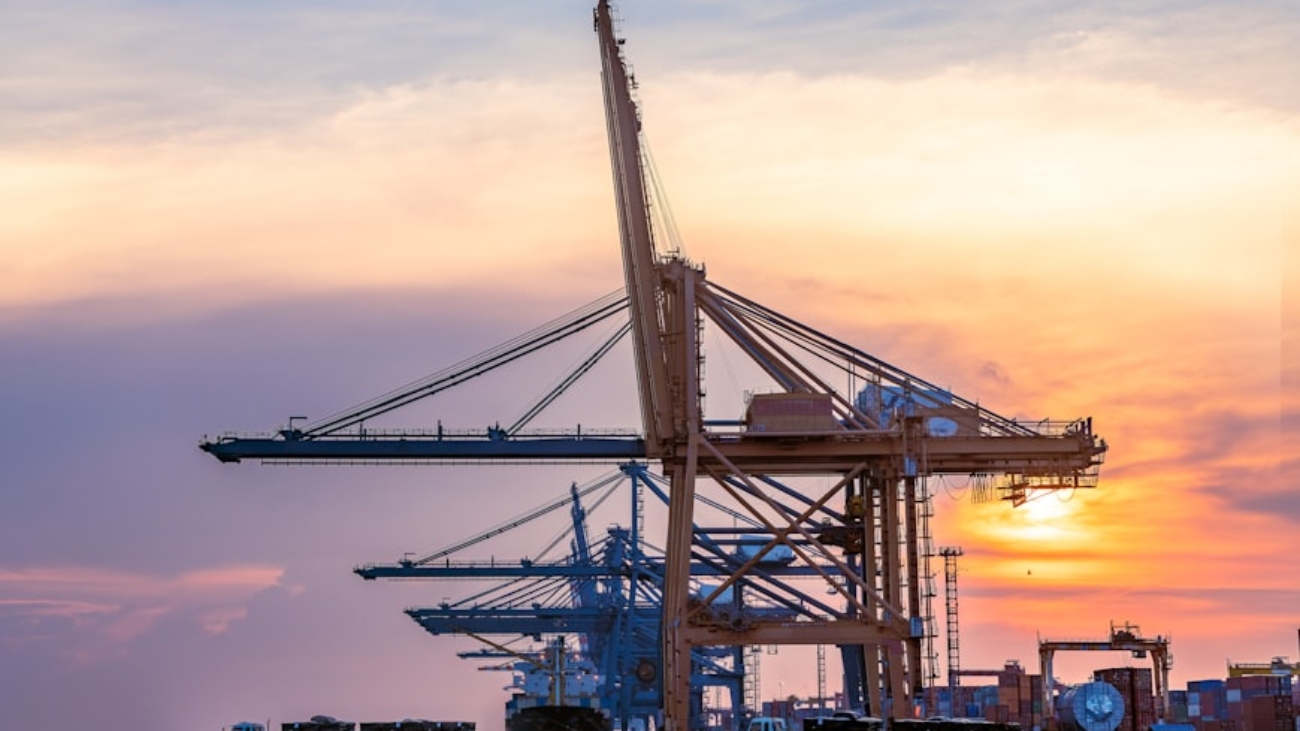
Logistics and port modernisation form the backbone of this 2047 vision. Kochi Port currently handles around 36 million tonnes of cargo. Vallarpadam ICTT processes around 7 lakh TEUs (twenty-foot equivalent units) annually. By 2047, Kerala needs a target of 2 million TEUs, achievable only by integrating road, waterway and rail logistics with intelligent cargo scheduling. AI-based berthing management alone can improve ship turnaround time by 20–25 percent. A 15 percent reduction in logistics time and a 10 percent reduction in logistics cost can increase Kochi’s manufacturing competitiveness substantially, with an estimated GDP impact of ₹20,000 crore per year by 2047.
To support this growth, energy reliability is critical. Kochi’s industrial belt currently consumes around 2,500–3,000 million units (MU) of electricity annually. By 2047, consumption could cross 6,000 MU. This requires smart grid deployment, substation automation, industrial rooftop solar networks and a power quality monitoring system that reduces harmonic losses. Kerala loses nearly ₹4,000 crore annually in productivity due to voltage fluctuations and poor power factor in industrial areas. A data-driven grid with digital metering, real-time power factor correction and predictive outage mapping can reduce losses by half.
Data governance itself must become the nervous system of the Kochi Manufacturing Belt. Every factory above a certain threshold should be integrated into a live industrial dashboard tracking energy use, material flows, emissions, safety events, and production metrics. Environmental compliance should rely on continuous emissions monitoring systems rather than sporadic inspections, cutting non-compliance by 40 percent and improving investor confidence. Urban planning must also evolve. The manufacturing belt cannot expand haphazardly. GIS-based zoning maps, industrial wastewater load calculators, traffic digital twins and flood risk simulations must guide all decisions. The Combined Eloor–Udyogamandal zone is one of India’s top 10 industrial pollution hotspots; using sensor networks and data-driven remediation can reduce pollutant concentrations by 35–40 percent in a decade.
Human capital is another vital factor. Kochi requires a skilled workforce of at least 4–5 lakh highly trained technicians, data engineers, marine engineers, chemical scientists and precision manufacturing specialists by 2047. Kerala must build Industry 4.0 training institutes, maritime engineering academies, and chemical process technology schools directly aligned with the industrial belt. Apprenticeships should be mandated with data-backed placement tracking, ensuring a 70 percent absorption rate into the local industry.
If these interventions are executed with discipline, Kochi can transform into a globally recognised industrial hub. By 2047, the Kochi Manufacturing Belt can realistically reach the following targets:
• Increase total industrial output from ~$15 billion to ~$40 billion.
• Generate 5 lakh new direct and indirect jobs.
• Triple engineering and electronics output.
• Achieve 2 million TEUs in container traffic.
• Reduce logistics time by 20–30 percent.
• Cut industrial pollution by 40 percent.
• Achieve 70+ percent adoption of Industry 4.0 tools.
Kerala Vision 2047 demands that Kochi evolve from a traditional industrial corridor into an intelligent manufacturing ecosystem—one that competes not through low labour cost but through precision, speed, data transparency and innovation. In a state constrained by geography and land availability, the only viable growth model is smart density—producing more value per square kilometre through technology, analytics and high-quality engineering. Kochi is already Kerala’s industrial heart; by 2047, it must become its economic engine, innovation lab and global manufacturing signature.
