
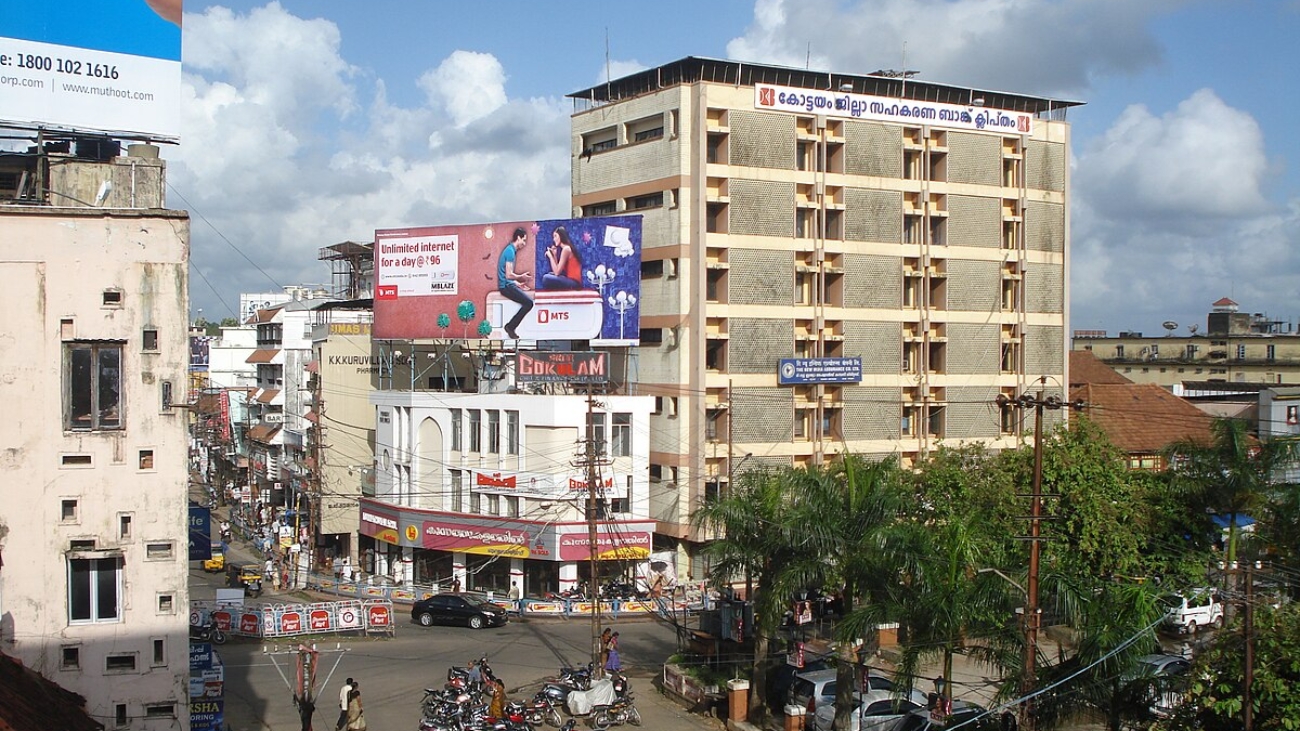
Urban flooding in Kerala is no longer an episodic disaster linked only to extreme rainfall. It has become a routine urban failure where moderate rain is enough to paralyse traffic, flood homes, shut markets, and overwhelm daily life. What is often described as a climate problem is, in reality, a drainage and governance problem that has been accumulating quietly for decades.
Kerala’s towns were historically shaped around water. Canals, ponds, streams, paddy fields, and wetlands absorbed excess rainfall and released it slowly. Urbanisation did not erase rain; it erased these absorption systems. As cities expanded, natural drains were narrowed, diverted, covered, or built over. Water that once had space and time to move is now forced into undersized pipes or onto roads and houses.
Stormwater drainage systems in most urban areas are either outdated or incomplete. Many drains were designed decades ago for lower runoff volumes and different land-use patterns. Paved surfaces have multiplied, increasing runoff dramatically, but drain capacity has remained largely unchanged. In many towns, there is no comprehensive drainage network at all, only disconnected segments reacting to complaints rather than following a planned hydrological logic.
A critical flaw is the mixing of stormwater and sewage. When drains carry both rainwater and waste, even light showers overwhelm the system. Backflow floods streets with contaminated water, creating public health risks alongside physical damage. This mixing is not accidental; it is the result of incremental fixes made without long-term planning or coordination between agencies.
Encroachment plays a decisive role. Natural streams and canals have been gradually narrowed by compound walls, shops, parking spaces, and even public buildings. Each encroachment appears minor, but collectively they strangle flow capacity. When water cannot move horizontally, it rises vertically, entering homes and shops that were never flood-prone before.
Solid waste worsens the situation. Plastics, construction debris, and organic waste clog drains, reducing effective capacity even further. Waste management failures turn drainage systems into blocked pipes waiting for rainfall to expose their weakness. Cleaning drives before monsoons are reactive rituals, not systemic solutions.
Urban flooding is intensified by uncoordinated construction. Roads are raised repeatedly without corresponding drain redesign, creating bowl-like conditions where water accumulates. New developments alter local gradients, pushing water toward older neighbourhoods. Each project optimises for its own site, ignoring downstream impacts.
The social cost of flooding is uneven. Informal settlements and lower-income neighbourhoods suffer the most, often located on low-lying or marginal land. Repeated flooding destroys household assets, disrupts livelihoods, and creates long-term insecurity. What is framed as a natural disaster becomes a structural injustice.
Economic losses are significant but undercounted. Small businesses close for days. Supply chains are disrupted. Health expenses rise due to waterborne diseases. Insurance coverage is limited, and informal losses never enter official statistics. Cities quietly bleed productivity every monsoon.
Solving urban flooding requires shifting from drainage as an afterthought to water as a central planning element. The first solution is to map urban watersheds comprehensively. Cities must understand where water comes from, how it flows, where it accumulates, and where it should exit. Without this hydrological map, every intervention remains guesswork.
Drainage systems must be redesigned as networks, not fragments. Capacity should be recalculated based on current and projected runoff, not historical assumptions. Separate systems for stormwater and sewage are essential. Mixing convenience today creates disaster tomorrow.
Natural drainage channels must be restored and protected. This does not always require demolition, but it does require enforcement. Buffer zones along canals and streams should be treated as non-negotiable infrastructure, not vacant land awaiting use. Where encroachments are unavoidable, engineered solutions must compensate for lost capacity.
Urban design must work with water rather than against it. Permeable pavements, rain gardens, bioswales, and retention ponds slow runoff and reduce pressure on drains. These are not aesthetic add-ons; they are functional infrastructure that spreads risk across the city instead of concentrating it in drains.
Road design needs correction. Every road project should include drainage redesign as a mandatory component. Raising road levels without addressing water movement simply transfers flooding from vehicles to homes. Integrated road-and-drain standards can prevent this silent damage.
Waste management reform is inseparable from flood prevention. Decentralised waste processing, strict enforcement against dumping, and continuous drain maintenance reduce blockage risk. Flood resilience begins with everyday cleanliness, not emergency pumps.
Construction approvals must include drainage impact assessments. Large developments should be required to manage their runoff on-site through storage and delayed discharge. Cities cannot afford to absorb unlimited runoff from private projects into public drains.
Institutional coordination is critical. Drainage often falls between departments: municipalities, public works, irrigation, and water authorities. A single urban water management unit with clear accountability can replace fragmented responsibility with system-level thinking.
Community participation matters. Residents are often the first to notice blocked drains or altered flows. Formal channels to report, monitor, and co-manage local drainage improve responsiveness and trust. Flood management cannot succeed as a top-down exercise alone.
Technology can enhance prevention if used wisely. Real-time rainfall data, water-level sensors, and predictive models can identify risk zones early. However, technology must support physical fixes, not replace them with dashboards.
Finally, political narratives around flooding must change. Relief announcements and compensation packages address symptoms, not causes. Investing in invisible drainage infrastructure is less visible than inaugurating roads, but far more consequential for urban stability.
Urban flooding is not inevitable. It is the result of choices made slowly, project by project, without respect for water’s logic. By restoring drainage as foundational infrastructure and treating water as a planning partner rather than an enemy, Kerala’s cities can reclaim safety, dignity, and resilience.
