
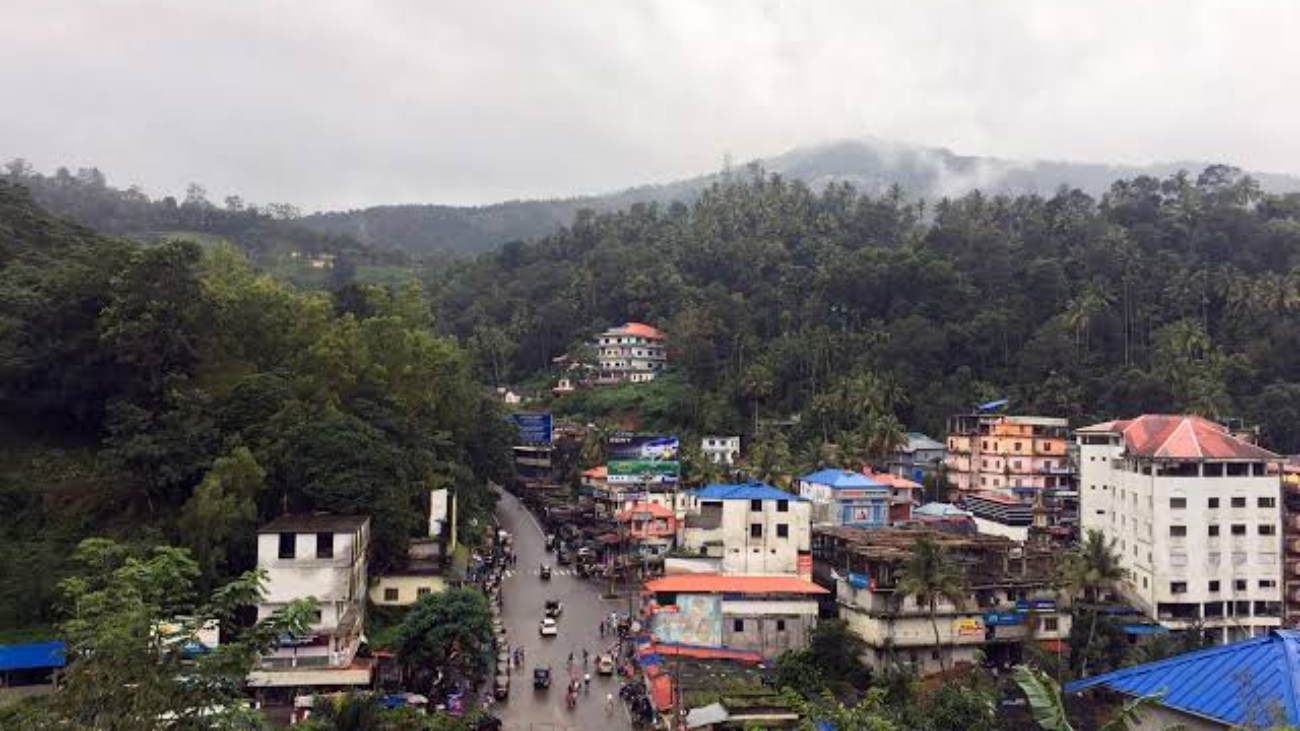
Idukki is one of Kerala’s most resource-rich districts, defined by its hydropower reservoirs, spice plantations, forest ecosystems and world-class landscapes. Yet despite this natural capital, its present economic footprint remains modest, at roughly ₹10,000–12,000 crore. A data-driven development pathway can transform Idukki into a ₹50,000–₹60,000 crore high-value highlands economy by 2047, powered by clean energy, advanced spice processing, high-tech horticulture and sustainable tourism.
The strongest pillar of this transformation is clean energy. Idukki’s hydroelectric assets are among the largest in India, but their commercial potential is underutilised. By modernising turbines, developing pumped hydro storage systems, and integrating battery storage, the district can create a reliable green energy hub. With 500–1,000 MW of additional storage capacity, Idukki can raise its annual energy monetisation to ₹6,000–8,000 crore by 2047. This shift can also attract energy-intensive industries and engineering companies, generating thousands of skilled jobs in turbine retrofitting, control systems and power electronics.
The second pillar is spice and plantation value-addition. Idukki produces large shares of Kerala’s cardamom, pepper, tea and coffee, but most of this output is sold as raw produce. By expanding local processing to 70 percent of production and establishing aroma parks with distillation units, GC–MS labs and export packaging centres, the district can grow plantation value from its current low base to ₹15,000–18,000 crore. Improved drying, controlled humidity storage and real-time traceability can reduce post-harvest losses from 12 percent to under 4 percent, significantly raising farm incomes. “Idukki Single Origin” certification for spices and specialty coffee can tap premium international markets.
A third engine of growth lies in horticulture and floriculture. With its cool climate and elevation, Idukki is well-suited for berries, high-value vegetables and cut flowers. By converting 20,000–30,000 hectares to protected cultivation and building five major cold-chain hubs, the district can generate ₹2,500–3,000 crore from horticulture and floriculture by 2047. Sensor-based irrigation, drone mapping and precision-farming advisories can increase productivity while reducing environmental stress. This diversification will also reduce the plantation sector’s dependence on volatile global spice prices.
Tourism forms the fourth major economic pillar. Munnar, Thekkady and the hill circuits already attract significant footfall, but revenue capture is low and ecological stress is mounting. A data-backed tourism strategy can stabilise annual visitors at 1.2–1.5 million while increasing average per-visitor spending to ₹6,000–8,000. Eco-certified accommodations, managed trekking routes, decentralised waste treatment and strict ecological monitoring can expand tourism revenue to ₹8,000–10,000 crore by 2047. A publicly available Environmental Health Index for Idukki can ensure that tourist growth does not compromise forests and water systems.
Infrastructure and climate resilience will determine the success of these pillars. The district needs 1,200 km of upgraded hill roads and 200 km of climate-resilient connectors to markets and ports. Better connectivity can reduce transport time for perishable goods by 20–30 percent. Automated watershed systems, early-warning sensors and micro-reservoir management can reduce landslide and flood risk by 40 percent in vulnerable zones. Digitised governance, along with a district industrial dashboard tracking energy output, spice prices, tourist footfall and climate indicators, can create transparency and guide policy in real time.
Human capital development is essential for this shift. Idukki will require around 1.5 lakh trained workers in energy technology, spice science, horticulture, eco-guiding and logistics. Training centres located across the high-range belt—Kattappana, Adimali, Nedumkandam, and Munnar—can offer industry-linked programmes with 70–80 percent placement conversion. This workforce will anchor both traditional sectors and new high-tech niche industries.
If implemented consistently, Idukki can achieve a new economic profile by 2047. Clean energy can contribute ₹6,000–8,000 crore annually, plantation value-addition can reach ₹18,000 crore, horticulture can add ₹3,000 crore, tourism can exceed ₹10,000 crore, and the district can generate 2.5–3 lakh new jobs. The shift is not merely an expansion of existing industries; it is a structural reorientation toward high-value, low-footprint economic activity.
Idukki’s future does not require choosing between ecological protection and economic growth. The district’s strength lies in integrating both. Kerala Vision 2047 envisions Idukki as a model highlands economy—renewable, resilient, export-ready and driven by scientific management of natural resources.
