
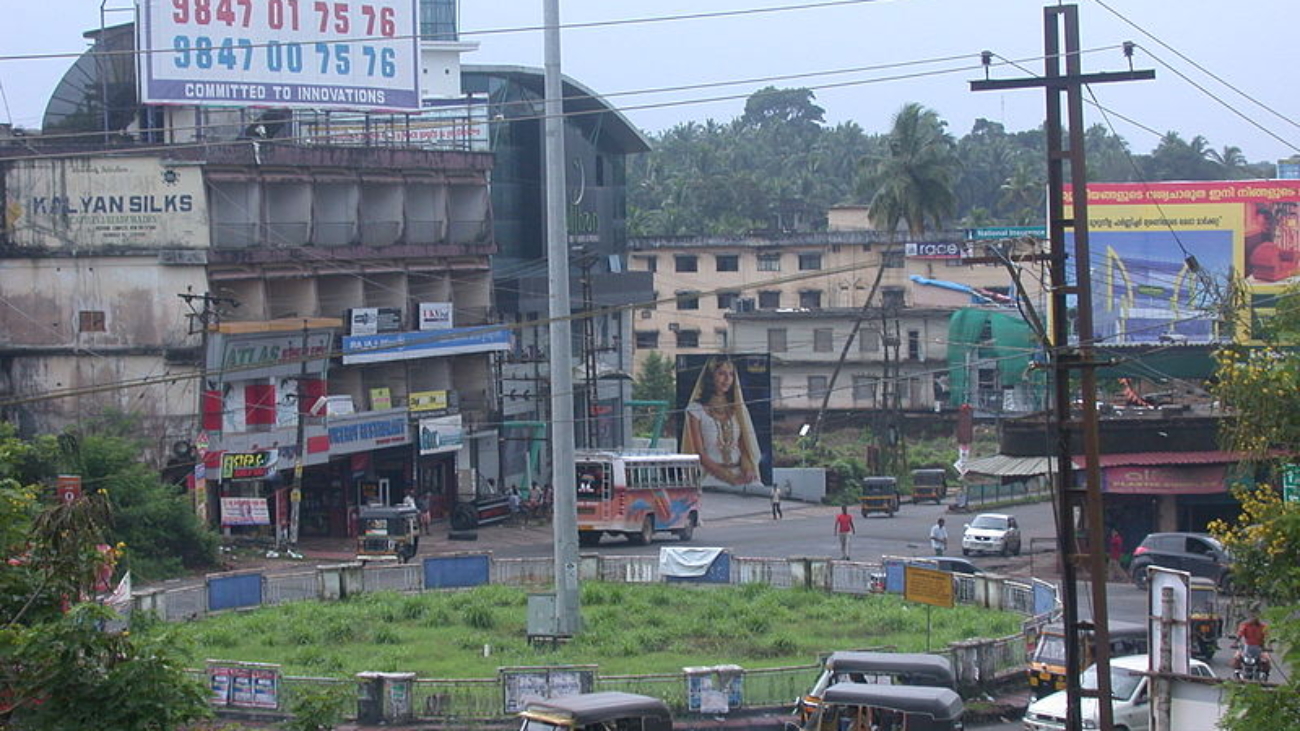
Kasaragod, Kerala’s northernmost district, stands at the intersection of multiple cultures, languages and landscapes. From the fort at Bekal to the spice-growing highlands and the backwaters of Valiyaparamba, the district possesses powerful natural and cultural assets. Yet its annual economic output, at around ₹8,000–10,000 crore, remains well below its potential. By 2047, Kasaragod can transform into a ₹45,000 crore high-performance district economy driven by agro-value chains, coastal fisheries, tourism, logistics and modernised small industries. The key is to organise these strengths into measurable growth pillars supported by data-driven governance.
Agriculture must anchor Kasaragod’s transformation. The district’s plantations of arecanut, cashew, coconut, pepper and banana produce significant volumes, but value addition remains low. Today, agro output contributes roughly ₹4,000 crore, with much of the produce leaving the district unprocessed. By establishing agro-processing parks equipped with cold storage, essential-oil extraction lines, oleoresin labs and automated grading systems, Kasaragod can increase local processing to 60–70 percent of produce. This shift can raise agro-value to ₹14,000–15,000 crore by 2047. Cashew processing, in particular, can be scaled to ₹3,000 crore through mechanised roasting, automated peeling and export branding. Coconut-based industries can grow into a ₹4,000–5,000 crore cluster with virgin coconut oil, coir composites and food-grade coconut products. Digital traceability and soil-monitoring systems can raise farmer incomes by 20–30 percent over the next decade.
Coastal and fisheries development forms the second major pillar. The district has a long coastline with active fishing communities, but the absence of modern cold-chain systems results in 10–12 percent post-harvest losses. By equipping landing sites with quick-freeze units, ice plants, compliant processing facilities and blockchain-based traceability, Kasaragod can reduce losses to under 3 percent. This alone will raise profitability and create better market access. With these upgrades, seafood exports can rise to ₹1,200–1,800 crore annually by 2047. Upgraded harbours and transport links can support year-round employment and strengthen allied industries like boat repair, net making and marine equipment manufacturing.
Tourism is Kasaragod’s most visible yet under-leveraged asset. Bekal Fort attracts steady footfall, while Ranipuram, Valiyaparamba, Kanhangad, Nileshwar and nearby cultural hubs offer immense potential for expansion. Current tourism activity is valued at around ₹1,000–1,200 crore, but facilities and visitor management systems remain limited. By 2047, the district can achieve tourism output of ₹8,000–10,000 crore through structured heritage circuits, eco-trails, wellness retreats and blue-tourism experiences. Bekal can become a world-class heritage destination supported by smart visitor systems, multilingual guides and high-quality amenities. Ranipuram can be developed as Kerala’s signature hill-ecotourism zone with strict carrying capacity controls and environmental monitoring. Backwater tourism centered on Valiyaparamba can feature clean-energy houseboats, regulated routes and curated local experiences. With these reforms, average tourist spending can rise to ₹7,500–10,000 per visitor.
Logistics and coastal manufacturing must evolve in parallel to support economic diversification. Kasaragod sits on NH66 and the coastal rail corridor, giving it natural access to markets in Karnataka and Kerala. Upgrading minor port facilities and establishing multimodal logistics hubs near Kanhangad and Nileshwar can help the district handle 3–4 million tonnes of cargo annually. With improved warehousing, bonded logistics and automated weighbridges, freight-handling times can reduce by 30 percent. This, in turn, can reduce logistics costs for local industries by 12–15 percent and attract new manufacturing units focused on light engineering, packaging and agro-processing. Port-led development can also support small exporters of spices, seafood and handmade products.
Modernisation of small and medium enterprises is another core requirement. Kasaragod’s MSMEs are active in coir, handloom, cashew, wooden crafts and natural-fibre goods, but face limitations in design, quality certification and global market access. By 2047, SME output can rise to ₹6,000–8,000 crore if units adopt digital manufacturing tools, standardised packaging, CNC-based fabrication and export compliance protocols. Shared manufacturing facilities with common testing labs, tool rooms and finishing lines can help smaller units achieve scale. With better design training and international marketing, Kasaragod’s handloom and coir products can secure premium global markets.
Climate resilience and environmental management will shape long-term sustainability. Kasaragod is vulnerable to coastal erosion, monsoon variability and water stress. Installing tidal gauges, erosion sensors, coastal barriers and water-quality telemetry systems can protect coastal communities and tourism hubs. Distributed renewable energy of 300–400 MW—through rooftop solar, small solar farms and hybrid wind systems—can make the district more energy-secure while reducing industrial power costs. Waste management must shift toward decentralised treatment systems to ensure that 70 percent of municipal waste is processed without leaking into rivers and backwaters.
Human capital development underpins every pillar of growth. Kasaragod will require 1.2–1.5 lakh skilled workers across agro-processing, fisheries technology, hospitality, logistics, coir engineering and digital services. Sectoral training hubs should be established in Kanhangad, Kasaragod town and Nileshwar, offering practical apprenticeships with 70–75 percent placement rates. Targeted programs for tribal and coastal communities can help integrate them into the district’s new economic networks, increasing income and reducing inequality.
If executed with disciplined governance and data transparency, Kasaragod can achieve the following outcomes by 2047: district GDP rising to ₹45,000 crore, exports reaching ₹5,000–6,000 crore, tourism value crossing ₹10,000 crore, MSME output exceeding ₹7,000 crore and more than 1.2 lakh new jobs created. Kasaragod has the potential to become Kerala’s northern gateway of prosperity—a district where agriculture is modern, tourism is world-class, industries are competitive, and development remains anchored in environmental and cultural integrity.
