
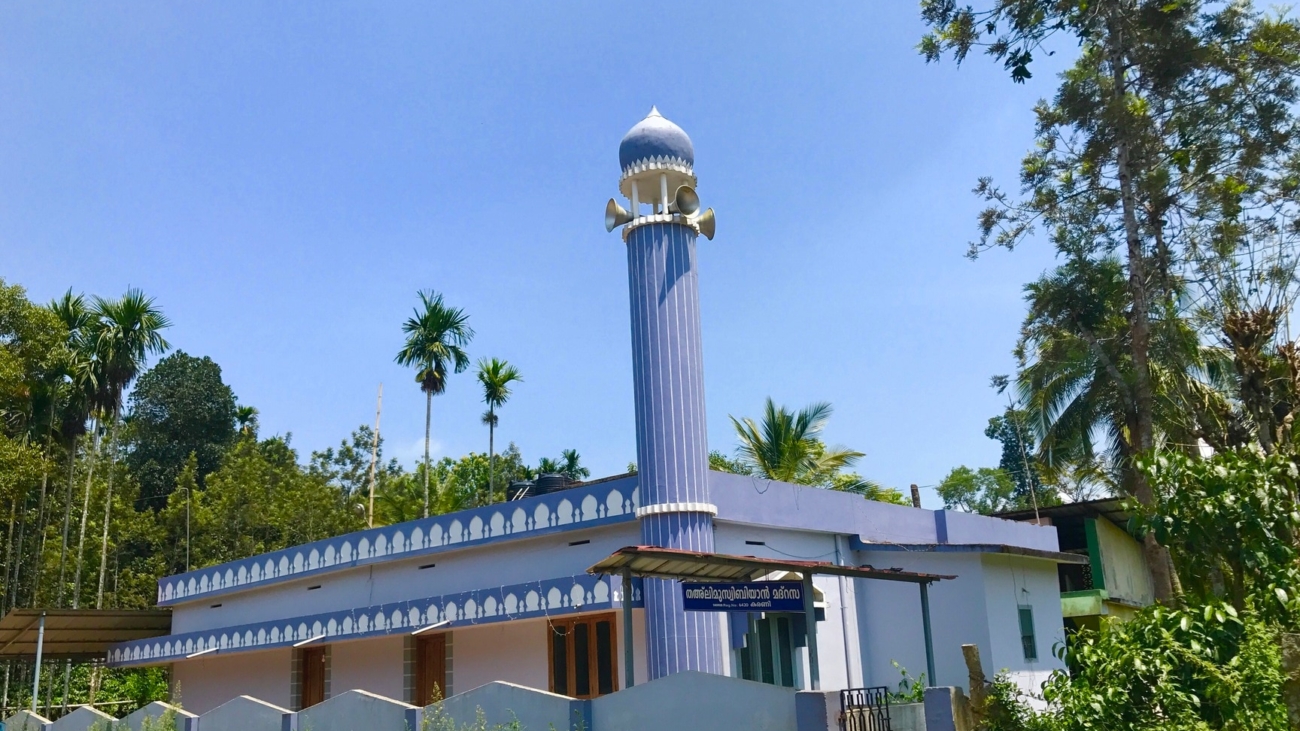
Education within Kerala’s Muslim community has historically developed along parallel tracks, with madrasas focusing on religious learning and formal schools and colleges handling secular education. While both systems have produced valuable outcomes, the lack of structured integration has limited the ability of students to move confidently between spiritual grounding and modern knowledge systems. As Kerala moves toward 2047, integrating madrasa education with contemporary curricula and upskilling teachers is essential for building confident, employable, and socially rooted Muslim youth.
Madrasas remain important social institutions that provide moral education, language skills, and community cohesion. For many families, they are trusted spaces where children develop discipline, ethical frameworks, and a sense of belonging. However, when madrasa education remains disconnected from modern pedagogical methods and emerging knowledge areas, students may face challenges in higher education and employment. This program does not seek to dilute religious education, but to enhance its relevance in a rapidly changing world.
The first step in integration is curriculum alignment. Core religious studies can coexist with foundational exposure to mathematics, science literacy, digital awareness, environmental studies, and civic understanding. Carefully designed bridge modules allow students to relate ethical principles to real-world issues such as technology use, economic responsibility, public health, and climate change. This creates continuity rather than conflict between belief systems and modern life.
Teacher upskilling is the most critical lever for change. Many madrasa teachers possess deep subject knowledge but have limited access to modern teaching methods, assessment tools, and digital resources. Structured professional development programs can introduce learner-centric pedagogy, classroom management techniques, and technology-assisted teaching. When teachers feel confident and respected as professionals, institutional transformation follows naturally.
Language proficiency is a key focus area. Strengthening English and Malayalam communication skills alongside Arabic enables students to access higher education, research, and employment opportunities. Teachers trained in bilingual or multilingual instruction can help students transition smoothly into mainstream academic environments without losing linguistic or cultural roots.
Digital integration offers significant opportunities. Madrasas can adopt smart classrooms, online resource libraries, and blended learning models that extend learning beyond physical walls. Digital tools also allow guest lectures, virtual exchanges, and exposure to global scholarship. For students in rural or underserved areas, this access can be transformative.
Assessment systems need thoughtful reform. Traditional memorisation-based evaluation can be complemented with project work, discussions, and applied learning exercises. These methods encourage critical thinking, articulation, and problem-solving while remaining respectful of religious content. Certification aligned with recognised educational frameworks improves mobility for students pursuing further studies.
Career guidance and counselling are often missing in madrasa settings. Integrating structured guidance programs helps students and parents understand academic pathways, vocational options, and emerging fields. Exposure to role models who have successfully balanced religious education with professional achievement broadens aspiration without creating identity conflict.
Institutional collaboration strengthens outcomes. Partnerships between madrasas, schools, colleges, universities, and skill development centres allow credit transfer, joint programs, and teacher exchanges. Such collaboration reduces isolation and builds mutual respect between different educational streams within Kerala’s ecosystem.
Community engagement is essential for acceptance. Parents, religious leaders, and managing committees must be involved in program design and implementation. Transparent communication about objectives and safeguards reassures stakeholders that integration enhances rather than undermines core values. When communities see improved student outcomes, support deepens.
Women’s education benefits significantly from this approach. Integrated madrasa education with modern skill exposure expands opportunities for girls while maintaining culturally comfortable learning environments. Trained female educators become powerful role models, encouraging continuity of education beyond early years.
Financial sustainability must be addressed. Government support, philanthropic funding, and community contributions can be pooled to upgrade infrastructure, train teachers, and develop learning materials. Performance-linked funding ensures accountability while avoiding excessive bureaucratic burden.
From a Kerala Vision 2047 perspective, integrating madrasa education strengthens human capital without creating parallel societies. It ensures that ethical grounding and modern competence reinforce each other. For the Muslim community, it builds confidence that tradition and progress can coexist productively.
By 2047, success would be evident in madrasa graduates entering universities, technical institutes, and professions with ease, while remaining culturally rooted and socially responsible. Teachers would be recognised as skilled educators equipped for modern classrooms. Madrasas would stand as inclusive knowledge institutions contributing meaningfully to Kerala’s educational landscape.
