
Kottarakkara taluk, historically recognised as one of the cultural and agricultural centres of Kollam district, is strategically located at the midpoint between the coast and the highlands, with strong transport linkages to Thiruvananthapuram, Kochi and Tamil Nadu. Its road and rail connectivity, semi-urban density, abundant midland agricultural resources and active small-scale industrial base provide a strong foundation for a manufacturing transformation by 2047. With a projected population of 7–7.5 lakh and a working-age population of nearly 4.3 lakh by that year, the taluk can realistically evolve into a ₹12,000–₹13,500 crore manufacturing economy, significantly expanding beyond its current micro-enterprise–dominated industrial footprint. Kottarakkara’s potential lies in its ability to integrate agro-resources, engineering skills, logistics advantages and urbanisation trends to create diversified, high-productivity industrial clusters.
The first major pillar of Kottarakkara’s industrial future is the development of a Midland Agro-Processing, Spice & Functional Foods Cluster. The taluk’s plantations and farmlands produce pepper, ginger, turmeric, vegetables, jackfruit and tubers, all of which can be converted into high-value products. A dedicated 35-acre processing park, equipped with dehydration, freeze-drying, spice distillation, extrusion lines, fruit pulping units and ready-to-cook food facilities, can process 2,00,000 tonnes of raw produce annually by 2047. This sector can generate ₹2,500–₹3,000 crore in turnover and create 20,000 direct jobs, especially for women and small entrepreneurs. With rising demand for functional foods, spice blends and plant-based nutrition products in India and abroad, Kottarakkara will be well-positioned to become a major supplier to Kerala’s domestic retail chains and the Gulf markets. Strong cold-chain linkages, AI-driven sorting systems and cluster-level quality standardisation will ensure global competitiveness.
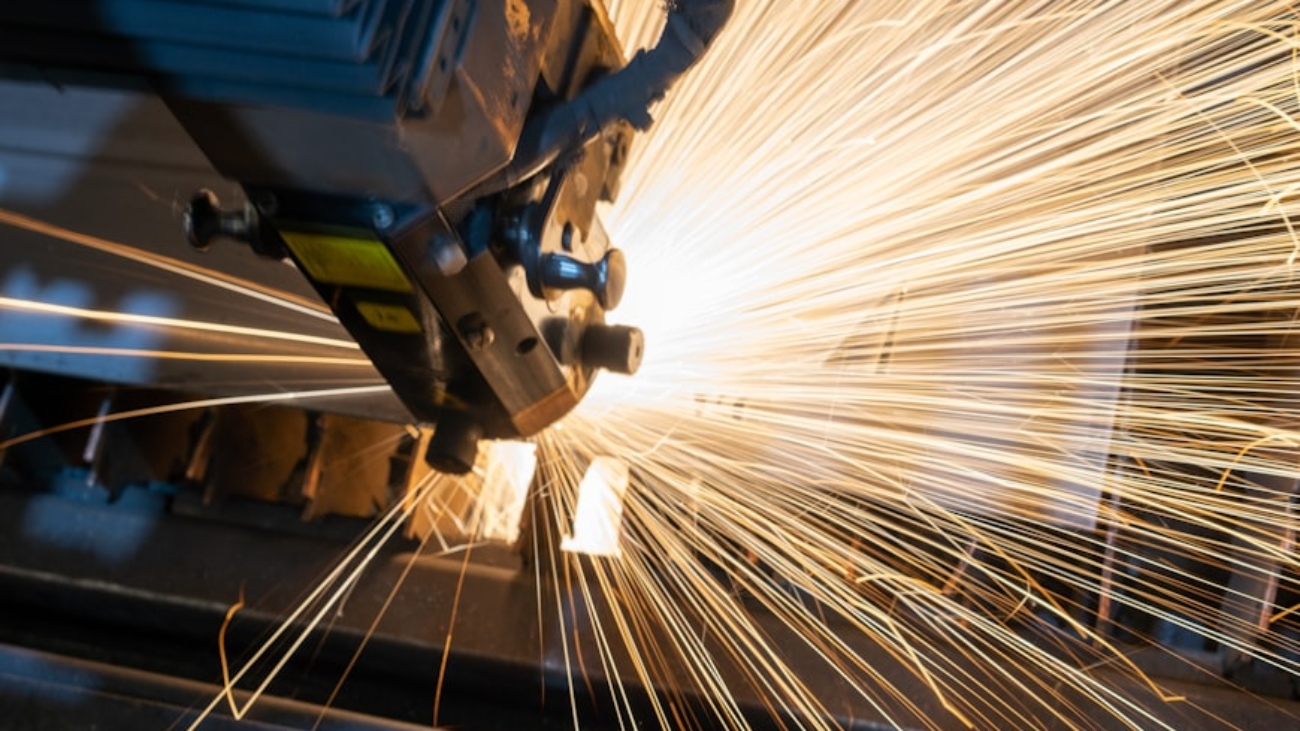
Kottarakkara also has a strong legacy in metalworking and fabrication, which can be scaled into a Machinery, Tools & Light Engineering Hub serving Kerala’s micro-industrial and agricultural sectors. By 2047, the state will require thousands of small-scale machines—from agro-processing tools and construction mini-equipments to solar mounting kits and workshop machinery. The taluk can develop a 25-acre engineering cluster focused on welding systems, CNC workshops, metal forming, die-making and precision machining. This cluster can produce 40,000–50,000 small industrial machines annually, supporting ₹2,000–₹2,200 crore in output and creating 15,000 direct jobs. The hub can also manufacture spare parts for Kerala’s large MSME sector, enabling import substitution and enhancing local repair capabilities. Many Gulf-return technicians, already experienced in fabrication and maintenance, can form the backbone of this cluster’s skilled workforce.
Given its position at the centre of Kollam district, Kottarakkara can host a Rubber-Based Engineering & Materials Cluster, drawing from rubber-rich neighbouring taluks like Pathanapuram and Punalur. By 2047, this cluster can produce industrial gaskets, medical gloves, automotive bushings, EV sealing components, hoses, footwear materials and other rubber-engineered goods. With automated compounding lines, moulding machines, and materials testing labs, the cluster can achieve ₹2,000–₹2,500 crore in annual turnover while generating 15,000–18,000 jobs. Rubber scrap can be channelled into circular products such as flooring tiles, insulation materials and composites. With proper R&D linkages, Kottarakkara can evolve into a value-added rubber products hub that supports Kerala’s growing renewable energy and electric mobility sectors.
A transformative opportunity lies in establishing a Digital Electronics, LED Systems & Smart Devices Park. The taluk’s proximity to Thiruvananthapuram’s IT ecosystem and Kollam’s growing industrial base makes it an ideal midpoint for small-scale electronics assembly. By 2047, the park can produce 40–50 lakh units annually, including LED lighting systems, IoT sensors, micro-controllers, control panels, smart home devices and simple consumer electronics. With an anticipated ₹1,500–₹1,800 crore output, this cluster can provide 10,000 direct jobs for diploma graduates and trained technicians. Automation-enabled assembly lines will allow for high productivity despite space constraints, and the cluster’s output can feed into Kerala’s government procurement systems, tourism infrastructure and construction sectors.
In addition to technology-heavy manufacturing, Kottarakkara has a cultural and artisanal tradition that can be expanded into a Craft-Tech, Furniture & Interior Manufacturing Zone. With rising demand for boutique furniture, bamboo-wood composites, modular interior fittings, eco-friendly panels and handicraft-based premium products, this zone can contribute ₹800–₹1,000 crore annually by 2047. The integration of CAD design studios, CNC carving, laser cutting and 3D prototyping will help artisans upgrade to modern markets. Around 8,000–10,000 jobs can be generated, many of them suited for young designers, carpenters and craft-based entrepreneurs.
To enable all these clusters, Kottarakkara must establish a strong District-Central Logistics & Industrial Support Park, ideally near the MC Road–Kottarakkara junction. This 30-acre logistics facility can host bonded warehouses, 50,000 pallet storage capacity, 4,000 tonnes of cold storage, packaging units, digital freight management centres and small container-handling yards. With these facilities, the current logistics penalty of 10–14 percent can be reduced to 5–6 percent by 2047, saving industries nearly ₹300–₹400 crore annually. The park will also connect Kottarakkara’s manufacturing units to Vizhinjam port, Kollam port and key consumption centres across south Kerala.
Human capital development is central to this vision. By 2047, Kottarakkara should train 12,000–14,000 technicians annually, along with 5,000 diploma graduates across fields such as materials engineering, electronics assembly, rubber technology, agro-processing, machining and digital fabrication. A Kottarakkara Institute of Industrial Skills & Technology (KIIST) can anchor this transformation, functioning as a specialised centre for Industry 4.0 training, automation, food safety, quality testing, export compliance and industrial maintenance. Continuous upskilling pathways for Gulf-return workers will enable them to become supervisors, unit owners and cluster coordinators.
Digital transformation must become the foundation of the taluk’s economy. A Kottarakkara Manufacturing Digital Grid can connect more than 1,300 enterprises, allowing them to share machines, pool raw materials, access designs and prototypes, and perform AI-driven quality checks. Such a system can raise productivity by 20–30 percent across the taluk and create strong supply-chain linkages with Kollam, Kottayam and Thiruvananthapuram.
Sustainability must guide every cluster. By 2047, at least 70 percent of industrial energy consumption must come from renewable sources through rooftop solar, micro solar farms and district-level energy storage. Water reuse across clusters must touch 80 percent, and all industrial zones must follow zero-liquid-discharge norms. A circular materials park processing 25,000 tonnes annually of mixed industrial waste—rubber scrap, bamboo waste, wood offcuts, agro-residue and packaging waste—can supply recycled feedstock back into the clusters.
If implemented systematically, Kottarakkara can emerge as central Kerala’s inland manufacturing powerhouse by 2047. With ₹12,000–₹13,500 crore in annual industrial output, 70,000–80,000 direct jobs, strong logistics, digital integration and a low-carbon industrial base, the taluk can redefine its economic identity. The transformation will stabilise incomes, create entrepreneurial pathways, attract investments and balance Kollam district’s manufacturing geography by giving its midland region a robust, future-ready industrial engine.
