
Kunnathur taluk, positioned at the northern inland edge of Kollam district and strategically located between Karunagappally, Kayamkulam and Kottarakkara, is uniquely placed to become one of Kerala’s strongest midland manufacturing hubs by 2047. The taluk combines agricultural abundance, semi-urban clusters, strong connectivity along the MC Road and proximity to two major industrial corridors—Kollam and Alappuzha. With a projected population of 6.5–7 lakh by 2047 and a working-age base of nearly 4 lakh, Kunnathur has the land, workforce and economic diversity to grow into a ₹10,000–₹12,000 crore annual manufacturing economy, a major leap from its current micro-industrial base. The vision for Kunnathur must integrate agro-value chains, green materials, engineering, renewable components and rural industrialisation into a balanced, climate-resilient industrial ecosystem.
The first pillar of this transformation is a Midland Agro-Processing and Functional Foods Mega Park, leveraging the region’s strong production of banana, peanut, vegetables, spices, jackfruit, pulses and tubers. A 35-acre integrated park located between Sasthamcotta and Poruvazhy can host dehydration units, extrusion lines, freeze dryers, spice distillation centres and ready-to-cook product facilities. By 2047, the cluster can process 1,80,000 tonnes of raw agricultural produce annually, generating ₹2,500–₹3,000 crore per year and creating 20,000 direct jobs, especially for women and youth. With Kerala’s rising demand for minimally processed foods, plant-based snacks, nutrition powders and spice blends, Kunnathur can become one of the largest inland food-processing powerhouses in the state. Cold-chain consolidation, AI-assisted grading and a cluster-wide quality regime will allow farmers and small units to reach domestic and Gulf markets with consistency.
The second major pillar is a Rubber, Polymers & Specialty Materials Cluster, drawing from the rubber-rich highland regions of Pathanapuram and Kottarakkara, which naturally flow into the Kunnathur economy. With automated compounding lines, moulding systems, testing labs and clean processing facilities, the taluk can manufacture a wide range of products—auto components, gaskets, EV bushings, medical gloves, footwear materials, hoses, conveyor elements and specialty rubber sheets. By 2047, this cluster can achieve ₹2,000–₹2,300 crore in annual turnover while generating 15,000 direct jobs. The cluster can be linked to EV mobility markets and Kerala’s renewable-energy installations, which require rubber-based sealing and insulation components. A circular model can convert rubber scrap into flooring materials, construction composites and insulation boards, ensuring sustainability.
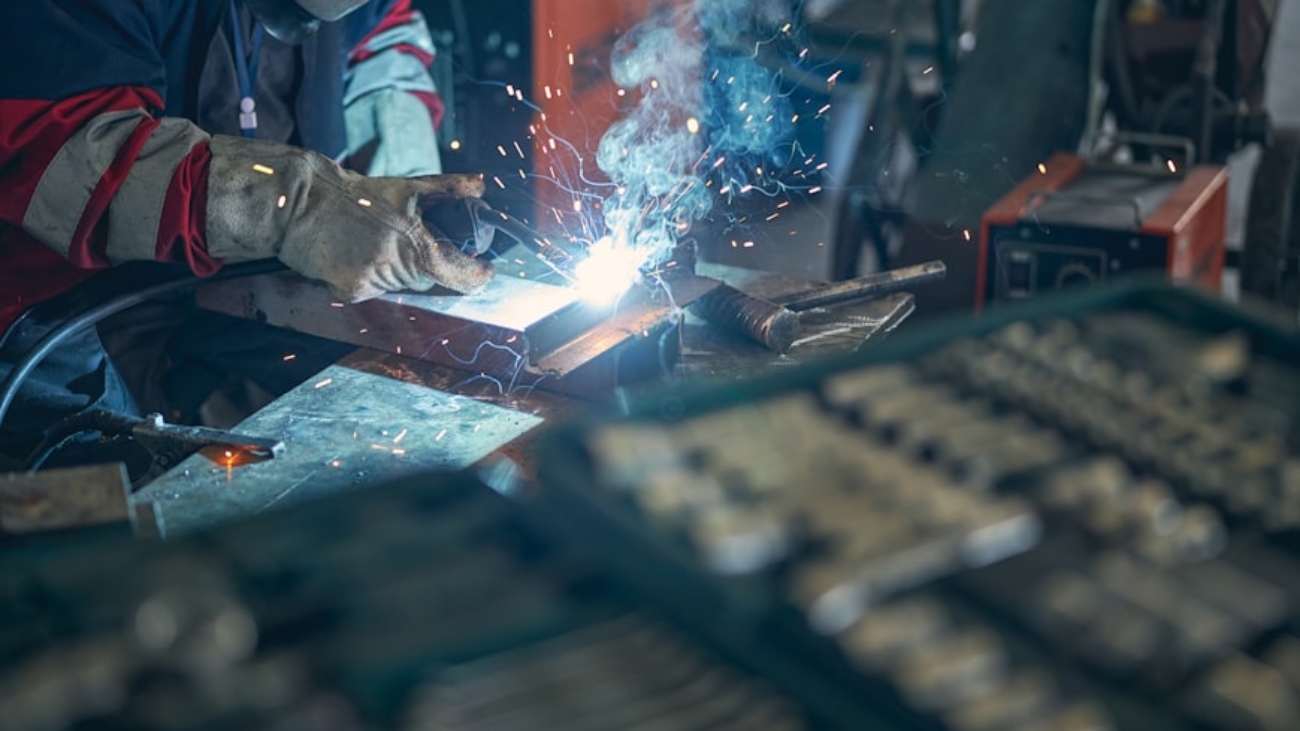
Kunnathur’s geographic position also makes it suitable for a Midland Engineering, Fabrication & Small Machinery Hub. With many Gulf-return technicians, metal workshops and local fabrication units already active, the taluk can scale into a 25-acre engineering zone producing agro-machinery, workshop tools, food-processing machines, solar mounting kits, pump casings, metal frames and modular construction hardware. By 2047, this hub can generate ₹1,500–₹1,800 crore annually and provide 12,000–15,000 direct jobs. With CNC machines, welding robots, powder-coating lines and industrial design studios, Kunnathur can supply machinery not only to Kollam district but also to Alappuzha, Pathanamthitta and Thiruvananthapuram. A specialised training centre for robotics-assisted fabrication and industrial maintenance can further strengthen workforce readiness.
Given its proximity to Sasthamcotta Lake—the largest freshwater lake in Kerala—the taluk can lead in water-related innovation. A Water-Tech, Environmental Engineering & Green Materials Cluster can be established near Sasthamcotta, focusing on filtration systems, water-quality sensors, rural water-purification devices, eco-bricks, recycled aggregates, and green construction materials. With climate change increasing demand for resilient, sustainable infrastructure, such a cluster can generate ₹1,000–₹1,200 crore annually by 2047 while creating 8,000–10,000 jobs. Green cement blocks, low-carbon tiles, biodegradable construction materials and recycled plastic composites can be produced to serve Kerala’s construction market, which will continue to expand.
Another emerging sector is Digital Electronics, Assembly & Smart Devices Manufacturing, leveraging the taluk’s proximity to Karunagappally’s electronics corridor and Kollam’s industrial belt. By hosting 40–50 MSMEs assembling LED systems, sensors, CCTV units, small appliances, and micro-electronics, Kunnathur can produce 30–40 lakh devices annually. This cluster can contribute ₹1,200–₹1,500 crore in output and create 8,000–10,000 jobs. Clean energy and automation can reduce operating expenses, allowing units to remain competitive despite smaller footprints. The cluster will also support Kerala’s rooftop solar ecosystem through the assembly of charge controllers, micro-inverters and monitoring systems.
To unlock the full manufacturing potential of the taluk, a Kunnathur Inland Logistics & Industrial Services Park must be established on 20–25 acres near the MC Road corridor. The facility should include bonded warehouses, 40,000 pallet storage spaces, 3,000 tonnes of cold storage, packaging units, and a digital freight operations centre. Today, industries in the taluk face a 10–13 percent logistics cost penalty due to fragmented supply chains. By 2047, these inefficiencies can be reduced to 5–6 percent, saving ₹250–₹300 crore annually. This logistics park will directly connect Kunnathur’s manufacturing output to Vizhinjam port, Kollam port, Alappuzha markets and the national highway network.
Human capital will shape the speed and scale of this industrial transformation. The taluk must aim to train 12,000 technicians, 5,000 diploma graduates, and 20,000 skilled workers annually by 2047. A dedicated Kunnathur Industrial Skills & Technology Institute (KISTI) should anchor training in materials engineering, food safety, rubber technology, digital fabrication, environmental engineering and mechatronics. Gulf-return workers, who are abundant in this region, can be fast-tracked into supervisory roles, cluster coordinators or micro-enterprise owners with targeted skill-bridging programmes.
Digital transformation is essential for ensuring competitiveness, especially for MSMEs. A Kunnathur Manufacturing Digital Grid connecting 1,200 enterprises across agro-processing, engineering, rubber and electronics sectors can provide shared procurement, cloud-based production planning, AI-driven defect detection and access to national and international buyers. Studies show that digital integration can improve productivity by 20–30 percent, reduce wastage and shorten delivery cycles—critical factors for a midland taluk dependent on timely market access.
Sustainability must anchor every industrial decision. By 2047, at least 70 percent of Kunnathur’s industrial energy must come from renewable sources, primarily rooftop solar and small solar farms integrated with district-level storage. Water reuse in industrial clusters must reach 80 percent, and zero-liquid-discharge norms must be enforced, especially near Sasthamcotta Lake. A circular materials recovery facility capable of processing 20,000 tonnes per year of agro-waste, rubber scrap, plastic waste and construction debris can feed recycled materials back into cluster manufacturing.
If executed steadily and strategically, Kunnathur can evolve into one of Kerala’s strongest midland manufacturing regions by 2047. With ₹10,000–₹12,000 crore in annual output, 70,000–80,000 direct jobs, a diversified cluster landscape, deep circularity and strong digital connectivity, the taluk can reduce migration dependency, expand local incomes and anchor balanced industrial development across northern Kollam. This transformation will reposition Kunnathur as a central pillar in Kerala’s shift toward a resilient, innovation-driven and inclusive manufacturing economy.
