
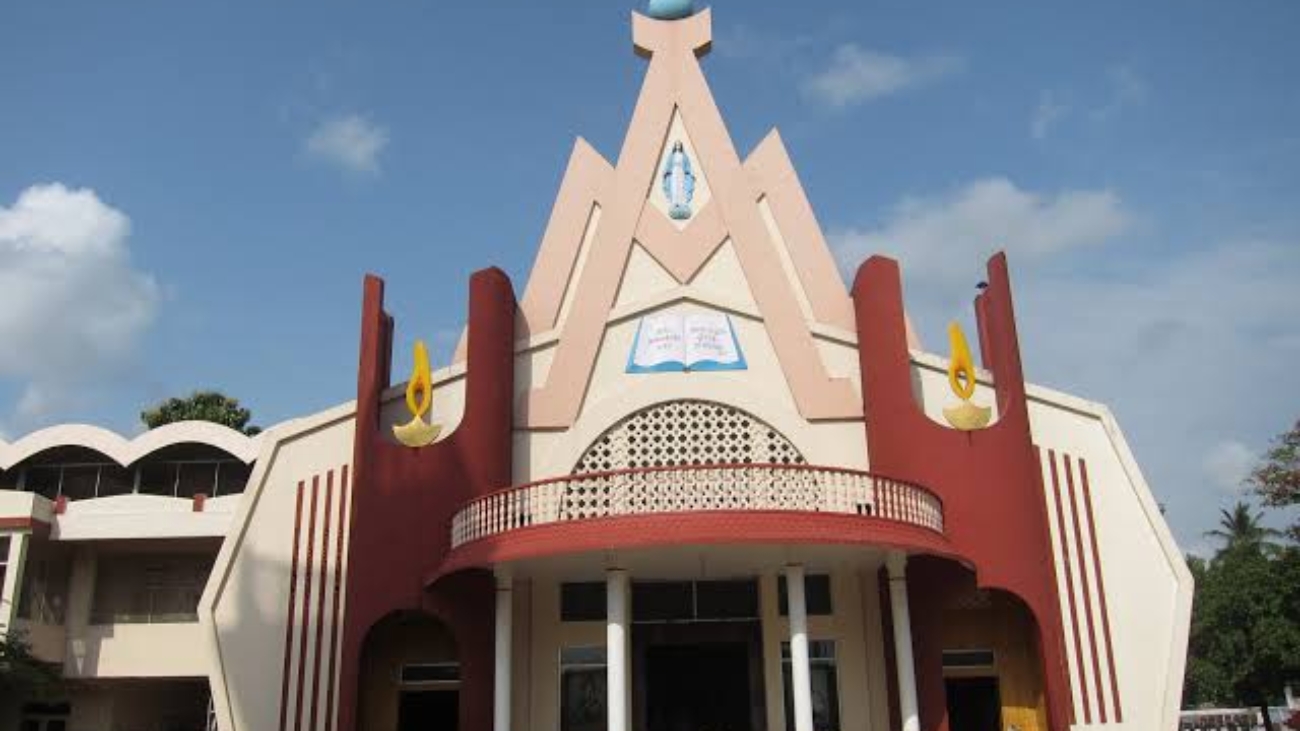
Chalakudy taluk—stretching from the fertile Chalakudy plains to the rainforest edges of Athirappilly, Vazhachal, Malakkappara and Sholayar—is one of Kerala’s most uniquely positioned economic geographies. It is simultaneously an agricultural belt, a tourism powerhouse, a forest–tribal livelihood zone, and a commercial corridor linking Kochi’s urban expansion with central Kerala’s markets. By 2047, Chalakudy can realistically evolve into a ₹9,000–₹11,000 crore annual manufacturing economy, powered by agro-processing, eco-tourism infrastructure, forest-based products, light engineering, high-value foods, hydropower-linked industries and green construction materials. With a projected population of 4–4.5 lakh, including 2.7 lakh working-age residents, Chalakudy has the demographic depth and ecological diversity to become Thrissur district’s most sustainable manufacturing node.
The most powerful industrial pillar for Chalakudy is the creation of a High-Value Agro-Processing, Spices & Specialty Foods Mega Cluster, leveraging large-scale cultivation of nutmeg, pepper, coconut, vegetables, banana, tubers and fruits across Mala, Pariyaram, Annamanada, Kodakara and the Athirappilly foothills. A 40-acre agro-tech park equipped with dehydration tunnels, freeze dryers, spice distillation labs, coconut-value addition units, fruit pulpers, snack-extrusion machinery, ready-to-cook lines and GI-based nutmeg processing can handle 1,40,000–1,60,000 tonnes of produce annually. By 2047, this cluster can generate ₹2,000–₹2,400 crore and create 18,000–22,000 jobs. With global demand rising for natural spices, dehydrated fruits, clean-label snacks and functional-nutrition food products, Chalakudy can become Kerala’s premium specialty-foods exporter.
The second major pillar of manufacturing growth is a Forest-Based Herbal, Ayurvedic & Natural Products Cluster, utilising the biodiversity corridors of Athirappilly, Vazhachal, Peringalkuthu and Sholayar. A 25-acre GMP-certified herbal industrial zone with essential-oil distillers, phytochemical labs, resin extractors, natural-ointment formulation units, herbal powdering lines and wellness-product packaging can generate ₹900–₹1,200 crore annually and employ 8,000–10,000 people. Tribal communities in Vazhachal and Sholayar can supply herbs, honey, wild turmeric, medicinal leaves and forest fibres, creating a regionally inclusive production chain.
Chalakudy’s emerging role as a tourism and recreation hub—anchored by Athirappilly waterfalls, Ezhattumugham, Thumboormuzhy, Kodassery highlands and forest viewpoints—makes it a strong candidate for a Sustainable Tourism Infrastructure, Eco-Build Materials & Resort Components Manufacturing Cluster. A 30-acre industrial hub can produce engineered bamboo, modular cottages, forest-compliant viewing decks, signage systems, rope-bridge components, elevated walkways, CNC-crafted furniture and resort interiors. By 2047, this cluster can generate ₹1,000–₹1,200 crore and support 10,000–12,000 jobs, establishing Chalakudy as Kerala’s eco-tourism infrastructure capital.
Hydropower facilities like Peringalkuthu, Sholayar and Athirappilly enhance the case for a Renewable Energy Components & Small Hydro Equipment Cluster. A 15-acre industrial zone with turbine subcomponent machining, control panel assembly, solar–hydro hybrid devices, LED systems, transformers auxiliaries and metering equipment can generate ₹600–₹800 crore annually and create 5,000–7,000 jobs. As small hydro and decentralised grids grow in India, Chalakudy can supply highland-compatible renewable-energy components.
Chalakudy’s strong automotive servicing culture and workshop clusters across Potta, Kodakara and Meloor allow the creation of a Light Engineering, Rural Machinery & Fabrication Cluster. A 20-acre engineering estate equipped with CNC machines, welding robots, sheet-metal fabrication, pump assembly, plantation-equipment manufacturing and agricultural tools production can generate ₹700–₹900 crore and support 6,000–8,000 jobs. Products can include pepper threshers, nutmeg dryers, coconut-lifter equipment, irrigation pumps, micro-hydro devices and rural-use machinery.
The presence of diverse artisan communities and local craft clusters supports a Handicrafts, Woodwork & Creative Production Hub, especially around Chalakudy town and the Kodungallur–Thrissur influence zone. A 10–15 acre craft-tech park hosting woodwork units, bamboo products, souvenirs, eco-friendly décor, handloom-fusion textiles and artisan workshops can generate ₹250–₹350 crore and offer 3,000–4,000 livelihoods, particularly for women.
Chalakudy’s riverfront, road network and proximity to Kochi’s trade corridors make it an optimal location for a Central Kerala Logistics, Cold-Chain & Food Export Services Park near Chalakudy–Potta–Kodakara. A 30-acre logistics complex with 15,000–20,000 pallet spaces, 2,000 tonnes of cold storage, packaging units, testing labs, spice-sterilisation systems, bonded warehouses and digital freight-management can reduce logistics costs from 10–12 percent to 6 percent. This can save ₹120–₹150 crore annually, benefiting agro-processing, tourism, and herbal clusters.
Human capital development must be the backbone of Chalakudy’s Vision 2047 transformation. The taluk must train 12,000–14,000 people annually across agro-processing technology, herbal sciences, packaging engineering, CNC machining, eco-tourism materials fabrication, renewable energy systems, food safety, QA/QC, automation and rural machinery maintenance. A specialised Chalakudy Institute of Sustainable Manufacturing & Agro Technologies (CISMAT) should anchor R&D, skill development and industry incubation. Tribal communities should receive reserved training pathways to integrate them into herbal and eco-material industries. Women, particularly in food-tech and herbal sectors, should represent at least 45 percent of the workforce.
Digital transformation is essential for Chalakudy’s multi-sector ecosystem. A Chalakudy Manufacturing Digital Grid, connecting 1,000–1,200 MSMEs, can enable AI-based spice grading, forest-product traceability, predictive maintenance of machinery, cloud-based production scheduling, e-commerce integration for crafts, digital quality certification, logistics route optimisation and renewable-energy monitoring. With digitisation, productivity can rise by 20–30 percent, especially in agro-processing and herbal clusters.
Sustainability must define Chalakudy’s industrial identity. By 2047, the taluk should achieve 80–85 percent renewable-energy adoption, powered by solar–hydro hybrids, rooftop solar, biomass from agro-waste and community battery storage. Industrial water reuse should exceed 85 percent in food-tech, herbal and eco-material industries. A circular materials recovery facility processing 10,000–12,000 tonnes of agro waste, timber scrap, forest residue, packaging waste and plastic annually can produce compost, eco-boards, biomass briquettes, natural-fibre composites and recycled packaging.
If implemented with ecological sensitivity, institutional coordination and high-range–plains integration, Chalakudy can emerge as Kerala’s leading eco-industrial taluk by 2047. With ₹9,000–₹11,000 crore in annual manufacturing output, 80,000–95,000 direct jobs, and leadership in high-value foods, herbal products, tourism infrastructure, renewable-energy components, creative crafts and rural machinery, Chalakudy can redefine sustainable industrialisation for forest-adjacent regions. Its rise will strengthen Thrissur’s role as a central manufacturing district while protecting the environmental richness of the Chalakudy river valley.
