
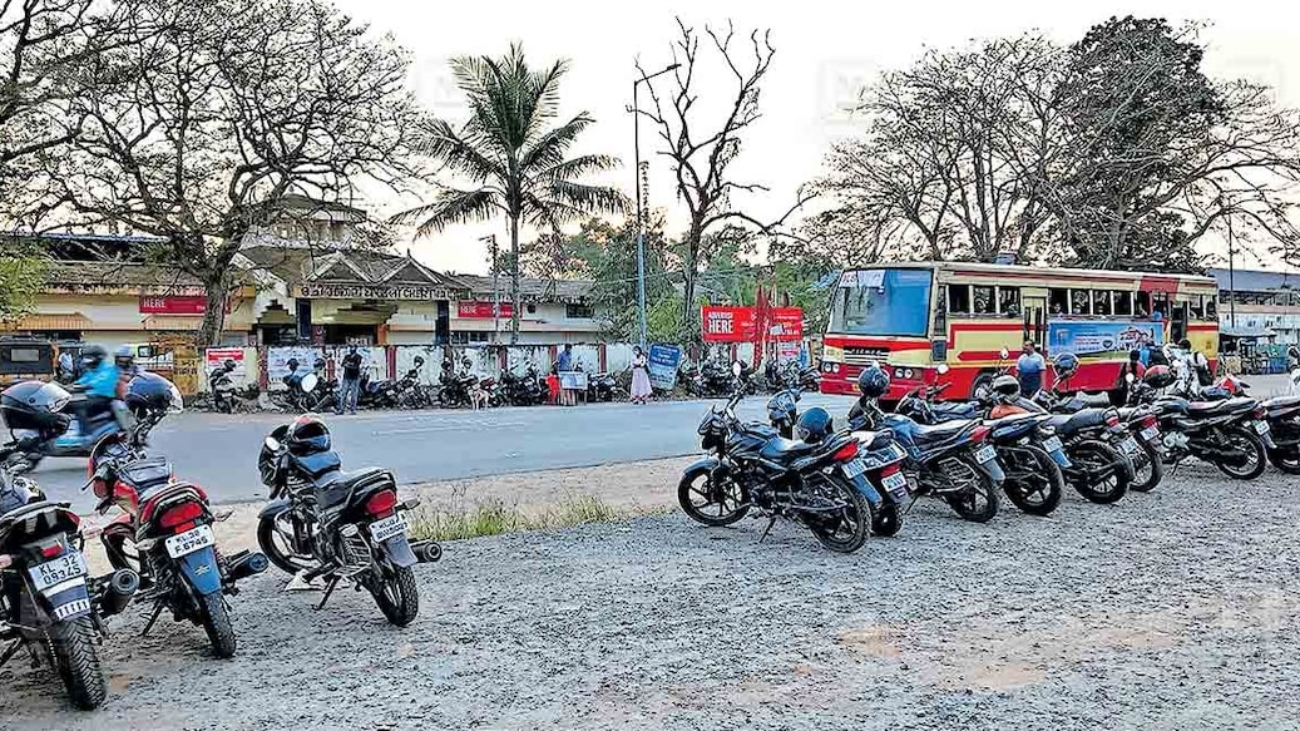
Cherthala taluk—positioned at the northern edge of Alappuzha district and directly linked to Kochi’s fast-expanding industrial–innovation ecosystem—is one of Kerala’s most naturally advantaged regions for high-value manufacturing. With its coastal belt, backwaters, proximity to national highways, tourism hotspots, coir-producing villages, and skill-rich population, Cherthala can become a major industrial node by 2047. The taluk’s projected population of 7–7.5 lakh, including nearly 4.2 lakh working-age residents, provides the human capital needed for rapid scaling. By 2047, Cherthala can realistically evolve into a ₹12,000–₹15,000 crore annual manufacturing economy, driven by electronics, renewable energy, marine processing, coir-tech, agro-processing, and advanced materials.
The first and strongest opportunity for Cherthala is the establishment of a Digital Electronics, Smart Devices & IoT Assembly Mega Cluster, leveraging its proximity to Kochi’s IT–electronics corridor and Cherthala’s growing engineering workforce. A 40-acre electronics park can host 60–80 MSMEs assembling LED systems, smart-home devices, micro-controllers, CCTV kits, marine sensors, medical electronics, solar monitoring hardware, power electronics, and consumer devices. By 2047, the cluster can produce 50–60 lakh devices annually, generating ₹3,000–₹3,500 crore in output and creating 25,000 direct jobs. As Kerala moves toward widespread adoption of rooftop solar, home automation, water-management sensors, smart energy meters and coastal monitoring systems, Cherthala can become the primary inland supplier for the state’s technology transition.
A second major pillar is the development of a Coastal Marine Processing, Aquaculture & Blue Economy Cluster, anchored around the fishing communities of Aroor, Mararikulam and surrounding coastal belts. A 35-acre marine processing and value-addition complex with IQF freezing, automated filleting, shellfish processing, fish-oil extraction, collagen production, drying tunnels, and ready-to-cook seafood lines can process 70,000–80,000 tonnes of marine produce annually by 2047. This cluster can generate ₹3,500–₹4,500 crore in output and create 20,000–24,000 jobs. With the global nutraceutical and marine-protein market expanding rapidly, Cherthala can position itself as Kerala’s most competitive seafood exporter, supported by connectivity to Vizhinjam and Kochi ports.
Cherthala’s famous coir belt presents a third powerful opportunity—a Coir-Tech, Natural Fibres & Advanced Materials Cluster. Building on traditional expertise, a 25-acre modernised coir zone can host automated defibering units, fibre-cleaning systems, power looms, geotextile manufacturing, biodegradable packaging plants, coir–polymer composite units, and circular-economy product lines. By 2047, this cluster can generate ₹1,000–₹1,300 crore annually and support 12,000–15,000 direct jobs. Coir composites, erosion-control mats, biodegradable packaging, automotive non-wovens and eco-construction materials will have strong markets as global industries shift toward sustainable materials.
Cherthala is also perfectly placed for a Renewable Energy Components & Electrical Equipment Manufacturing Hub, supported by Kerala’s large-scale solar and green-energy expansion. A 25-acre industrial cluster can produce solar mounting structures, micro-inverters, wiring harnesses, distribution panels, LED lighting, charge controllers, tubular battery casings, and hybrid solar–wind system components. By 2047, this zone can generate ₹2,000–₹2,400 crore in output and provide 14,000–16,000 jobs. With Cherthala positioned between Kochi’s commercial belt and Alappuzha’s coastal grid, the taluk can become Kerala’s centre for electrical innovation and rooftop solar components.
Another emerging sector is the High-Value Agro-Processing & Functional Food Cluster, drawing agricultural produce from Cherthala’s midlands, the Kuttanad belt to the south, and Ernakulam markets to the north. A 20–25 acre food-tech park with dehydration units, fruit pulpers, rice-value-addition systems, spice distillation labs, solar dryers, and fermentation units can process 1,20,000–1,40,000 tonnes of produce annually. By 2047, this cluster can generate ₹1,500–₹1,800 crore in turnover and create 12,000 jobs. Cherthala-branded snacks, rice blends, herbal mixes and functional foods can find strong demand in Kerala, GCC markets and tourist channels.
Cherthala’s tourism corridor—from Marari Beach to Vembanad Lake—enables the creation of a Tourism Materials, Interiors & Sustainable Construction Cluster. A 20-acre fabrication and design hub can produce prefab resort interiors, heritage-style furniture, bamboo composites, modular construction panels, eco-friendly jetty components, signage, solar outdoor lighting, and water-resistant houseboat materials. By 2047, this sector can produce ₹800–₹1,000 crore annually and support 8,000–10,000 jobs. With tourism moving toward eco-friendly, small-format, design-heavy structures, Cherthala can supply both domestic and international demand.
To integrate all these industrial clusters, a Cherthala Coastal–Tech Logistics & Export Services Park is essential. Ideally located near the NH66 corridor, this 30-acre logistics facility should include 30,000 pallet spaces, 3,500 tonnes of cold storage, bonded warehouses, e-commerce fulfilment, electronics-testing labs, export packaging centres and a digital freight-management hub. Reducing logistics inefficiency from 10–12 percent to 5 percent can save Cherthala industries ₹200–₹250 crore annually. Waterway connectivity can further reduce transport costs for seafood, coir goods and agro-products.
Human capital development must be the backbone of Cherthala’s Vision 2047 strategy. The taluk needs to train 18,000–20,000 technicians annually across electronics, food processing, electrical engineering, coir-tech, marine processing, renewable-energy systems, QA/QC, CNC machining and industrial automation. A dedicated Cherthala Institute of Coastal Manufacturing & Technology (CICMT) can anchor this upskilling ecosystem. Gulf-return workers—abundant in Aroor, Cherthala and Mararikulam—must be transitioned into supervisory, fabrication, maintenance and entrepreneurial roles. At least 45 percent of the manufacturing workforce should be women, especially in food-tech, electronics assembly and coir composites.
Digital transformation will unify all industrial sectors. A Cherthala Manufacturing Digital Grid, connecting 1,400–1,600 MSMEs, can enable cloud-based production scheduling, predictive maintenance, AI-driven quality inspection, shared procurement systems, export documentation support and real-time supply-chain monitoring. With digitalisation, productivity can rise by 20–30 percent, making Cherthala one of Kerala’s most efficient manufacturing ecosystems.
Sustainability must form the core of Cherthala’s industrial identity. By 2047, the taluk must achieve 75–80 percent renewable energy penetration, utilising rooftop solar, canal-top solar, biomass and battery storage. Industrial water reuse rates must reach 80 percent, especially in seafood, coir and food-processing clusters. A circular materials recovery facility capable of handling 15,000–18,000 tonnes annually of coir waste, fish waste, agro residue and packaging materials can feed recycled inputs back into industries. Coastal green belts and climate-resilient infrastructure must be integrated to mitigate flooding, salinity intrusion and sea-level rise.
If executed with vision, strong governance and sustained investment, Cherthala can become one of Kerala’s most powerful coastal–industrial engines by 2047. With ₹12,000–₹15,000 crore in annual output, 90,000–1,00,000 direct jobs, major global-ready clusters in electronics, seafood processing, renewable energy components, and coir-tech, and a deep digital backbone, the taluk can redefine manufacturing in Alappuzha district. Cherthala’s rise will strengthen Kerala’s entire coastal economic belt and accelerate the state’s transformation into a resilient, export-oriented and innovation-driven manufacturing economy by 2047.
