
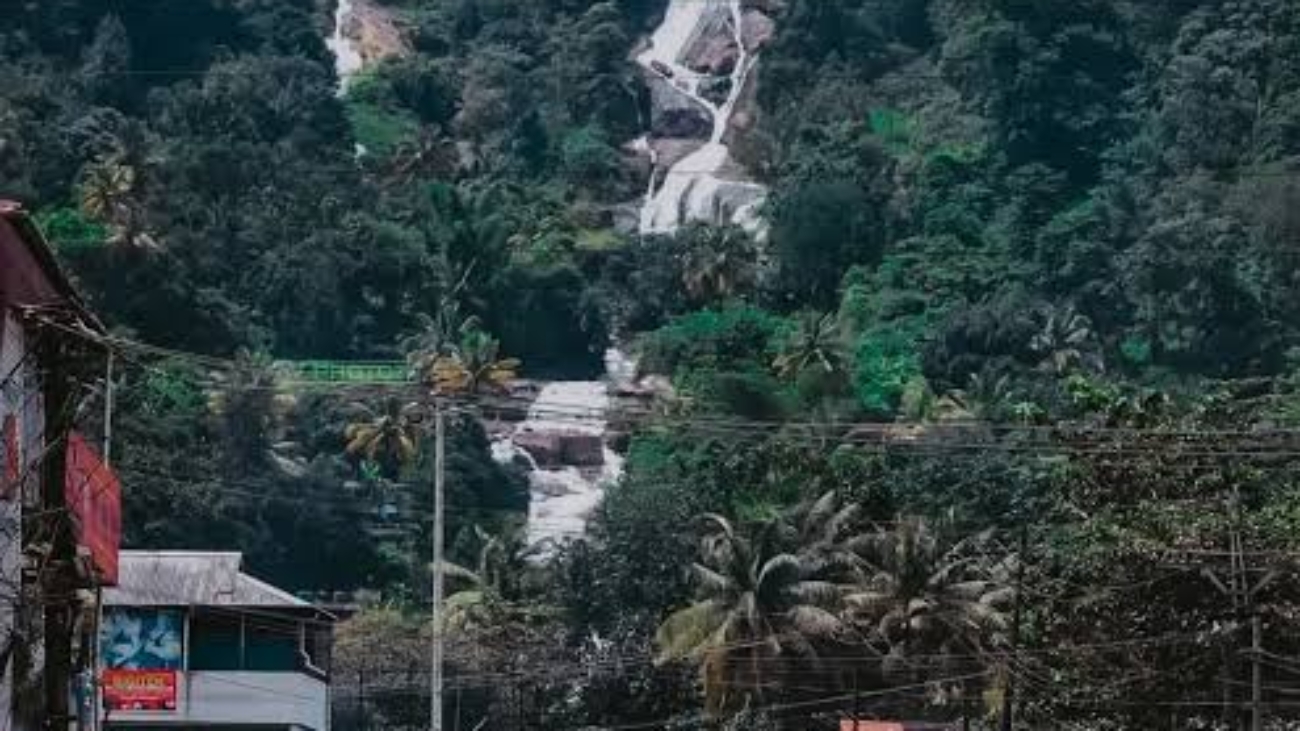
Idukki taluk—home to some of Kerala’s most iconic high-range landscapes, including the Idukki arch dam, Cheruthoni, and dense forest belts—is a region of exceptional ecological and developmental importance. Unlike the commercially dynamic belts of Thodupuzha or Kattappana, Idukki taluk’s economic identity is shaped by hydropower, forestry, tribal livelihoods, highland agriculture, wildlife conservation and eco-tourism. This gives the taluk a unique development trajectory: manufacturing must be sustainable, low-footprint, high-value, and climate-adaptive. By 2047, Idukki taluk can realistically evolve into a ₹7,000–₹9,000 crore annual manufacturing economy, anchored in green materials, herbal products, hydropower technologies, forest-based manufacturing, high-altitude agro-processing and eco-tourism infrastructure. With a projected population of 2.5–3 lakh, including around 1.6 lakh working-age residents, the taluk can build a knowledge-driven, eco-sensitive industrial ecosystem.
The biggest industrial opportunity for Idukki taluk is a Hydropower Components, Renewable-Energy Technologies & Grid-Management Manufacturing Cluster, leveraging the presence of major hydroelectric assets like Idukki, Cheruthoni and Kulamavu. A 25-acre renewable-energy engineering park with fabrication lines, electrical control-panel assembly, micro-hydro turbine machining, smart-grid sensor manufacturing, power-monitoring device assembly, and high-voltage safety-equipment production can generate ₹1,800–₹2,200 crore annually and create 12,000–15,000 direct jobs. As India rapidly expands hydropower and grid-modernisation projects, Idukki can become the state’s specialised supplier of highland renewable-energy components.
The second major pillar is a Forest-Based Herbal, Ayurvedic & Botanical Extracts Manufacturing Hub, drawing on the biodiversity of forest belts around Vazhathope, Painavu, Kanchiyar and portions of Periyar Tiger Reserve buffer zones. A 20-acre GMP-certified herbal cluster equipped with essential-oil distillers, resin extractors, phytochemical labs, solvent-extraction systems, drying tunnels and automated formulation units can produce herbal oils, resins, balms, botanical powders, nutraceutical extracts, wellness teas and ayurvedic intermediates. This sector can generate ₹900–₹1,200 crore annually and support 8,000–10,000 jobs, while giving local tribal communities structured supply-chain opportunities.
Idukki taluk’s climatic and geographic conditions favour a High-Altitude Agro-Processing & Specialty Foods Cluster, using produce from surrounding high-range villages. A 20–25 acre food-tech cluster equipped with dehydration tunnels, freeze dryers, sorting–grading systems, vegetable-cleaning lines, fruit pulpers and ready-to-cook processing units can handle 60,000–80,000 tonnes of agricultural produce annually. This sector can generate ₹700–₹900 crore in turnover and create 6,000–8,000 jobs. Specialty products—such as dehydrated greens, herbal vegetable mixes, wild honey, exotic fruits, preservative-free pickles and organic spices—can build a global reputation for high-altitude foods.
Given the landscape’s increasing vulnerability to landslides, erosion and extreme weather, Idukki taluk can lead Kerala’s climate adaptation sector through a Slope-Stabilisation, Geo-Engineering & Climate-Resilient Materials Cluster. A 15-acre industrial hub can manufacture geotextiles, slope anchors, soil-binding composites, modular flood barriers, drainage systems, erosion-control mats, climate-adaptive construction panels and waterproof infrastructure materials. By 2047, this cluster can generate ₹700–₹900 crore and provide 5,000–7,000 jobs. As Kerala invests heavily in highland safety infrastructure, Idukki can become the state’s centre for climate-risk engineering.
Idukki’s eco-tourism potential, driven by destinations like Painavu, Kulamavu, Idukki Dam viewpoints and wildlife sanctuaries, supports a Sustainable Tourism Infrastructure & Eco-Construction Materials Cluster. A 20-acre fabrication and design hub can produce bamboo composites, engineered wood, modular resort units, viewing decks, elevated walkways, visitor-centre interiors, signage systems and eco-friendly outdoor materials. This cluster can generate ₹500–₹700 crore annually and create 4,000–6,000 jobs. As Kerala moves toward sustainable, low-footprint tourism models, Idukki can become a national pioneer in eco-friendly resort materials.
With a strong presence of skilled mechanical workers, welders and technicians from surrounding high-range belts, the taluk can also build a Light Engineering & Highland Machinery Support Hub, producing agricultural tools, plantation equipment, micro-hydro components, renewable-energy accessories, metal fabrication structures and repair kits for highland infrastructure. A 15-acre unit can generate ₹400–₹600 crore annually and employ 3,000–5,000 people.
A small but high-value opportunity exists in the creation of a Forest-Products Value-Addition Cluster, focusing on honey, beeswax, medicinal plants, bamboo, resins, wild spices and natural fibres. A 10-acre cluster can process, certify and package local products for domestic and global premium markets. This sector can generate ₹250–₹350 crore and create 2,000–3,000 jobs, lifting tribal livelihoods and strengthening biodiversity-linked incomes.
To integrate all these clusters, Idukki needs a High-Range Logistics, Cold-Chain & Forest-Goods Processing Park, located near Cheruthoni or Painavu, ensuring access to the highlands and arterial roads. A 20-acre logistics complex with 12,000–15,000 pallet spaces, 1,500 tonnes of cold storage, testing labs, packaging centres, e-commerce fulfilment, herbal-certification facilities and digital freight management can reduce logistics costs from 12–15 percent to 6–7 percent, saving ₹100–₹150 crore annually. Enhanced connectivity to Kochi port and Cochin Airport will benefit spice, herbal and renewable-energy component exporters.
Human capital development must anchor Idukki’s Vision 2047. The taluk must train 8,000–10,000 technicians annually in renewable-energy systems, herbals and botanicals, food technology, highland engineering, automation, mechatronics, climate-materials production, CNC machining and QA/QC. A dedicated Idukki Institute of Highland Manufacturing & Renewable Technologies (IIHMRT) should serve as the skill engine. Tribal communities must be integrated through targeted training, cooperative models and procurement guarantees. Women should make up at least 45 percent of the workforce, especially in herbal, packaging and food-processing sectors.
Digital transformation is essential for an ecologically sensitive district. A Idukki High-Range Manufacturing Digital Grid, connecting 600–800 MSMEs, can provide AI-based quality testing, traceability for herbal and forest products, predictive maintenance alerts, moisture and slope-monitoring systems, cloud-based production scheduling, export documentation tools and energy-optimisation algorithms. This will increase productivity by 20–25 percent, especially in herbal and food-processing clusters.
Sustainability must define the taluk’s entire industrial framework. By 2047, Idukki must achieve 85 percent renewable-energy use, supported by small-scale hydropower integration, rooftop solar, community batteries and agro-waste biomass systems. Industrial water reuse should reach 85 percent, with strict zero-liquid-discharge norms in herbal, spice and food-tech clusters. A circular materials recovery facility processing 8,000–10,000 tonnes of forest biomass, herbal residue, packaging waste and construction scrap can supply raw material for green boards, composting and bioenergy.
If implemented with environmental sensitivity, institutional discipline and long-term planning, Idukki taluk can emerge as India’s leading eco-industrial high-range district by 2047. With ₹7,000–₹9,000 crore in annual output, 60,000–75,000 direct jobs, leadership in hydropower components, herbal processing, climate-resilient materials, eco-tourism infrastructure and forest-products value addition, the taluk can define what sustainable manufacturing looks like in a mountain ecosystem. Its transformation will anchor Kerala’s shift toward climate-smart, biodiversity-aligned and innovation-driven industrial growth.
