
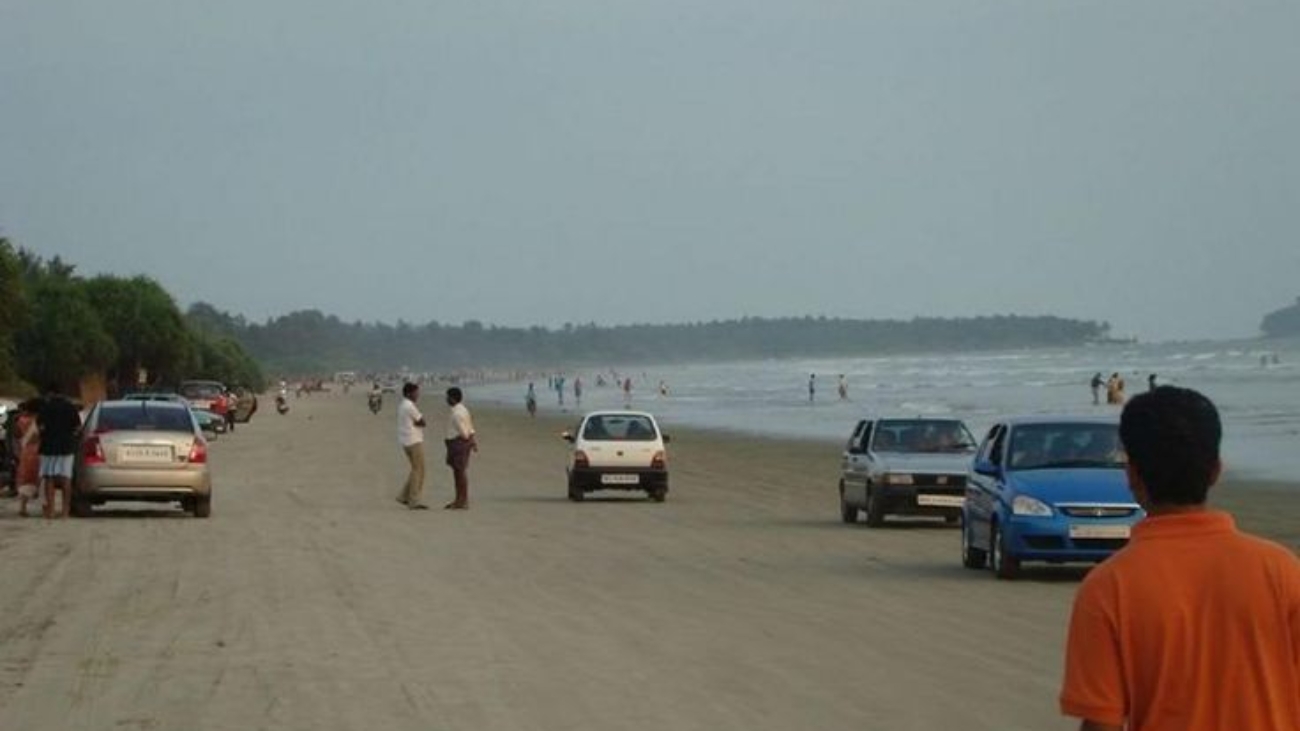
Kannur taluk—encompassing Kannur city, Puzhathi, Edakkad, Valapattanam, Pallikkunnu, Azhikode, Narath, Chelora, Kannadiparamba, Pappinisseri and the dense coastal–urban belt—stands as the economic and cultural heart of northern Kerala. With its historic port legacy, strong artisan traditions, emerging IT corridors, expanding educational ecosystem and proximity to Kannur International Airport, the taluk can realistically evolve into a ₹25,000–₹28,000 crore annual manufacturing economy by 2047. Kannur’s strengths naturally align with textiles, handloom, FMCG, engineering MSMEs, furniture, marine processing, electronics assembly, green materials and creative industries.
The strongest pillar of Kannur’s 2047 industrial landscape is a Handloom, Textiles & Apparel Mega Cluster, rooted in Kannur’s globally known weaving and home furnishing tradition. A 70-acre textile-tech industrial park with advanced weaving units, handloom revival centres, garment stitching lines, digital textile printing, dyeing and finishing units, export-oriented home furnishing production, uniforms, sportswear and women’s ethnic wear can generate ₹4,000–₹4,500 crore annually and create 40,000–45,000 jobs. Kannur can become India’s leading sustainable-textile export hub, leveraging its heritage and modern design.
A second powerful pillar is a Marine Processing, Aqua Exports & Coastal Food-Tech Cluster, leveraging Azhikode, Valapattanam and Pallikkunnu coastal catchment. A 50-acre marine industrial estate with freezing plants, shrimp and cuttlefish processing, value-added seafood units, fish-meal and fish-oil extraction, collagen production and ready-to-cook seafood lines can handle 2,00,000–2,30,000 tonnes of raw material annually. This cluster alone can generate ₹3,000–₹3,500 crore and employ 25,000–30,000 workers.
Kannur’s urban density and strong consumption market enable a Processed Foods, Bakery-Tech & FMCG Manufacturing Hub. A 50-acre FMCG zone with bakery plants, snack factories, confectionery units, spice-blending systems, dosa batter production, instant-mix lines, beverages and ready-to-eat food systems can generate ₹2,500–₹3,000 crore and support 20,000–25,000 jobs, with women forming a major segment.
Kannur has one of Kerala’s oldest wood-crafting traditions, making it ideal for a Furniture, Wood-Tech & Modular Interiors Cluster, especially around Chelora and Narath. A 35-acre industrial estate producing modular furniture, engineered-wood panels, plywood, interior décor items, carpentry-tech products and bamboo–wood hybrid furniture can generate ₹1,800–₹2,200 crore and support 15,000–18,000 workers.
The city’s strong workshop culture—from Pallikkunnu to Chelora—supports a Light Engineering, Fabrication & Machinery Components Zone. A 30-acre engineering estate producing CNC-machined components, marine hardware, electrical enclosures, pump assembly, bakery machinery, agricultural tools and auto-body components can generate ₹1,400–₹1,700 crore and create 12,000–15,000 technician jobs.
Given Kannur Airport’s rise, Kannur is suited for a Small Electronics Assembly & Export Accessories Cluster. A 25-acre tech-industrial park assembling LEDs, CCTV units, small home appliances, inverter components, solar accessories, EV chargers and PCBA boards can generate ₹1,000–₹1,200 crore and support 8,000–10,000 skilled youth.
With midland agricultural pockets in Pappinisseri, Narath and Valapattanam, Kannur can support a Multi-Crop Agro-Processing & Spices Cluster. A 20-acre agro-industrial park with coconut processing, banana chips factories, spice mills, dehydrated vegetables and ready-to-cook lines can generate ₹600–₹800 crore and employ 5,000–7,000 workers.
Kannur’s artistic tradition—from Theyyam to mural art—supports a Creative Manufacturing & Cultural Products Complex. A 10-acre craft-tech estate producing handmade décor, textile crafts, Theyyam artefacts, pottery, jewellery, wooden crafts and digital-art merchandise can generate ₹200–₹300 crore and sustain 3,500–4,000 artisans.
Given the taluk’s port heritage and highway connectivity, Kannur requires a North Kerala Multi-Modal Logistics, Port-Linked Packaging & Export Hub, positioned between Azhikode and Valapattanam. A 50-acre logistics park with 40,000 pallet spaces, 2,000 tonnes of cold storage, bonded warehouses, textile export consolidation, seafood aggregation, FMCG fulfilment centres, a packaging R&D lab and an AI-based freight-routing grid can reduce logistics costs from 10–12 percent to 5–6 percent, saving ₹300–₹350 crore annually.
Given Kannur’s strong healthcare and education presence, a Healthcare Products, Herbal & Wellness Manufacturing Cluster can grow alongside existing industries. A 20-acre industrial zone producing ayurvedic formulations, herbal cosmetics, nutraceuticals, balms, natural oils and wellness drinks can generate ₹700–₹900 crore and employ 6,000–8,000 workers.
Human capital development is essential to Kannur’s 2047 vision. The taluk must train 40,000–45,000 workers annually in garment technology, weaving science, food processing, marine technology, CNC machining, digital design, electronics assembly, furniture design, packaging engineering, creative production and logistics operations. A flagship institute—Kannur Institute of Advanced Manufacturing, Textiles & Coastal Industries (KIAMTCI)—should anchor training, R&D, incubation and global branding.
Digital transformation must unify Kannur’s enterprises under a Kannur MSME Digital Grid, connecting 4,000–5,000 businesses. This digital backbone can support AI-enabled quality checks, predictive machine maintenance, digital invoicing, cold-chain monitoring, cloud-based textile scheduling, e-commerce integration and logistics tracking. Digitalisation can raise productivity by 30–40 percent across manufacturing clusters.
Sustainability must define Kannur’s industrial identity. By 2047, Kannur should achieve 85–90 percent renewable energy, powered by rooftop solar, biomass from coconut waste, district-level battery storage and coastal wind corridors. Industrial water reuse must exceed 85 percent, particularly in textiles, marine processing and FMCG clusters. A circular materials recovery centre processing 18,000–22,000 tonnes of fish waste, textile scraps, packaging waste and wood residue annually can create eco-panels, compost, biochar and biodegradable composites.
If executed with cluster-based planning, SME-led industrialisation, coastal–airport connectivity, digital integration and sustainability-driven infrastructure, Kannur taluk can become North Kerala’s largest manufacturing powerhouse by 2047. With ₹25,000–₹28,000 crore in annual output, 2.3–2.6 lakh direct jobs, and leadership in textiles, marine exports, FMCG, engineering MSMEs, furniture, electronics, herbal and creative industries, Kannur will anchor the district’s and region’s economic transformation.
