
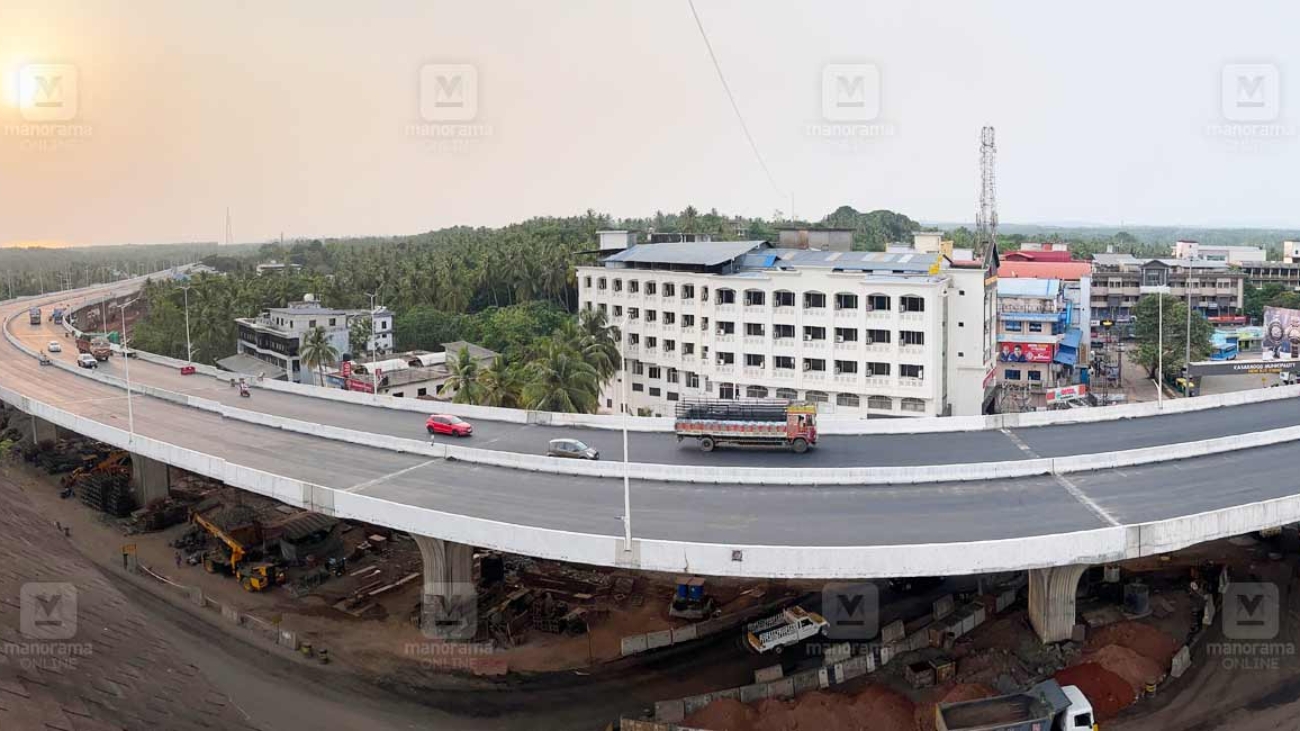
Kasaragod taluk—extending across Kasaragod town, Kanhangad fringes (south), Vidyanagar, Mogral, Cherkala, Madhur, Muliyar, Bedaduka, Chengala, Bovikanam, Periyadka and the fishing belts lining the Arabian Sea—sits at the northern gateway to Kerala’s economy. The region’s multilingual, multi-ethnic heritage blends with its coastal strength, fishing markets, agricultural belts, proximity to NH 66, and direct economic integration with Mangaluru’s port and industry. With strategic planning and cross-border cooperation, Kasaragod can develop into a ₹18,000–₹20,000 crore annual manufacturing ecosystem by 2047, shaping the industrial identity of Kerala’s far north.
The most powerful industrial pillar for Kasaragod’s 2047 vision is a Marine Processing, Aqua Exports & Coastal Food-Tech Mega Cluster, leveraging the extensive fisheries belts around Kasaragod, Mogral and Kottikulam. A 60-acre marine industrial estate equipped with shrimp, cuttlefish and mackerel processing lines, IQF freezing, fish filleting automation, fish-meal and fish-oil extraction, collagen processing and value-added seafood product units can process 2,00,000–2,30,000 tonnes annually. This cluster alone can generate ₹3,000–₹3,500 crore and provide 25,000–30,000 jobs, positioning Kasaragod as northern Kerala’s seafood capital.
A second powerful pillar is a Processed Foods, Bakery-Tech & FMCG Manufacturing Hub, rooted in Kasaragod’s strong remittance-driven consumption culture and proximity to Mangaluru’s logistics network. A 50-acre FMCG estate with automated bakery lines, snack factories, instant-mix units, spice blending, cold sauces, beverage production, pickles, chutneys, frozen foods and ready-to-eat systems can generate ₹2,200–₹2,600 crore and employ 18,000–22,000 people, especially women.
Kasaragod’s fertile hinterland—from Muliyar to Chengala and Bedaduka—supports a Multi-Crop Agro-Processing & Spices Cluster. A 30-acre agro-industrial estate producing coconut oil, coconut milk powder, banana chips, tapioca snacks, vegetable dehydration products, spice-powdering units, fruit pulping and ready-to-cook foods can generate ₹1,200–₹1,500 crore and support 10,000–12,000 jobs.
The taluk’s proximity to Coorg and the Western Ghats strengthens its potential for a Herbal, Ayurveda & Botanical Extracts Manufacturing Cluster, especially in the Mogral–Bedaduka–Chengala belt. A 25-acre herbal-tech zone producing herbal extracts, ayurvedic oils, nutraceutical products, balms, herbal cosmetics, immunity boosters, dietary supplements and natural fragrances can generate ₹1,000–₹1,300 crore and employ 8,000–10,000 people.
Kasaragod’s strong coir and natural-fibre tradition supports a Coir, Natural Fibre & Biodegradable Materials Cluster, building on belts near Cherkala, Muliyar and Kanhangad outskirts. A 25-acre fibre-tech industrial estate producing coir mats, geotextiles, coir ply, eco-panels, biodegradable pots, garden products, automotive fibre composites and sustainable packaging materials can generate ₹800–₹1,000 crore and support 7,000–9,000 workers.
The region’s emerging workshop culture and connectivity to Mangaluru’s industrial belt support a Light Engineering, Fabrication & Machinery Components Cluster. A 30-acre engineering estate featuring CNC machining, automotive components, marine hardware, pump assembly, bakery-equipment manufacturing, agricultural tools and electric motor repair industries can generate ₹1,200–₹1,500 crore and support 10,000–12,000 workers.
Kasaragod’s coastal urbanisation enables a Small Electronics Assembly & Renewable Energy Accessories Cluster, especially near Vidyanagar–Kasaragod corridor. A 20-acre tech-industrial park assembling LEDs, CCTV kits, inverter components, solar accessories, EV chargers, PCBA boards and small appliances can generate ₹700–₹900 crore and employ 5,000–7,000 skilled youth.
To integrate these diverse sectors, Kasaragod requires a North Kerala Coastal Logistics, Packaging & Export Hub, positioned near Cherkala or Vidyanagar. A 50-acre logistics estate with 30,000–35,000 pallet spaces, 2,500 tonnes of cold storage, FMCG fulfilment centres, seafood aggregation yards, bonded warehouses, packaging laboratories and AI-enabled freight management can reduce logistics inefficiency from 10–12 percent to 6 percent, saving ₹200–₹240 crore annually for MSMEs.
A major opportunity lies in a Cross-Border Marine & Industrial Corridor, integrating Kasaragod with Mangaluru Port, New Mangalore SEZ and Karnataka’s coastal manufacturing chains. Through joint logistics, shared cold-chain infrastructure and export facilitation, Kasaragod can participate in higher-value marine and food-tech exports.
Kasaragod’s cultural richness—temple arts, Muslim crafts, Tulu–Malayali heritage—supports a Creative Manufacturing & Cultural Products Cluster. A 10-acre creative hub producing souvenirs, coir décor, wooden crafts, jewellery, pottery, fabric artefacts and festival merchandise can generate ₹150–₹250 crore and sustain 3,000–4,000 artisans.
Human capital development is central to Kasaragod’s industrial transformation. The taluk must train 30,000–32,000 workers annually in seafood processing, food safety, CNC machining, digital design, electronics assembly, packaging science, herbal extraction, machinery repair, logistics operations, fibre-tech and creative product development. A flagship institution—Kasaragod Institute of Marine Industries, Agro-Tech & Industrial Skills (KIMIAS)—should anchor skill development, incubation, R&D and industry partnerships.
Digital integration must define Kasaragod’s MSME network through a Kasaragod MSME Digital Grid, connecting 3,000–3,500 enterprises. This system can enable cloud-based production planning, digital invoicing, AI-driven quality checks, traceability systems for seafood and herbal products, predictive maintenance, e-commerce integration and real-time logistics monitoring. Digital adoption can increase productivity by 25–35 percent.
Sustainability must shape Kasaragod’s industrial identity. By 2047, the taluk should operate on 80–90 percent renewable energy, powered by solar, coastal wind, agro-waste biomass and distributed battery storage. Industrial water reuse must exceed 80 percent, especially in food-tech, marine processing and coir industries. A circular materials recovery unit processing 12,000–15,000 tonnes of fish waste, coir fibre residue, agro biomass and packaging scrap annually can produce eco-panels, compost, biochar and biodegradable composites.
If implemented with coastal-industrial vision, cross-border cooperation, logistics strength, SME empowerment and sustainability-focused infrastructure, Kasaragod can become the manufacturing and export anchor of Kerala’s northern frontier by 2047. With ₹18,000–₹20,000 crore in annual output, 1.7–1.9 lakh direct jobs, and leadership in marine products, FMCG, agro-processing, fibre-tech, engineering MSMEs, herbal industries and electronics assembly, Kasaragod will complete Kerala’s industrial arc from Thiruvananthapuram to the Karnataka border.
