
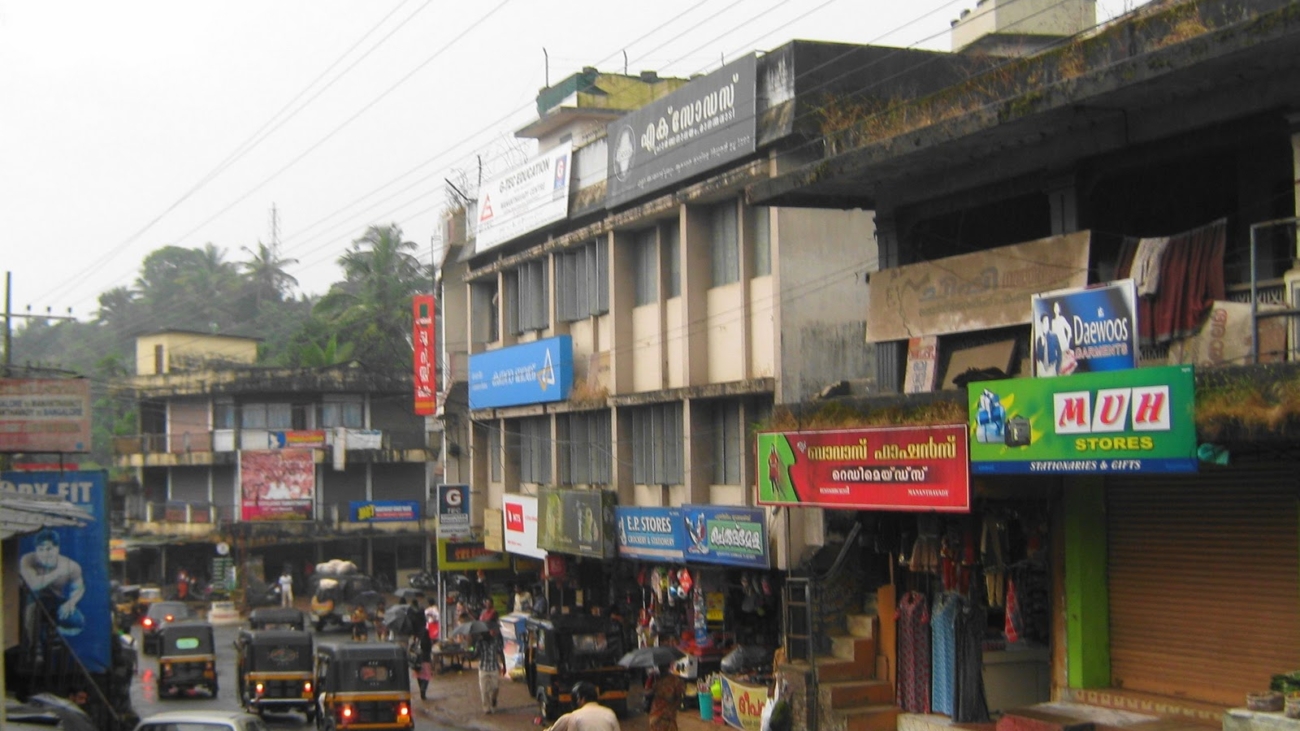
Mananthavady taluk—stretching across Mananthavady town, Thavinjal, Thirunelly, Valliyoor, Koyileri, Panamaram, Thondernad, Pulpally border regions, Kurukkanmoola and the tribal belts near Kurichiyad and Begur—is one of Kerala’s most unique economic geographies. Surrounded by forests, rivers, hills, and wildlife corridors, Mananthavady holds Wayanad’s richest tribal heritage, its largest spread of paddy and banana farms, and important plantation pockets of pepper and coffee. With its gateway position to Kannur, Kodagu and Mysuru, the taluk can grow into a ₹9,000–₹11,000 crore annual manufacturing ecosystem by 2047, anchored in forest-based industries, natural fibre products, plantation value addition, herbal manufacturing, green construction materials, tribal enterprise, food-tech and logistics for hill economies.
The strongest pillar of Mananthavady’s industrial future is a Forest-Linked, Tribal-Led Bamboo & Eco-Materials Mega Cluster, positioning the taluk as Kerala’s leading centre for sustainable materials. A 40-acre bamboo-industrial park located between Mananthavady and Thondernad can house laminated bamboo board units, bamboo furniture lines, eco-panels, biodegradable packaging production, bamboo mats, high-strength bamboo composites and traditional craft clusters. This can generate ₹1,400–₹1,700 crore and support 12,000–15,000 jobs, with at least 40 percent reserved for tribal communities. Bamboo is Mananthavady’s most scalable green asset, and its processing can redefine the taluk’s industrial future.
A second major pillar is a Plantation Processing, Pepper–Coffee–Banana Value Addition Cluster, centred around Panamaram, Thavinjal and Thirunelly belts. A 30-acre plantation processing estate with pepper-grading centres, freeze-drying units, essential oil extraction, coffee roasting and grinding lines, banana flour plants, dehydrated fruit units and ready-to-cook systems can process 80,000–1,00,000 tonnes of raw material annually. This cluster can generate ₹1,500–₹1,800 crore and create 12,000–14,000 jobs, helping Wayanad’s farmers capture higher value.
Mananthavady’s herbal richness and tribal medicinal knowledge enable a powerful Herbal, Ayurveda & Botanical Extracts Manufacturing Hub. A 25-acre herbal-industrial zone with phytochemical extraction labs, traditional medicine formulation units, herbal cosmetics manufacturing, nutraceutical blending, immunity-boosting products, natural fragrances and balms can generate ₹800–₹1,000 crore and employ 6,000–8,000 people, especially tribal women.
Mananthavady’s fertile valleys—Panamaram being one of Kerala’s largest paddy basins—support a Highland Agro-Processing & Food-Tech Cluster. A 30-acre agro-industrial park producing rice-based products, banana chips, tapioca snacks, dehydrated vegetables, spice mixes, millet foods, ready-to-eat meals and hill-range bakery products can generate ₹800–₹1,000 crore and support 7,000–9,000 jobs. Integration with Wayanad’s organic farming movement can add premium value.
A major structural opportunity is a North Wayanad Logistics, Cold-Chain & Tri-State Transport Hub, serving Wayanad, Kodagu and Mysuru trade flows. A 30-acre logistics estate with 10,000–12,000 pallet spaces, 1,000 tonnes of cold storage, spice consolidation centres, banana and vegetable aggregation points, packaging laboratories, bonded warehouses and AI-managed freight systems can reduce logistics inefficiency from 12–14 percent to 6 percent, saving ₹120–₹150 crore annually for regional farmers and MSMEs.
Mananthavady’s rich craft culture supports a Creative Manufacturing, Tribal Crafts & Heritage Products Cluster. A 10-acre craft-tech zone producing wooden artefacts, bamboo crafts, eco-friendly jewellery, tribal textile products, pottery, cultural souvenir items, home décor and artisanal lifestyle goods can generate ₹150–₹250 crore and support 2,500–3,500 artisans, placing tribal heritage at the centre of economic growth.
A growing opportunity lies in a Green Construction Materials & Prefabricated Eco-Housing Cluster, designed for hill architecture. A 20-acre eco-materials industrial park producing soil-stabilised blocks, lightweight eco-bricks, bamboo–wood fusion structural panels, natural insulation boards and prefab housing units can generate ₹600–₹800 crore and support 5,000–7,000 jobs, enabling climate-resilient construction across highlands.
Mananthavady’s emerging workshops across Panamaram, Thavinjal and Mananthavady town can drive a Light Engineering, Rural Machinery & Plantation Equipment Cluster. A 20-acre engineering zone producing small motors, agricultural tools, plantation machinery, tea/coffee dryers, banana slicers, turmeric polishers, greenhouse components and metal fabrication products can generate ₹500–₹700 crore and support 4,000–6,000 technicians.
Tourism-linked consumption creates demand for a Premium Hill Foods, Chocolates & Specialty Products Cluster. Small units producing handmade chocolates, artisanal coffee blends, pepper-spice infusions, millet cookies, natural sweeteners, and gourmet snacks can generate ₹200–₹300 crore and employ 2,000–3,000 youth.
Human capital development must be the centrepiece of Mananthavady’s transformation. The taluk must train 15,000–18,000 workers annually in bamboo engineering, plantation processing, herbal medicine production, food-tech, digital design, packaging science, machine operations, eco-construction, logistics and small-enterprise management. A dedicated flagship institution—Mananthavady Institute of Tribal Enterprise, Eco-Industries & Highland Manufacturing (MITEIHM)—must anchor skills, R&D, cluster incubation and tribal entrepreneurship.
Digital transformation must connect the taluk’s micro-enterprises under a Mananthavady MSME Digital Grid, linking 1,500–1,800 units. This grid can support traceability systems for spices and herbal products, AI-enabled quality testing, predictive maintenance, cloud-based production scheduling, digital invoicing, e-commerce integration and real-time logistics tracking. Such digitalisation can boost productivity by 25–35 percent across all clusters.
Sustainability must define Mananthavady’s industrial identity. By 2047, the taluk should achieve 90–95 percent renewable energy, powered by micro-hydro units, bamboo and agro-waste biomass systems, community solar grids and district-level energy storage. Industrial water reuse should exceed 85 percent, especially in agro-processing and herbal clusters. A circular materials recovery centre processing 8,000–10,000 tonnes of bamboo residue, paddy husk, spice waste and packaging scrap annually can produce compost, eco-boards, biochar and biodegradable composites.
If implemented with ecological sensitivity, tribal inclusion, sustainable manufacturing and strategic tri-state integration, Mananthavady can become Kerala’s most sustainable hill-range manufacturing hub by 2047. With ₹9,000–₹11,000 crore in annual industrial output, 90,000–1.1 lakh direct jobs, and leadership in bamboo-tech, plantation processing, herbal industries, agro-food manufacturing, creative crafts, eco-construction materials and hill logistics, Mananthavady will anchor Wayanad’s transformation into a green-industrial district.
