
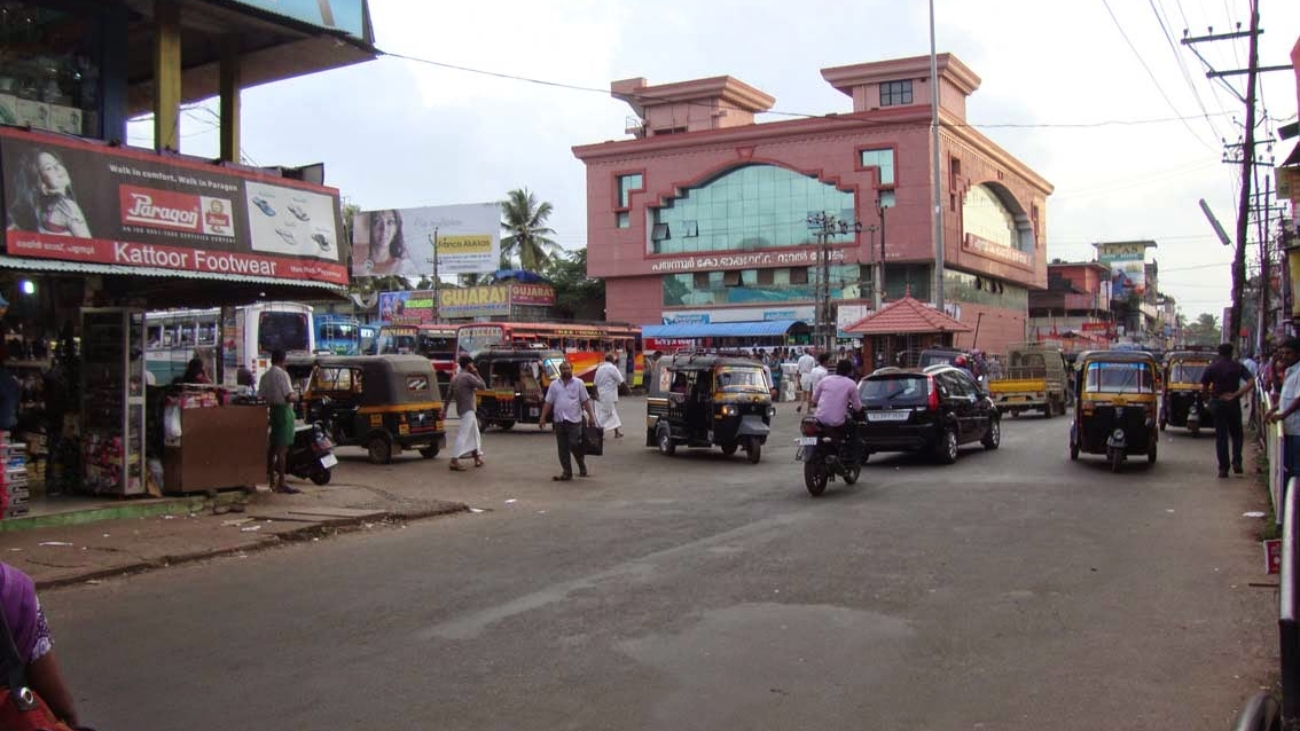
Payyannur taluk—spanning Payyannur town, Payangadi, Karivellur, Vellur, Mathamangalam, Kankol, Ramanthali, Kuttur, Ezhilode, Edat and the coastal corridor extending toward Kunhimangalam and Cheruvathur—is one of North Kerala’s most economically promising regions. Known for its handloom heritage, matsya-based livelihoods, temple and ritual craft traditions, and growing semi-urban commercial clusters, Payyannur is positioned to become Kerala’s northern coastal manufacturing hub by 2047. With strengthened connectivity to Kannur Airport, NH 66 and the Mangaluru industrial belt, the taluk can realistically grow into a ₹15,000–₹17,000 crore annual manufacturing ecosystem, anchored in textiles, marine processing, FMCG, engineering MSMEs, natural fibre products, renewable energy accessories and creative manufacturing.
The most powerful industrial pillar of Payyannur’s future is a Handloom, Textiles & Apparel Mega Cluster, leveraging the region’s renowned weaving traditions, especially around Kankol and Payyannur. A 60-acre textile-tech estate featuring modern power loom units, handloom revival centres, garment stitching lines, embroidery and printing units, home furnishing production, uniforms, sportswear and export finishing can generate ₹3,000–₹3,500 crore and employ 30,000–35,000 people. With sustainable-textile branding, Payyannur can become Kerala’s signature handloom–garment fusion hub.
A second major pillar is a Marine Processing, Aqua Exports & Coastal Food-Tech Cluster, tapping into the rich fishing economy of Payangadi, Ramanthali and Kunhimangalam. A 40-acre marine-industry zone equipped with freezing tunnels, shrimp and cuttlefish processing, fish filleting automation, dry-fish units, fish-oil recovery, chitin–chitosan extraction and ready-to-cook product lines can process 1,50,000–1,80,000 tonnes of marine raw material annually. This can generate ₹2,200–₹2,600 crore and create 18,000–22,000 jobs.
Payyannur’s strong retail culture and Gulf-linked consumer behaviour support a Processed Foods, Bakery-Tech & FMCG Manufacturing Hub. A 35-acre FMCG estate with automated bakery lines, confectionery plants, spice-blending units, instant-mix factories, snack production, beverage lines and ready-to-eat food packaging can generate ₹1,800–₹2,200 crore and employ 15,000–18,000 workers, with women forming a significant share.
The taluk’s coconut, banana and vegetable belts can support a Multi-Crop Agro-Processing & Natural Food Products Cluster. A 25-acre agro-industrial estate producing coconut oil, coconut chips, banana flour, tapioca-based foods, spice powders, pickles, vegetable dehydration products and farm-to-pack processed foods can generate ₹900–₹1,100 crore and support 7,000–9,000 jobs.
Payyannur’s expanding suburb–workshop belts are ideal for a Light Engineering, Fabrication & Machinery Components Cluster. A 25-acre engineering estate featuring CNC machining, metal fabrication, pump assembly, marine hardware, bakery-equipment manufacturing, auto-body building and agricultural tools can generate ₹800–₹1,000 crore and support 6,000–8,000 technicians.
The region’s natural fibre heritage—coir, bamboo and grass-based crafts—supports a Coir, Natural Fibre & Biodegradable Materials Cluster. A 20-acre fibre-tech zone producing coir mats, geotextiles, coir ply, eco-panels, biodegradable pots, fibre composites, natural baskets and sustainable packaging materials can generate ₹700–₹900 crore and employ 6,000–8,000 workers.
As renewable energy adoption grows statewide, Payyannur can host a Solar Accessories & Small Electronics Assembly Cluster, particularly along the NH66 corridor. A 20-acre tech zone assembling LED systems, small appliances, CCTV units, inverter components, EV chargers, solar-mounting accessories and PCBA boards can generate ₹600–₹800 crore and support 5,000–7,000 skilled youth.
Payyannur’s cultural richness—Theyam traditions, temple arts and craft legacies—supports a Creative Manufacturing & Ritual Craft Products Hub. A 10-acre craft-tech estate producing ritual artefacts, Theyam-inspired décor, wooden craft pieces, handmade jewellery, murals, pottery, artisanal textiles and cultural souvenirs can generate ₹200–₹300 crore and sustain 3,000–4,000 artisans.
To unify these sectors, Payyannur requires a North Malabar Coastal Logistics, Cold-Chain & Export Hub, strategically located near Payyannur town or Payangadi. A 40-acre logistics estate with 25,000–30,000 pallet spaces, 2,000 tonnes of cold storage, seafood aggregation facilities, textile export warehouses, FMCG fulfilment centres, bonded storage, packaging R&D labs and AI-driven freight routing can reduce logistics inefficiency from 10–12 percent to 6 percent, saving ₹180–₹220 crore annually for regional enterprises.
An emerging opportunity lies in a Gourmet & Premium Food Exports Cluster, using Payyannur’s proximity to Kannur Airport to export bakery items, banana-based snacks, masalas, Theyam-themed gift packs, seafood delicacies and handmade confectionery. This can generate an additional ₹200–₹300 crore annually from niche markets.
Human capital development is central to Payyannur’s transformation. The taluk must train 25,000–28,000 people annually in garment production, handloom technologies, food safety, seafood processing, packaging science, CNC operations, electronics assembly, natural fibre processing, digital design and entrepreneurship. A flagship institution—Payyannur Institute of Textiles, Coastal Manufacturing & Industrial Skills (PITCMIS)—should anchor advanced training, R&D and industry partnership programmes.
Digital transformation must integrate MSMEs under a Payyannur MSME Digital Grid, connecting 2,500–3,000 enterprises. This grid can support AI-based grading for marine products, predictive machine maintenance, cloud-based textile production scheduling, digital invoicing, logistics tracking, e-commerce integration and packaging automation. The digital grid can increase productivity by 25–35 percent across clusters.
Sustainability must be embedded into every cluster. By 2047, Payyannur should adopt 80–90 percent renewable energy, powered by rooftop solar, biomass from coconut waste, district-level battery storage and coastal wind potential. Industrial water reuse must exceed 80 percent, especially in marine, FMCG and textile clusters. A circular materials recovery centre processing 12,000–15,000 tonnes of fish waste, fibre residues, packaging scrap and agro waste can produce eco-boards, compost, biochar and biodegradable products.
If executed with coastal-centric planning, textile revival, SME empowerment, logistics modernisation, digital transformation and sustainability-first infrastructure, Payyannur will become North Kerala’s coastal industrial engine by 2047. With ₹15,000–₹17,000 crore in annual output, 1.5–1.7 lakh direct jobs, and leadership in handloom–textile fusion, marine processing, FMCG, natural fibre industries, engineering MSMEs, electronics and creative manufacturing, Payyannur will anchor Kannur’s economic leap.
