
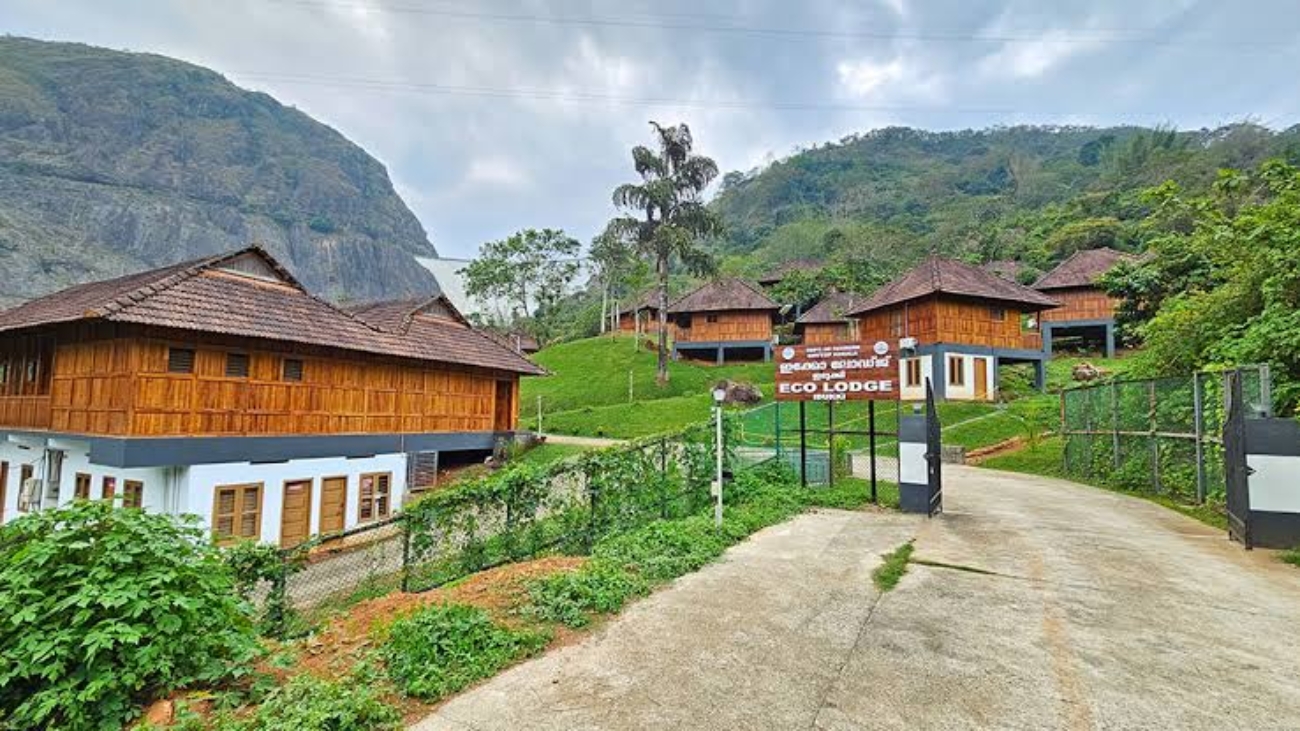
Peermade taluk—spread across Kerala’s most historically significant plantation belt including Vandiperiyar, Kumily, Elappara, Peruvanthanam and Kuttikkanam—is a region where tea, coffee, cardamom, pepper, fruits, herbs, dairy and tourism converge into a single high-altitude economic system. With its cool climate, fertile slopes, cross-border trade routes to Tamil Nadu, and iconic hill stations like Ramakkalmedu, Peermade is one of Kerala’s most promising high-range industrial zones. By 2047, Peermade can transform into a ₹10,000–₹12,000 crore annual manufacturing economy, powered by plantations, premium foods, herbal products, tea-tech, eco-tourism materials, rural machinery, renewable-energy components and climate-resilient construction systems. With a projected population of 4–4.5 lakh, including 2.5 lakh working-age residents, the taluk has the human and ecological base to drive a sustainable high-altitude manufacturing renaissance.
The strongest industrial pillar of Peermade’s future is a Tea, Coffee & Botanical Extracts Mega Cluster, aligned with the plantations of Vandiperiyar, Kumily, Elappara and Periyar’s fringes. A 40-acre tea-coffee-tech zone equipped with advanced withering systems, small-batch tea fermentation labs, coffee roasting and grinding lines, CO₂-supercritical extractors, aroma retention units, freeze dryers, natural caffeine extraction plants and herbal-tea blending facilities can process 50,000–60,000 tonnes of tea and coffee annually. This sector alone can generate ₹2,500–₹3,000 crore annually and create 20,000–24,000 direct jobs. Rising global demand for specialty teas, single-origin coffee, botanical blends, functional beverages and clean-label wellness infusions positions Peermade as a premium exporter.
A second major pillar is a Spices, Plantation Foods & High-Value Agro-Processing Park, fed by pepper, cardamom, nutmeg, clove, vanilla, fruits and vegetables grown across Kumily, Vandanmedu, Kallar and Kuttikkanam. A 35-acre agro-tech cluster equipped with spice dryers, oleoresin units, aroma distillation plants, pickling lines, fruit pulpers, dehydration tunnels, fermentation systems and ready-to-cook packaging units can process 1,20,000–1,40,000 tonnes annually. By 2047, this sector can generate ₹1,600–₹2,000 crore and create 14,000–18,000 jobs. Peermade can specialise in vanilla extracts, pepper oils, cardamom derivatives, fruit-based functional foods, dehydrated mixes and premium wellness snacks.
The taluk’s natural biodiversity and history of ayurvedic cultivation support a Herbal, Ayurvedic & Aromatic Oils Manufacturing Hub. A 20–25 acre herbal cluster with phytochemical labs, essential-oil distillers, solvent-extraction plants, powdering systems, natural-perfume units and GMP-certified formulation lines can produce herbal ointments, botanical powders, therapeutic oils, nutraceutical blends and natural cosmetics. This sector can generate ₹900–₹1,200 crore annually and provide 8,000–10,000 jobs by 2047.
Peermade’s highland ecosystem, combined with growing tourism demand, enables a Sustainable Tourism Infrastructure, Timber Engineering & Eco-Construction Materials Cluster. A 20-acre design and fabrication hub can manufacture bamboo composites, engineered wood, modular resort interiors, cottage shells, prefab viewing decks, trail infrastructure, signage, bridge components and CNC-crafted furniture. By 2047, this cluster can generate ₹800–₹1,000 crore annually and support 7,000–9,000 jobs. Peermade can become the primary supplier of eco-friendly infrastructure for hill stations across Kerala and Tamil Nadu.
Given the region’s extensive workshop base and skilled Gulf-return technicians, there is strong potential for a Rural Machinery & Plantation-Equipment Engineering Cluster. A 20-acre engineering zone equipped with CNC machines, welding robots, powder-coating lines and mechatronics systems can produce spice dryers, pepper threshers, cardamom graders, tea-rolling machines, vegetable washers, micro-hydro components, solar mounting frames and plantation tools. By 2047, this sector can achieve ₹800–₹1,000 crore and create 7,000–9,000 direct jobs.
Peermade’s dairy-rich high-altitude villages—including Elappara, Peruvanthanam, Kumily outskirts and Vandiperiyar—provide a strong foundation for a Highland Dairy, Cheese & Functional Nutrition Cluster. A 10–15 acre dairy-tech zone equipped with pasteurisation units, cheese-making systems, milk-powder plants, probiotic labs, ice-cream machines and flavoured-milk lines can generate ₹400–₹600 crore annually and create 4,000–6,000 jobs. European-style hill cheeses, probiotic drinks and flavoured yoghurts can become speciality exports.
A distinctive opportunity arises from Peermade’s hydropower installations: a Hydro Components & Renewable-Energy Accessories Manufacturing Hub. A 15-acre industrial park with turbine-component machining, control panel assembly, transformer auxiliaries, metering devices, micro-hydro equipment lines and solar–hydro hybrid systems can generate ₹500–₹700 crore in annual output and support 4,000–6,000 jobs.
To unify these industries, Peermade requires a Highland Logistics, Cold-Chain & Plantation Export Park, located strategically along the Kumily–Kuttikkanam–Peermade corridor. A 25-acre logistics complex with 20,000–25,000 pallet spaces, 2,500 tonnes of cold storage, packaging centres, tea-auction digital platforms, herbal certification labs, bonded warehouses and digital freight-management tools can reduce logistics inefficiency from 12–14 percent to 6–7 percent. This can save ₹150–₹200 crore annually for manufacturers. Enhanced connectivity to Kochi port and Thoothukudi will boost spice, coffee and herbal exports.
Human capital development must be the backbone of Peermade’s Vision 2047 strategy. The taluk should train 12,000–14,000 technicians annually across tea and coffee technology, spice processing, herbal sciences, CNC machining, packaging engineering, rural machinery, renewable-energy systems, mechatronics and quality control. A dedicated Peermade Institute of Plantation Manufacturing & Highland Technologies (PIPMHT) should anchor training, R&D and industry incubation. Women—major contributors to plantation labour—should represent at least 50 percent of the workforce in tea-tech, herbal production, packaging, dairy products and quality labs.
Digital transformation must integrate this distributed high-range economy. A Peermade Manufacturing Digital Grid, connecting 1,000–1,200 MSMEs, can deliver AI-based tea grading, botanical traceability, predictive machinery maintenance, cloud-based production scheduling, shared procurement, export documentation automation and cold-chain visibility. This can drive 20–30 percent productivity gains across clusters.
Sustainability must define Peermade’s industrial identity. By 2047, the taluk should achieve 85 percent renewable-energy adoption, powered by solar, biomass, micro-hydro and district-level energy storage. Industrial water reuse must reach 85 percent in tea, food and herbal-processing units. A circular materials recovery facility processing 10,000–12,000 tonnes of plantation waste, tea dust, herbal residue, packaging scrap and wood offcuts annually can feed into composting, bioenergy, nutraceuticals and eco-boards. Ecological zoning must strictly protect shola forests, wildlife corridors and high-altitude wetlands.
If implemented with ecological discipline, institutional clarity and highland-specific industrial planning, Peermade can emerge as India’s premier plantation-based manufacturing district by 2047. With ₹10,000–₹12,000 crore in annual output, 90,000–1,05,000 direct jobs, and leadership in tea-tech, coffee derivatives, spice processing, herbal products, eco-tourism materials and plantation machinery, Peermade will anchor the high-range transformation of Kerala. Its success will position the state as a global powerhouse in premium plantation goods, wellness exports and sustainable mountain-region manufacturing.
