
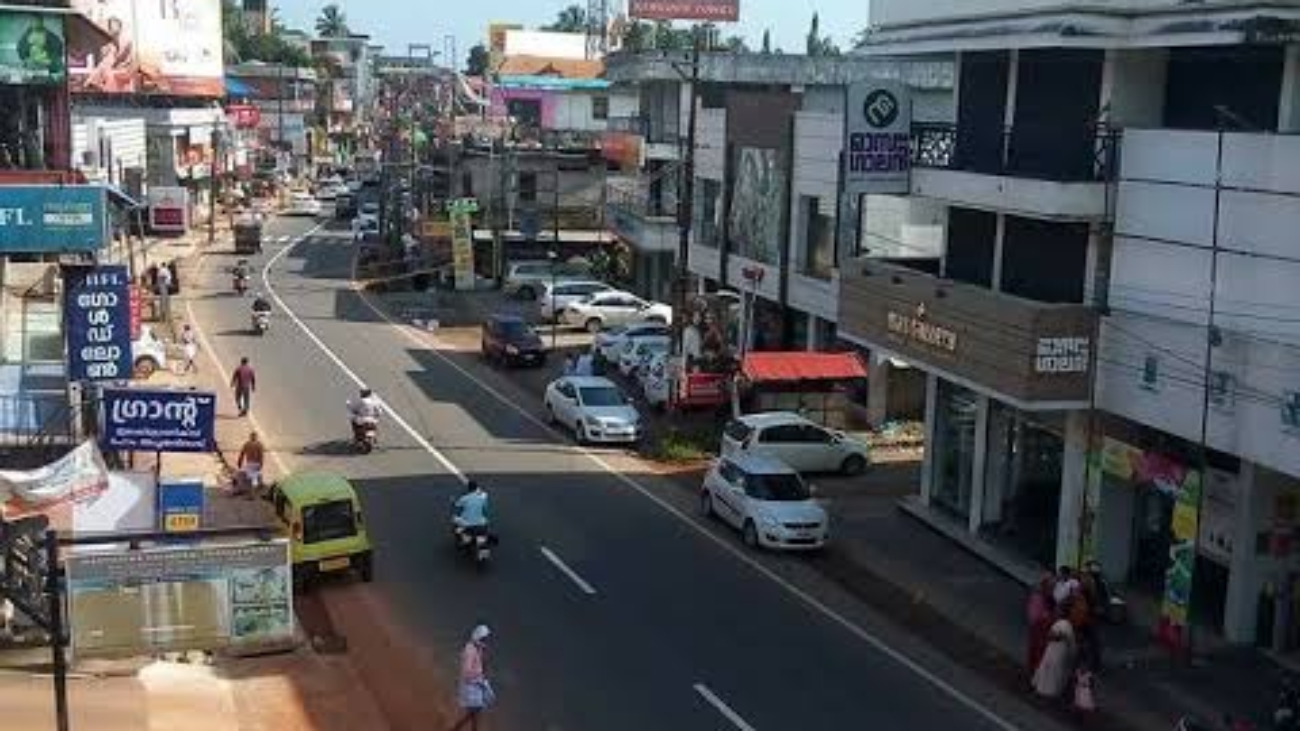
Thamarassery taluk—stretching across Thamarassery town, Koduvally, Omassery, Kunnamangalam fringes, Kattippara, Kanthalad, Poonoor, Puthuppadi, Kodanchery, Thiruvambady and the foothills that rise toward Wayanad—is one of Kozhikode district’s most geographically strategic and economically diverse regions. Situated on the arterial Kozhikode–Wayanad–Mysuru corridor, the taluk is a natural gateway that connects coastal markets with the highland plantation belt. With a young population, expanding educational institutions, strong trading networks and large-scale migration-linked capital, Thamarassery can realistically evolve into a ₹15,000–₹17,000 crore annual manufacturing ecosystem by 2047, powered by agro-industries, plantation value addition, engineering, green construction materials, FMCG, bamboo-tech, logistics and eco-industrial clusters.
The most powerful industrial pillar for Thamarassery’s future is a Plantation Processing & Highland Agro-Industries Mega Cluster, leveraging crops from the Wayanad foothills—banana, pepper, ginger, turmeric, tapioca and vegetables. A 60-acre agro-industrial estate with dehydration tunnels, spice-drying systems, pepper grading, ginger and turmeric processing, vacuum-frying units, fruit pulping, vegetable freezing, ready-to-cook lines and nutraceutical blending can process 1,80,000–2,10,000 tonnes annually. This cluster can generate ₹2,500–₹3,000 crore and create 20,000–24,000 jobs, positioning Thamarassery as Kerala’s leading hill–midland food-tech hub.
Thamarassery’s long-standing wood and bamboo heritage supports a Wood Engineering, Bamboo-Tech & Eco-Materials Cluster. A 30-acre industrial zone producing engineered-wood panels, modular furniture, bamboo boards, eco-panels, interior components, household furniture, bamboo flooring and prefabricated eco-housing structures can generate ₹1,400–₹1,700 crore and support 12,000–14,000 workers. With bamboo availability rising in foothill zones, the taluk can emerge as a green-construction leader.
Thamarassery’s booming construction sector, driven by Kozhikode’s urban spillover, makes it ideal for a Green Construction Materials & Precast Components Manufacturing Hub. A 25-acre zone producing hollow blocks, AAC blocks, soil-stabilised bricks, FRP-reinforced panels, precast beams and slabs, modular interiors and eco-friendly building components can generate ₹1,200–₹1,500 crore and support 10,000–12,000 jobs.
Given the taluk’s strong retail base and youth population, Thamarassery can develop a Processed Foods, Bakery-Tech & FMCG Manufacturing Cluster. A 30-acre FMCG estate with bakery plants, confectionery lines, spice blends, instant mixes, snack factories, ready-to-eat meals, beverage production and atta/flour mills can generate ₹1,500–₹1,800 crore and employ 12,000–15,000 workers, especially women.
Thamarassery’s workshops across Omassery, Koduvally and Poonoor support a Light Engineering, Fabrication & Machinery Components Cluster. A 25-acre engineering zone with CNC machining, pump assembly, agricultural tools, bakery-equipment manufacturing, metal fabrication, motor rewinding and auto-body building can generate ₹1,000–₹1,300 crore and provide 8,000–10,000 technician jobs.
The taluk’s proximity to Kozhikode’s tech ecosystem allows development of a Small Electronics Assembly & Digital Devices Cluster. A 20-acre tech park assembling LED lights, small appliances, CCTV units, inverter components, solar accessories, EV chargers and PCBA assemblies can generate ₹600–₹800 crore and support 5,000–7,000 skilled jobs, especially among educated youth in Kunnamangalam.
A major structural opportunity is a Wayanad–Kozhikode Integrated Logistics & Cold-Chain Hub, located near Thamarassery town or Puthuppadi. A 40-acre logistics estate with 20,000–25,000 pallet spaces, 1,800 tonnes of cold storage, hill-produce sorting centres, bonded warehouses, FMCG fulfilment nodes, packaging labs and AI-driven freight routing can reduce logistics inefficiency from 11–13 percent to 6 percent, saving ₹200–₹240 crore annually. This hub will connect the Wayanad plantation economy to Kozhikode markets and ports.
A complementary vision is a Highland Ayurveda, Herbal & Wellness Products Cluster, leveraging Wayanad’s medicinal plants and Thamarassery’s manufacturing base. A 20-acre herbal-industrial zone producing ayurvedic oils, herbal cosmetics, nutraceuticals, botanical extracts, balms, powders and wellness products can generate ₹700–₹900 crore and create 6,000–8,000 jobs.
Thamarassery’s artistic tradition supports a Creative Manufacturing & Cultural Products Zone. A 10-acre cluster producing bamboo and wood crafts, pottery, mural art, jewellery, festival merchandise, tribal-art-inspired décor and designer handicrafts can generate ₹150–₹250 crore and support 2,500–3,500 artisans.
Human capital development must anchor the taluk’s 2047 vision. Thamarassery must train 22,000–25,000 people annually in food processing, spice technology, bamboo engineering, wood machining, CNC operations, construction materials manufacturing, logistics, packaging, electronics assembly, ayurvedic product preparation and digital design. A flagship institution—Thamarassery Institute of Plantation Technologies, Eco-Materials & Industrial Skills (TIPTEIS)—should be established, with industry-linked labs and incubation centres.
Digital transformation must unify the taluk’s MSME ecosystem using a Thamarassery MSME Digital Grid, connecting 2,000–2,300 enterprises. This grid can support AI-enabled spice grading, cloud production scheduling, predictive maintenance, digital invoicing, e-commerce integration, cold-chain tracking and real-time freight coordination. This can raise productivity by 25–35 percent across sectors.
Sustainability must shape the taluk’s industrial identity. By 2047, Thamarassery should achieve 80–90 percent renewable energy dependence, through rooftop solar, micro-hydro systems, biomass from agro waste, bamboo residue gasification and district battery networks. Industrial water reuse should exceed 85 percent, especially in agro-processing, construction materials and herbal clusters. A circular materials centre processing 12,000–15,000 tonnes of bamboo residue, wood scrap, agro waste and packaging materials annually can produce eco-boards, biochar, compost, briquettes and biodegradable composites.
If implemented with hill–midland integration, logistics strengthening, SME empowerment, sustainable infrastructure and workforce development, Thamarassery can become Kerala’s leading hill-gateway manufacturing hub by 2047. With ₹15,000–₹17,000 crore in annual industrial output, 1.4–1.6 lakh direct jobs, and leadership in spice processing, bamboo-engineering, construction materials, FMCG, engineering MSMEs and herbal products, Thamarassery will anchor Kozhikode’s eastern industrial expansion.
