
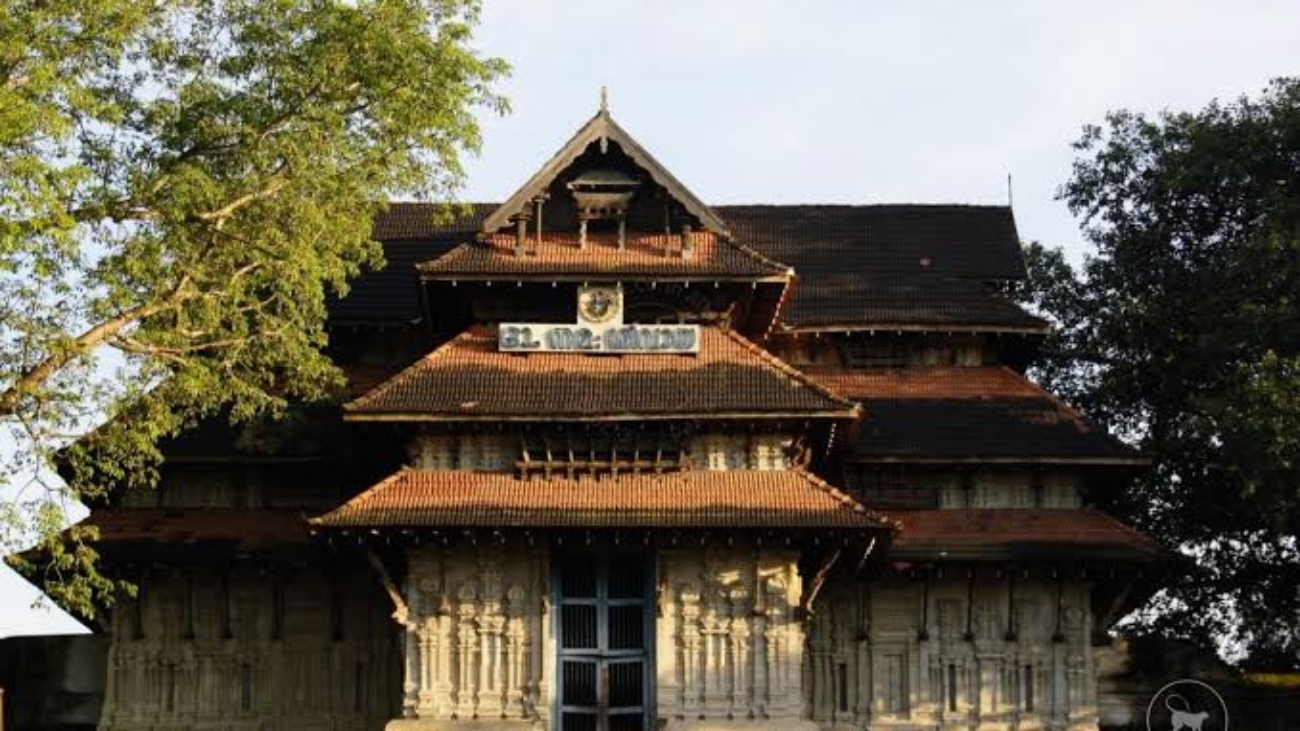
Thrissur taluk—anchored by Thrissur city, Ollur, Mannuthy, Peramangalam, Mulayam, Koorkenchery, Kuriachira and suburban belts—is Kerala’s cultural capital and one of the state’s strongest SME hubs. Known for goldsmithing, textiles, printing, ayurveda, food industries, automotive workshops, education institutes and trade networks, Thrissur taluk has the rare advantage of diversity plus density. With a projected population of 10–11 lakh by 2047, and nearly 6.5 lakh in the working-age bracket, it is positioned to become a ₹25,000–₹30,000 crore annual manufacturing ecosystem, powered by high-value industries requiring strong urban infrastructure, skilled labour and design ecosystems.
The strongest pillar of Thrissur taluk’s future economy is the creation of a Jewellery Manufacturing, Precision Casting & Gemstones Cluster, building on Thrissur’s legacy as one of India’s major gold-processing centres. A 40-acre jewellery-tech park equipped with micro-casting units, laser-cutting systems, CNC engraving, gemstone setting clusters, design studios, bullion vaults, purity-testing labs, automated plating lines and 3D-printed jewellery prototypes can generate ₹6,000–₹7,000 crore annually and create 35,000–40,000 high-skilled jobs. With global demand for designer gold, diamond-alternative gems and temple jewellery rising, Thrissur can become South India’s biggest jewellery manufacturing hub by 2047.
A second major pillar is a Textile, Garments & Fashion Systems Cluster, building on the taluk’s strong tailoring, handloom–powerloom blend, wholesale textile centres and integrated retail economy. A 30-acre textile-tech zone with dyeing and finishing units, garment factories, embroidery clusters, knitting units, digital printing, saree innovation labs and boutique production lines can generate ₹3,000–₹3,500 crore and employ 28,000–32,000 people. Thrissur can develop premium categories such as Kerala ethnic wear, global fusion garments, performance fabrics and festival apparel.
Thrissur’s medical and ayurvedic heritage supports a Pharmaceuticals, Ayurveda & Wellness Products Manufacturing Hub. A 25-acre life-sciences cluster equipped with GMP-certified herbal extraction labs, ayurveda formulation units, nutraceutical plants, OTC medicine manufacturing, cosmeceuticals, diagnostic strip assembly and wellness supplement lines can yield ₹2,000–₹2,500 crore and create 18,000–22,000 jobs. Thrissur can lead Kerala’s move into global nutraceutical exports.
Given Mannuthy’s veterinary institutions, agriculture university and strong agritech ecosystem, Thrissur taluk is ideal for a High-Value Agro-Processing & Functional Foods Cluster. A 30-acre food-tech zone with dehydration tunnels, freeze-dryers, ready-to-eat units, banana and jackfruit processing, spice grinding, coconut-based products, bakery-tech and plant-based protein manufacturing can process 1,20,000–1,50,000 tonnes annually. This cluster can generate ₹1,800–₹2,200 crore and support 15,000–18,000 jobs.
Thrissur’s MSME backbone makes it ideal for a Precision Engineering, Light Machinery & Automotive Components Cluster, especially around Ollur, Mannuthy and Puzhakkal technocity belt. A 25-acre engineering park equipped with CNC machining, fabrication units, pump manufacturing, motor assembly, agricultural tools, construction hardware, EV charging components, wiring harness units and robotics accessories can generate ₹1,500–₹2,000 crore and provide 14,000–18,000 skilled jobs.
Thrissur’s strong publishing culture supports a Printing, Packaging & Digital Media Cluster, enhancing the city’s role as Kerala’s knowledge-production centre. A 20-acre cluster with high-speed digital presses, corrugated box manufacturing, label printing, book-finishing, packaging design studios, stationery production and hologram/security printing can generate ₹1,000–₹1,300 crore and offer 10,000–12,000 jobs.
The cultural richness of Thrissur supports a Creative Manufacturing & Festival Economy Products Hub, leveraging temple arts, percussion instruments, handicrafts, mural traditions and festival merchandizing. A 10–15 acre craft-tech cluster producing murals, percussion instruments, bronze-cast idols, eco-friendly décor, event textiles, festival merchandise and cultural souvenirs can generate ₹300–₹400 crore and sustain 3,000–4,500 artisan jobs.
As Thrissur grows into a major urban centre, it needs a Central Kerala Logistics, Packaging & Urban Fulfilment Park, supporting both manufacturing and retail distribution. A 40-acre logistics hub with 40,000 pallet spaces, pharma-grade cold storage, FMCG fulfilment systems, bonded warehouses, packaging labs, multi-brand distribution centres and an AI-enabled freight scheduling system can reduce logistics inefficiencies from 10–12 percent to 5 percent, saving businesses ₹250–₹300 crore annually.
Human capital development must be the anchor of Thrissur’s industrial transformation. The taluk must train 35,000–40,000 workers each year in jewellery production, stone setting, textile manufacturing, ayurvedic product formulation, CNC & robotics operation, QC/QA, food processing, digital printing, packaging, sales engineering and urban supply-chain management. A flagship institute—Thrissur Institute of Advanced Manufacturing, Jewellery & Life Sciences (TIAMLS)—should be established to integrate learning, research and enterprise development.
Digital transformation is essential to unify the taluk’s industrial base. A Thrissur Urban Manufacturing Digital Grid, connecting 3,000–3,500 MSMEs, can provide AI-based production monitoring, digital invoicing, cloud scheduling, gemstone authenticity verification, machine diagnostics, digital warehousing, automated inventory systems and export documentation platforms. These interventions can raise productivity by 25–35 percent across the taluk’s industries.
Sustainability must be woven into the taluk’s industrial identity. By 2047, Thrissur must achieve 85–90 percent renewable-energy usage, driven by rooftop solar, small wind turbines, biofuel from food manufacturing waste, and district-level battery storage. Industrial water reuse must exceed 85 percent, especially in textile and ayurvedic clusters. A circular materials facility processing 18,000–22,000 tonnes of gold scrap, paper, textile waste, organic residue and packaging materials annually can feed recycling loops, producing recycled paper, eco-boards, compost and polymer substitutes.
If implemented with strong urban governance, cluster integration, skilled workforce development and digital adoption, Thrissur taluk can become Kerala’s most advanced urban SME-manufacturing district by 2047. With ₹25,000–₹30,000 crore in annual manufacturing output, 2.0–2.3 lakh direct jobs, and sectoral leadership in jewellery, textiles, ayurveda, engineering, food-tech, packaging and creative crafts, Thrissur will anchor the industrial heart of central Kerala and strengthen its status as the state’s cultural–economic capital.
