
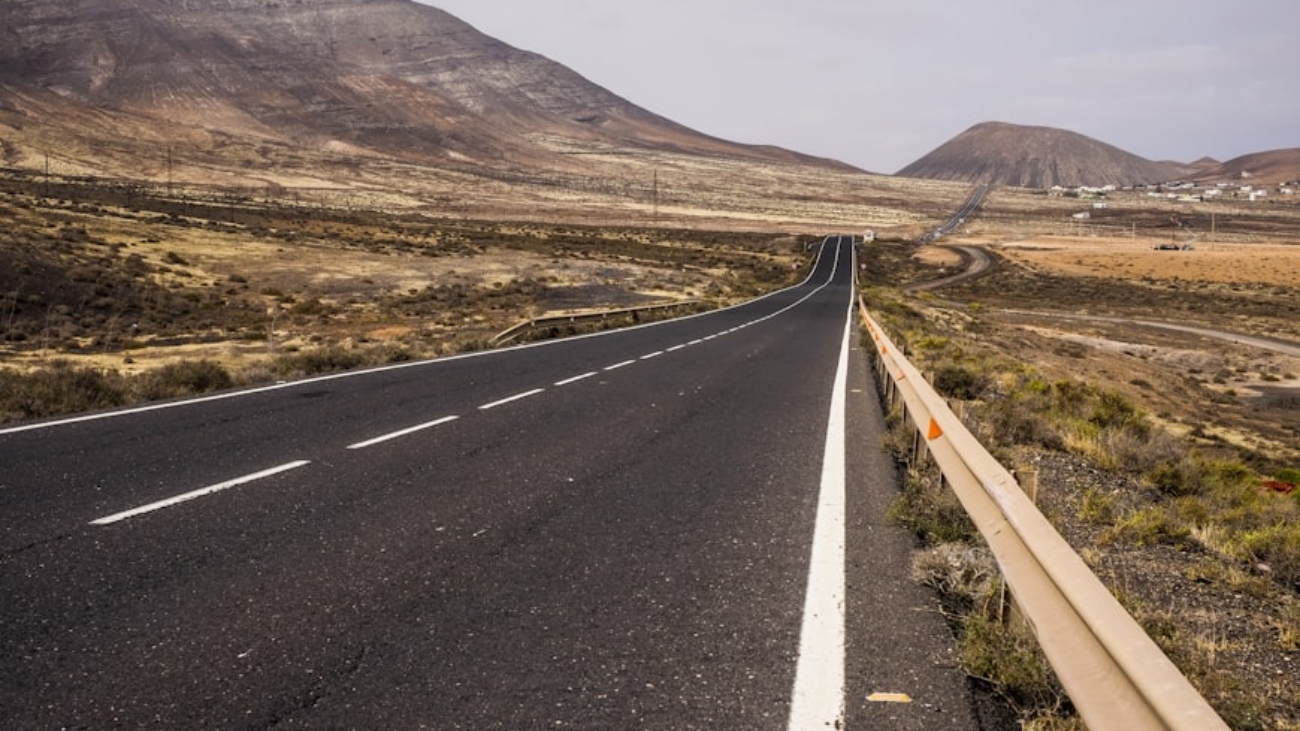
Kerala’s road network carries a unique burden. It must withstand relentless monsoons, high humidity, variable soil conditions, dense traffic, and frequent utility cuts. Traditional road construction methods and conventional materials cannot meet these demands. As Kerala plans for 2047, the state must embrace a new era of materials engineering—scientific, precise, climate-adapted, and performance-driven. Roads should no longer be built with outdated recipes but with engineered materials tailored to Kerala’s geography, rainfall patterns, and mobility needs.
Kerala Vision 2047 begins by redefining roads as engineered composites, not simply layers of stone and asphalt. The fundamental goal is to create pavements that last 20–30 years with minimal interventions, resist moisture, and handle a variety of stresses without failure. This requires innovations in aggregates, binders, reinforcement materials, and chemical additives, transforming each road into a high-performance engineering product.
The first building block is the foundation layer. Kerala’s soils vary dramatically—from coastal alluvium to lateritic soils, clay pockets, and hill-region decomposed rock. Many of these soils lose strength when wet, making subgrade stabilisation essential. Cement stabilisation, lime treatment, and chemical stabilisers can dramatically increase bearing capacity and reduce water sensitivity. Geotextile layers, geogrids, and geocells provide reinforcement, prevent soil migration, and improve long-term stability. With proper subgrade engineering, the entire pavement becomes less vulnerable to monsoon-induced damage.
The second step is enhancing the base and sub-base layers. Rather than simply spreading aggregates, Kerala must adopt well-graded, mechanically stabilised aggregates and mix designs verified through laboratory testing. Reclaimed asphalt pavement (RAP) and recycled concrete aggregates (RCA) can be blended into the base layers to reduce cost and environmental impact. Kerala produces significant construction and demolition waste; converting this into engineered aggregates creates a closed-loop material economy while reducing the pressure on quarries.
The surface layer—the pavement where tyres meet the road—requires the most innovation. Traditional VG-30 bitumen, commonly used in Kerala, is easily damaged by water, heat, and high traffic loads. Instead, polymer-modified bitumen (PMB), crumb rubber-modified bitumen (CRMB), and nano-enhanced binders should become standard by 2047. These materials increase elasticity, resist cracking, and bond better with aggregates even during prolonged rainfall. Kerala’s abundant supply of waste tyres can be used to produce CRMB, turning an environmental challenge into a road-strengthening asset.
Another breakthrough comes from the use of fibre reinforcement. Adding synthetic, glass, basalt, or cellulose fibres to asphalt mixes significantly reduces rutting, cracking, and moisture damage. Fibre-reinforced pavements are ideal for Kerala’s roads that face repetitive wet-dry cycles and constant vehicle loading. Equally important are warm mix asphalt technologies, which allow asphalt to be produced and laid at lower temperatures, improving bonding and reducing carbon emissions.
Concrete pavements will play a major role in Kerala Vision 2047, especially in cities, highways, bus corridors, and industrial zones. Concrete roads offer superior durability, particularly under monsoon conditions. They resist water infiltration, do not soften in heat, and require minimal maintenance. Innovations such as roller-compacted concrete (RCC), continuously reinforced concrete pavement (CRCP), and ultra-thin white-topping allow Kerala to choose the right concrete technology based on traffic and soil conditions. By integrating fly ash, granulated blast furnace slag, and other industrial by-products, Kerala can make concrete pavements more sustainable and cost-effective.
Drainage-enhancing materials will also be critical. Porous asphalt, permeable concrete shoulders, and engineered kerb drains can channel water away quickly, reducing the pressure on road surfaces during heavy rainfall. Kerala must adopt hydrophobic additives and sealants that prevent moisture infiltration at joints and cracks. Seal coats using polymer emulsions extend the life of pavement layers by protecting them from water damage before it begins.
Material engineering extends beyond the road structure itself. Utility ducts, duct banks, and trenchless conduits must replace the practice of frequent road cutting. Precast concrete elements—U-drains, culverts, retaining walls, crash barriers—ensure uniform quality and faster installation. Kerala’s roads often deteriorate because of poorly built ancillary structures; by 2047, these components should be standardized and industrially produced.
Quality control is the backbone of materials engineering. Every road project should include laboratory verification of gradation, bitumen properties, moisture content, compaction levels, and binder performance. Portable field-testing equipment should be mandatory on all sites. Asphalt plants must be automated and equipped with sensors that monitor temperature, mix uniformity, and binder content. Material delivery should be digitally tracked to avoid adulteration or substitution.
Digital twins and predictive modelling will support better decision-making. Material properties can be fed into software that simulates how a pavement will behave under Kerala’s rainfall, temperature cycles, and traffic loads. Engineers can then select the optimal material combination for each site. This scientific approach replaces guesswork with precision engineering.
By 2047, Kerala must aim to create a material ecosystem that is local, sustainable, and technologically advanced. Research partnerships with engineering institutes, adoption of international standards, and establishment of material testing hubs in each district will build long-term capability. Young engineers should be trained in pavement materials science, not just general civil engineering, ensuring that Kerala’s next generation of infrastructure professionals can design roads for climate resilience and longevity.
Kerala Vision 2047 imagines a state where roads do not fail after one monsoon, where pavement layers are engineered like high-performance composites, and where every kilometre reflects scientific discipline. With the right materials, Kerala can build roads that last decades, reduce public expenditure, and support safer, smoother mobility for all. By embracing materials engineering as the heart of road construction, Kerala will create a resilient, sustainable, and globally benchmarked road network worthy of its future.
