
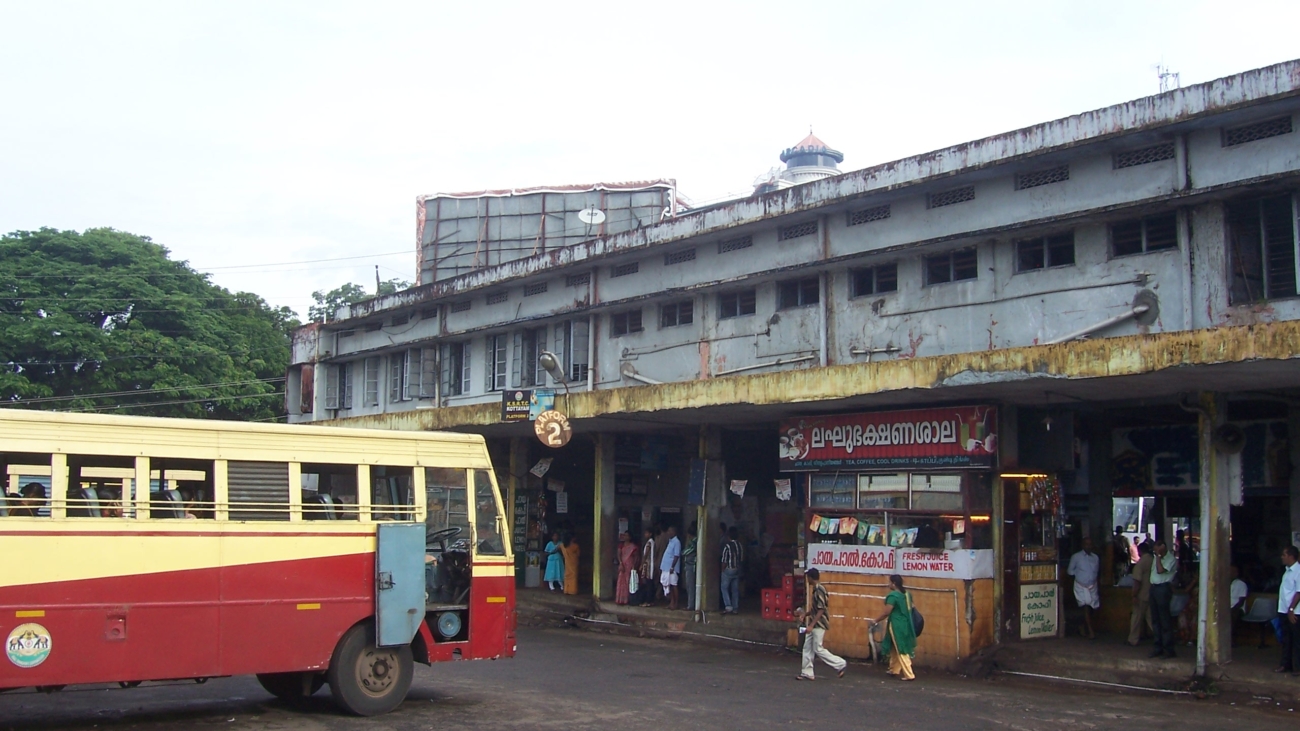
Kerala’s most visible, mobile and publicly scrutinised mechanical engineering system operates on roads rather than inside plants or stations. The Kerala State Road Transport Corporation represents this system. Every day, thousands of buses move across urban centres, highways, hill roads and rural routes, carrying lakhs of passengers. Behind this movement lies a continuous cycle of mechanical engineering work involving engines, transmissions, brakes, suspensions and structural systems. As Kerala looks toward 2047, the mechanical robustness of KSRTC’s fleet will directly shape public mobility, safety and economic productivity.
Mechanical engineering within KSRTC is defined by scale and repetition. At its peak, the corporation has operated more than 6,000 buses across dozens of depots and workshops. Each vehicle is a complex mechanical system subjected to vibration, heat, load variation, poor road conditions and continuous stop-start operation. Unlike private vehicles, KSRTC buses rarely rest. High utilisation accelerates wear and exposes design and maintenance weaknesses quickly.
Engine systems form the core mechanical workload. Diesel engines operate for long hours under varying loads, often in congested traffic and hilly terrain. Mechanical engineers manage fuel systems, lubrication, cooling and combustion efficiency. Overheating, injector wear and oil degradation are constant risks. Preventive maintenance schedules aim to address these issues before breakdowns occur, but operational pressure often compresses maintenance windows.
Transmission and drivetrain components experience intense stress. Gearboxes, clutches, propeller shafts and differentials must handle frequent gear changes, heavy loads and abrupt acceleration and braking. Misalignment or imbalance leads to vibration and premature failure. Mechanical engineers and technicians perform alignment, balancing and component replacement routinely to keep vehicles roadworthy.
Brake systems represent a critical safety domain. Air brakes, compressors, valves and actuators must function reliably under all conditions. Brake fade, air leakage or delayed response can have severe consequences in Kerala’s traffic environment. Engineers enforce inspection protocols, periodic overhauls and testing to maintain safety margins. Even minor deviations are treated seriously due to public risk.
Suspension and steering systems are under constant assault from road conditions. Potholes, uneven surfaces and speed breakers accelerate wear in springs, dampers, bushings and joints. Mechanical failures here affect ride comfort, tyre life and vehicle control. Engineers must balance durability with cost, often choosing components that can withstand abuse rather than ideal operating conditions.
Structural fatigue is an often overlooked aspect. Bus bodies experience cyclic loading, torsion and vibration throughout their service life. Cracks, corrosion and joint loosening develop gradually. Workshops inspect frames and body mounts, reinforcing or repairing structures to extend vehicle life. Coastal humidity and monsoon exposure accelerate corrosion, making protective treatments essential.
KSRTC’s mechanical engineering challenge is compounded by ageing fleets. Many buses operate well beyond their original design life due to budget constraints. Engineers must keep these vehicles running safely through phased overhauls, engine rebuilds and component substitution. This demands deep practical knowledge of legacy platforms and improvisation under constraint.
Workshops are the heart of KSRTC’s mechanical ecosystem. Central workshops handle major overhauls, while depot-level facilities perform daily inspections and minor repairs. Engines are stripped and rebuilt, gearboxes reconditioned, brake systems recalibrated. This distributed maintenance network allows the fleet to remain operational despite high utilisation.
Energy efficiency has become increasingly important. Fuel cost represents a major operating expense. Mechanical engineers work on tuning, preventive maintenance and driving practice feedback to improve mileage. Even small improvements, when multiplied across thousands of buses and millions of kilometres annually, yield significant savings.
The human element is central. Mechanics and engineers operate under intense pressure, often responding to breakdowns in real time. Roadside repairs, emergency towing and overnight fixes are common. Decision-making is immediate and consequences are public. This environment builds a form of applied mechanical expertise rooted in realism rather than ideal conditions.
Transition to alternative propulsion adds new mechanical dimensions. Electric buses introduce traction motors, battery thermal management, regenerative braking systems and high-voltage safety considerations. While electronics dominate public discussion, mechanical systems remain critical. Chassis integration, suspension load distribution and thermal control are mechanical challenges that determine reliability and lifespan.
Workshop infrastructure itself requires engineering attention. Lifts, pits, compressors, tools and handling equipment must be maintained to support fleet upkeep. Failure here cascades into vehicle downtime. Mechanical engineering therefore extends beyond buses to the entire maintenance ecosystem.
Safety culture is non-negotiable. A single mechanical failure can endanger dozens of passengers. Inspection protocols, checklists and certifications are enforced despite operational pressure. Engineers operate with an understanding that mechanical compromise has immediate human cost.
KSRTC’s mechanical system is one of Kerala’s largest moving engineering networks. Buses traverse every district, linking economic activity, education and healthcare. Mechanical reliability here has social consequences far beyond transport metrics. Missed services disrupt livelihoods; unsafe vehicles threaten lives.
By 2047, public transport demand will increase as urbanisation and environmental constraints intensify. Mechanical systems will need to be more reliable, cleaner and adaptable. Hybrid and electric fleets will coexist with legacy systems for years. Engineers must manage this transition without service disruption.
KSRTC’s experience offers valuable lessons. High-utilisation mechanical systems demand conservative design, disciplined maintenance and skilled manpower. Digital monitoring may assist, but physical inspection and repair remain indispensable.
Public transport rarely receives recognition for its engineering depth. Yet it is here that mechanical systems interact most directly with daily life. The success of Kerala’s mobility future will depend less on policy declarations and more on whether buses start, stop and run safely every day.
KSRTC embodies this reality. It represents mechanical engineering under constant load, public visibility and financial constraint. Keeping such a system functional is not trivial; it is an achievement of applied engineering discipline.
As Kerala plans for 2047, strengthening the mechanical backbone of public transport will be essential for sustainability, equity and economic continuity. Mechanical engineering in KSRTC is not glamorous, but it is indispensable.
