
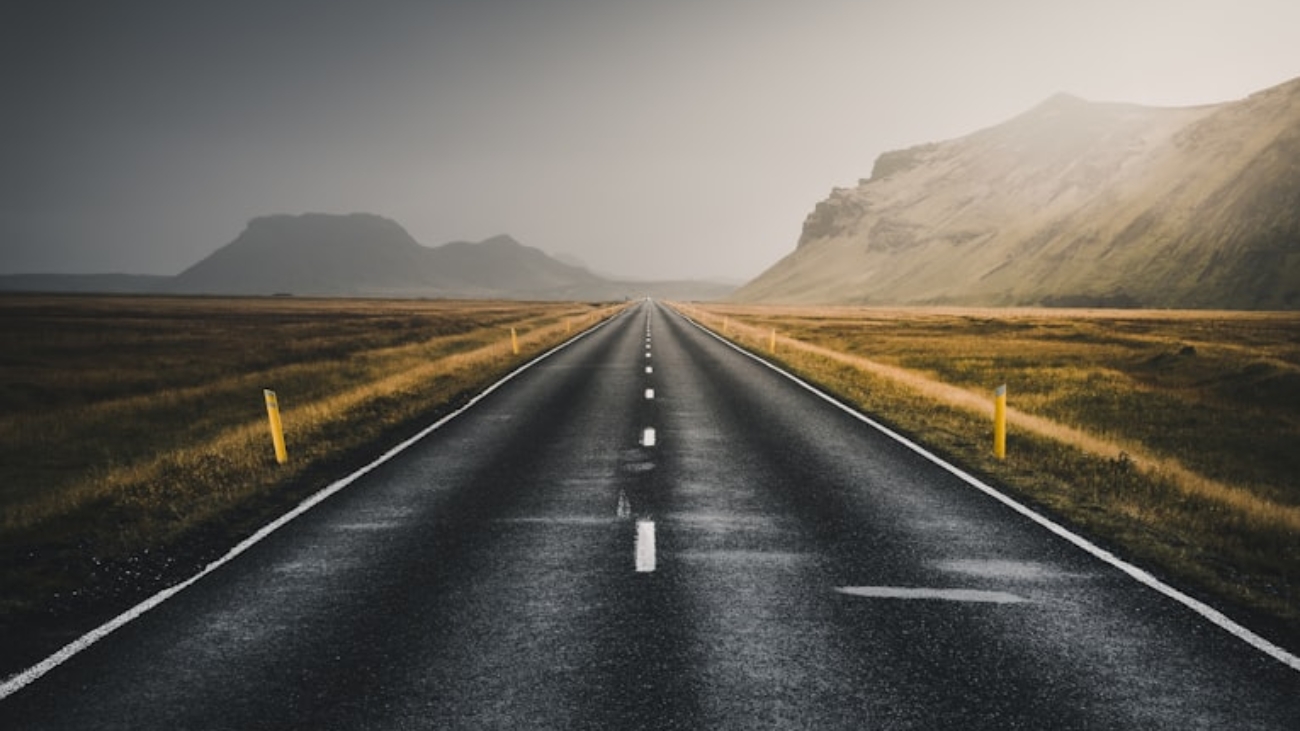
Kerala’s development journey has always been intertwined with its road network. Roads are the arteries through which the state’s economy, mobility, and social interactions flow. As we look toward 2047—the centenary of India’s independence—the Kerala PWD must evolve from a repairs-driven agency to an engineering-driven institution that builds durable, future-ready infrastructure. The goal is to move away from the cycle of construction, monsoon damage, patchwork, and repeated repairs, and instead create a road ecosystem that lasts longer, costs less over its lifetime, and adapts intelligently to Kerala’s challenging climate and geography.
This transformation begins with a shift in mindset. Road building must emphasise engineering quality rather than mere completion. Every project must be designed using scientific principles: accurate subgrade preparation, proper pavement thickness, well-planned drainage, and material selection tailored to Kerala’s humid environment. Budgets must move from annual spending patterns to life-cycle costing, ensuring roads are built with a 15–20-year horizon rather than short-term political considerations. Quality must be non-negotiable, with transparent audits and digital monitoring replacing manual inspection processes.
Climate resilience will be a central pillar of Kerala’s road network in 2047. The state’s monsoons are becoming more intense, landslides more frequent, and flooding more unpredictable. Roads that were acceptable in 2010 will fail under the climatic stress of the 2030s and 2040s. This demands advanced drainage systems, raised pavements in flood-prone areas, and mechanised desilting before monsoons. Hill roads must be strengthened with soil nailing, geotextile reinforcement, and retaining structures designed based on detailed slope stability modelling. Landslide-prone zones should be equipped with sensors capable of detecting soil movement and providing early warning signals. Rising temperatures will also require heat-resistant pavements using polymer-modified bitumen, fibre reinforcement, or white-topped concrete in high-traffic zones.
Kerala PWD must embrace digital transformation to become a modern infrastructure agency. A comprehensive Kerala Road Information System, built as a GIS-based digital twin of the entire network, should store real-time data on pavement conditions, traffic density, drainage health, and maintenance history. IoT sensors embedded in roads can detect cracks, moisture infiltration, and overload stress. Drones can inspect bridges, embankments, and difficult terrains. All contractor work should be tracked through digital dashboards, where every quality test, timeline, and cost update is transparent and accessible. This digital shift creates accountability, reduces corruption, and builds public trust.
Materials innovation will be essential for durability. High-stress urban corridors should increasingly use concrete pavements that can last up to thirty years with minimal maintenance. Rural and highway stretches can adopt modified bitumen mixes using recycled rubber, plastic waste, or nano-additives that enhance bonding and water resistance. Kerala, which generates significant demolition waste, can adopt recycled aggregates to reduce environmental damage and bring down construction costs. By 2047, Kerala should aim for all major PWD roads to meet sustainability certification norms, reinforcing the state’s leadership in green infrastructure.
Design and construction practices must also become more scientific and standardised. Pavement thickness and material specifications should be determined based on traffic projections rather than generic templates. A unified PWD Quality Manual should establish statewide standards for compaction, curing, drainage, and materials. Independent NABL-accredited labs must test every major project. Utility-related road cuts—a major source of road deterioration—must be addressed through a coordinated underground utility management system. Telecom and water lines should move toward trenchless technologies, and digging permissions must be digital and tightly controlled.
Kerala Vision 2047 also imagines roads as the foundation of a smarter mobility ecosystem. Roads will support electric vehicle charging networks, adaptive traffic systems, digital signages, and safe infrastructure for pedestrians and cyclists. Rural and urban areas will be better connected, improving access to education, healthcare, and employment. A modern road is no longer a static surface; it becomes an intelligent platform that connects citizens to opportunities.
For this transformation, Kerala PWD must evolve into a centre of engineering excellence. Continuous training, collaboration with premier engineering institutions, adoption of AI-based civil engineering tools, and recruitment of young engineers will strengthen institutional capacity. Contractor accountability must be tightened through performance-linked payments, transparent blacklisting systems, and protected project funds managed through escrow accounts.
Such an ambitious vision will require innovative financing. A combination of public investment, central schemes, green infrastructure financing, and multilateral development loans can support major upgrades. Urban corridors can be monetised through advertisement rights and service lane development, while CSR funds can be used for rural connectivity improvements. Investing in durable roads will save money over the long term by reducing recurring maintenance cycles.
By 2047, Kerala must imagine a road network that is resilient to monsoons, resistant to landslides, intelligently monitored, professionally managed, and globally benchmarked. Roads should become symbols of good governance and engineering pride. Citizens should trust that once a road is built, it will endure. Economic growth, tourism, agriculture, industry, and social development all depend on this backbone.
Kerala Vision 2047 calls for a PWD that leads with science, integrity, and modern engineering. It is a vision of roads that last, roads that empower, and roads that transform Kerala into a state ready for the challenges and opportunities of the next century.
