
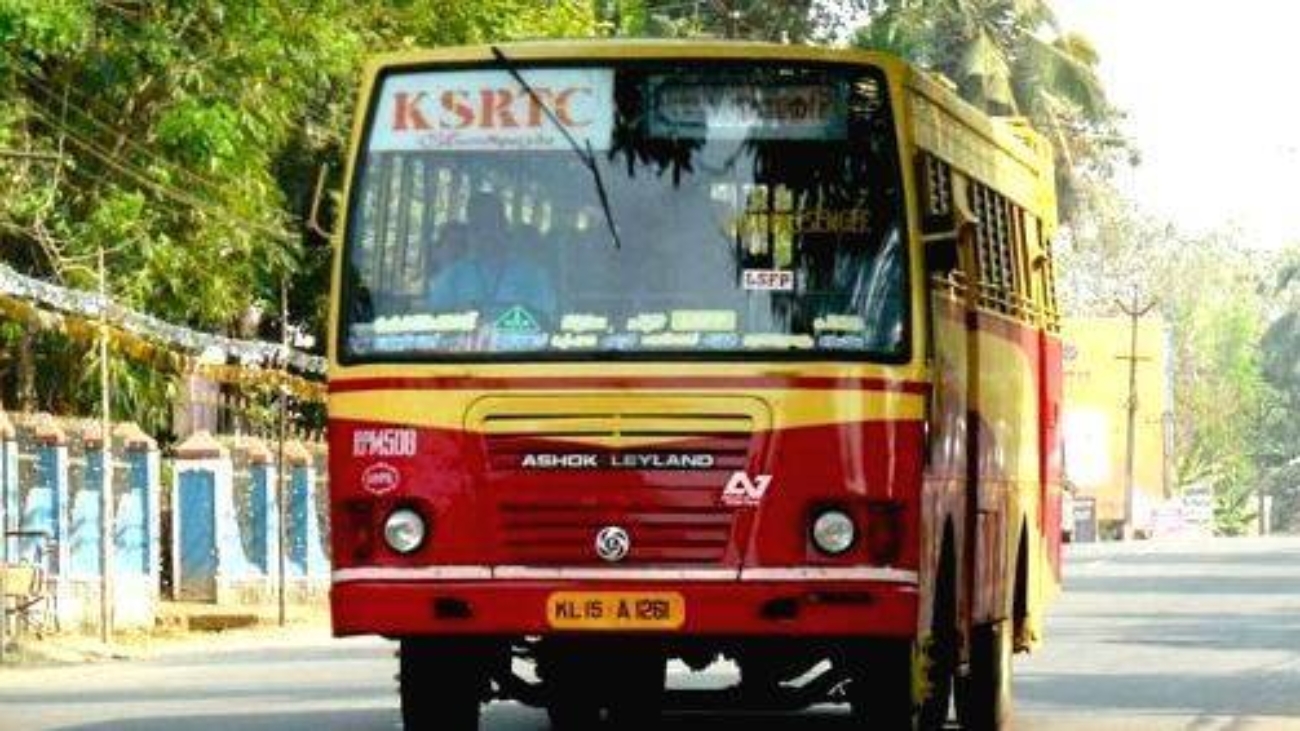
KSRTC has one of the largest and most under-leveraged human capital pools in Kerala’s public sector. Drivers, mechanics, electricians, body builders, and depot supervisors collectively represent decades of tacit operational knowledge. Today this workforce is viewed almost entirely as a cost centre. A standalone rethinking treats KSRTC as a skills institution that produces globally deployable transport professionals, while retaining a strong domestic core. By 2047, labour export and skills monetisation can become a structural revenue stream rather than an incidental outcome of migration.
Globally, there is an accelerating shortage of heavy vehicle drivers, electric bus technicians, and fleet operations supervisors. The European Union alone is estimated to face a shortfall of over 400,000 professional drivers by 2030, while the Gulf region is rapidly electrifying public transport systems without a matching skilled workforce. KSRTC already trains drivers internally, but this training is inward-looking and aligned only to local licensing norms. By upgrading just three existing KSRTC training centres into internationally benchmarked mobility skill academies, Kerala can tap into this gap.
Consider a conservative model where KSRTC trains and certifies 500 professionals per year to international standards. This includes 250 drivers, 150 electric vehicle technicians, and 100 fleet supervisors. Training costs, including simulators, instructors, and certification, may average ₹2.5 lakh per candidate. This amounts to an annual training investment of ₹12.5 crore. Placement fees charged to overseas employers or recruitment agencies can realistically be ₹2 lakh per candidate, generating ₹10 crore per year. While this appears modest initially, the real value lies in scale and reputation. At 2,000 candidates per year by 2035, annual gross inflow crosses ₹40 crore, excluding remittances into Kerala’s economy.
The indirect economic impact is far larger. Each overseas placement typically results in remittances of ₹12 to ₹18 lakh per year per worker. At just 1,000 placed workers, that is ₹150 crore per year flowing into Kerala households. Unlike unstructured migration, this is regulated, skill-certified, and institutionally backed. KSRTC becomes a guarantor of competence and discipline, attributes Kerala is already known for in nursing and healthcare.
This approach also solves an internal morale problem. Today, KSRTC employment is often seen as a stagnant career with limited growth. A skills export pathway changes this psychology. Younger recruits see KSRTC as a launchpad rather than a dead end. Even those who remain benefit from higher skill standards, better exposure, and a clearer sense of professional identity. Attrition becomes strategic rather than chaotic, allowing KSRTC to plan recruitment cycles rationally.
From an operational standpoint, international-standard training feeds back into domestic service quality. Electric bus diagnostics, predictive maintenance, advanced braking systems, and energy management are areas where global best practices are ahead of Indian norms. By training for export, KSRTC automatically upgrades its internal competence. Even if only 60 percent of trained staff eventually migrate, the remaining 40 percent raise the baseline quality of Kerala’s public transport.
There is also a geopolitical dimension. Kerala has long depended on informal Gulf migration channels. A KSRTC-backed skills export program allows the state to negotiate government-to-government mobility agreements focused on public transport, smart city operations, and green mobility. This elevates migration from a private survival strategy to a public economic instrument. Over time, Kerala can brand itself as a global supplier of ethical, disciplined public transport professionals, much like Japan supplies manufacturing process experts.
Financial structuring is crucial. The program should be run through a separate KSRTC Skills and Mobility Corporation, preventing operational budgets from being distorted. Initial capital can be raised through a combination of state grants, CSR funding from automotive manufacturers, and multilateral skill development funds. Break-even is achievable within five to seven years if scale is managed carefully.
By 2047, when automation and AI reduce traditional clerical and low-skill employment, skilled mobility professionals will remain in demand. Buses, metros, logistics fleets, and electric public transport systems still require human oversight, accountability, and safety-critical judgement. KSRTC’s evolution into a skills exporter ensures relevance in this future while reinforcing Kerala’s historic strength in human capital.
This idea deliberately moves beyond fare hikes, fleet upgrades, or route rationalisation. It treats KSRTC’s people as its most valuable exportable asset and aligns transport policy with Kerala’s broader remittance-driven economic reality. Instead of resisting global labour markets, KSRTC can shape them.
