
The Kerala State Planning Board plays a decisive yet often invisible role in shaping the future of agriculture in the state. While farmers experience schemes on the ground through departments and local bodies, it is the Planning Board that determines priorities, allocates resources, and frames long-term direction. If Kerala is to navigate climate change, food insecurity, and rural economic stress, the Planning Board must evolve from a budgeting and coordination institution into the strategic brain of agricultural transformation under Kerala Vision 2047.
Historically, agricultural planning in Kerala has been fragmented. Multiple departments, boards, and agencies operate in parallel, often with overlapping mandates and short-term objectives. The Planning Board’s role has largely been to aggregate proposals and distribute plan funds rather than enforce deep coherence across the agricultural ecosystem. By 2047, this must change. The Planning Board should function as the integrator that aligns crops, water, energy, infrastructure, markets, and livelihoods into a single, coherent agricultural strategy.
A critical function of the Planning Board is to shift agriculture from scheme-led thinking to outcome-led planning. Too often success is measured by fund utilization rather than farmer income stability, productivity gains, or resilience to climate shocks. Kerala Vision 2047 demands that the Planning Board define clear agricultural outcomes—food security thresholds, income benchmarks, land protection targets, and climate adaptation metrics—and ensure that every department’s work contributes measurably to these goals.
Data-driven planning must become the norm. By 2047, the Planning Board should oversee a unified agricultural data platform integrating land use, crop patterns, water availability, climate risk, market prices, and demographic trends. This intelligence would allow Kerala to anticipate crises rather than react to them—whether it is a vegetable glut, a rice shortage, or climate-induced crop failure. Planning must move from annual cycles to continuous, adaptive decision-making.
The Planning Board is uniquely placed to break silos between agriculture and other sectors. Food security is inseparable from health. Farm viability is linked to labor markets, migration, and education. Climate resilience intersects with infrastructure, housing, and disaster management. Kerala Vision 2047 requires the Planning Board to actively force convergence—ensuring, for example, that irrigation investments align with crop choices, or that nutrition programs are linked to local farm production.
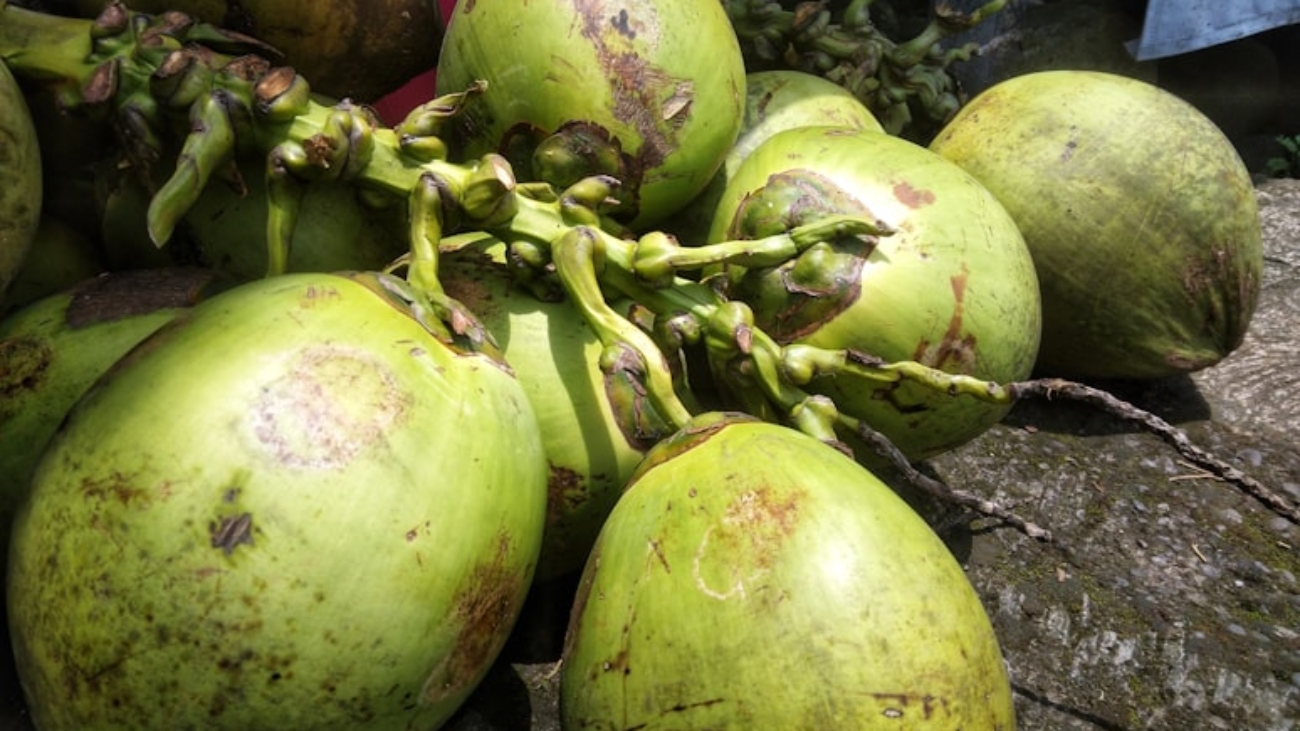
Financial architecture is another area where the Planning Board’s influence is critical. Agriculture in Kerala often suffers from thin, scattered funding across many small schemes. By 2047, the Planning Board should design multi-year, mission-mode investments in key agricultural priorities such as paddy revival, coconut replantation, vegetable self-sufficiency, and spice value addition. Stable, long-term funding signals seriousness and allows farmers and institutions to plan beyond a single season.
The Planning Board must also become the custodian of intergenerational agricultural thinking. Political cycles are short, but agriculture unfolds over decades. Decisions on land use, plantation crops, and water systems have long-term consequences. Kerala Vision 2047 demands that the Planning Board act as an institutional memory and moral anchor, resisting short-term populism when it threatens long-term food and ecological security.
Equally important is the Planning Board’s role in empowering local self-governments. Decentralization is a strength of Kerala, but without strategic guidance it can lead to uneven outcomes. By 2047, the Planning Board should provide LSGs with clear frameworks, toolkits, and benchmarks for agricultural planning, allowing local innovation within a shared statewide vision.
By 2047, the Kerala State Planning Board must no longer be seen merely as a fund allocator or coordinator, but as the institution that thinks deeply, rigorously, and courageously about the future of agriculture. If it succeeds in this role, Kerala can move from reactive agricultural management to deliberate, intelligent, and resilient food system governance.
