
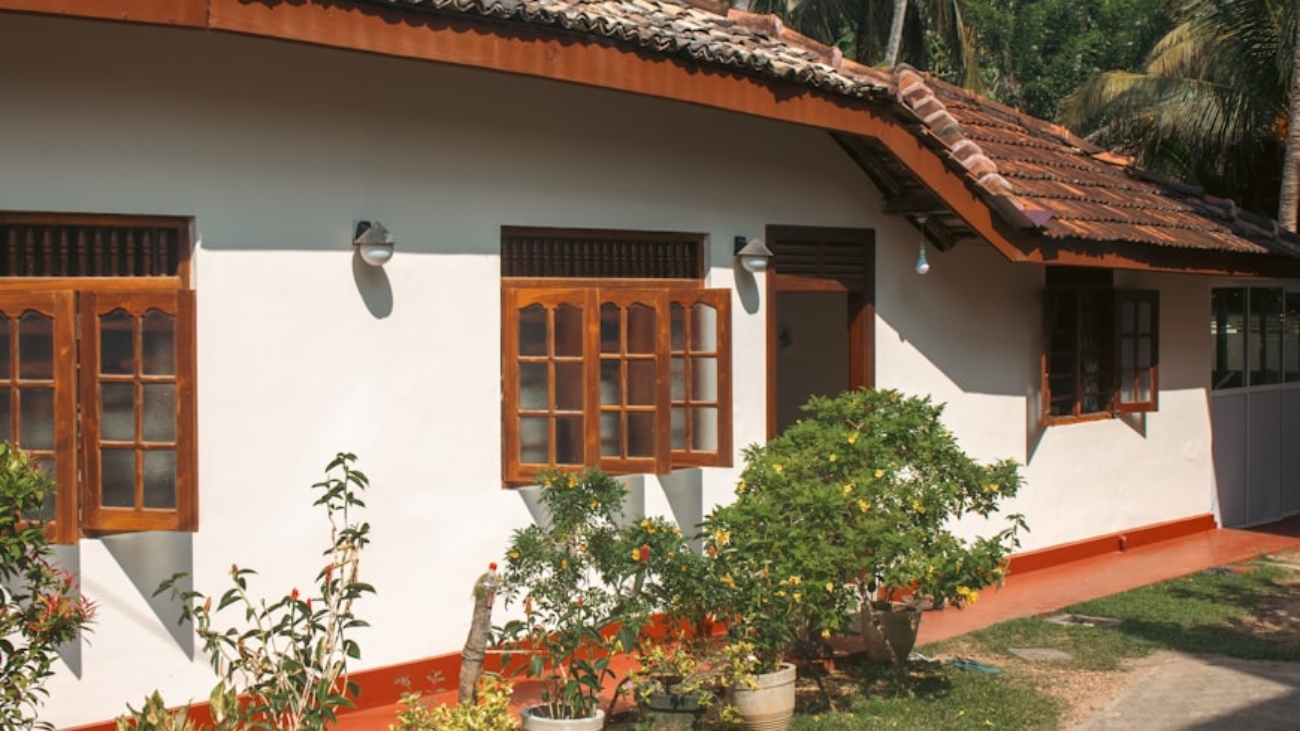
Kerala stands at a demographic and cultural crossroads. The state that once celebrated large, joint families, vibrant rituals, strong marriages, and intergenerational continuity is now facing a profound transformation. Birth rates have fallen below replacement levels. Divorces are rising steadily. Traditional rituals that once structured life—from childhood to old age—are fading in urban spaces. Western lifestyle models centred on individualism, nuclear households, and fluid relationships are becoming mainstream among younger generations. These changes reflect modernity and freedom, but they also carry consequences: shrinking support systems, emotional isolation, rising mental health challenges, and a weakening sense of community belonging. Kerala Vision 2047 must address this quietly unfolding social crisis with sensitivity, balance, and foresight.
The first dimension of this challenge is demographic decline. Kerala’s total fertility rate is currently far below replacement, making it one of the fastest-aging societies in India. By 2047, a large share of the population will be elderly, while the number of young people entering the workforce will shrink dramatically. This places enormous pressure on healthcare systems, pensions, and the economy’s productive base. A society without sufficient youth cannot sustain long-term growth. Vision 2047 must therefore focus on creating conditions where families feel confident to have children. This requires improving housing affordability, expanding childcare support, offering financial incentives for families with two or more children, and creating flexible work opportunities—especially for women. More importantly, Kerala must restore cultural support for parenthood, making it a celebrated and assisted journey rather than an overwhelming burden.
Another critical area is the rise in divorces and marital breakdowns. Kerala’s divorce rate is among the highest in India, driven by financial stress, migration-related separation, communication gaps, unrealistic expectations, social media pressures, and shifting gender dynamics. While divorce itself is not a failure—it can be a path to dignity—it is also a sign that relationships are becoming more fragile. Kerala must invest in pre-marital counselling, relationship education in schools and colleges, community-based family support centres, and easily accessible mental health services. Marriage should be entered with clarity, mutual understanding, and emotional maturity rather than purely social pressure. The state must normalise healthy relationship conversations—giving couples tools to understand conflict, manage expectations, and seek help early.
Kerala is also experiencing a slow but steady erosion of rituals. Rituals are not mere ceremonies; they provide psychological milestones, community bonding, intergenerational continuity, and moral grounding. In many families, traditional naming ceremonies, puberty rituals, temple rituals, seasonal celebrations, and ancestral remembrance practices have weakened. Urban life, migration, and digital distraction have disrupted these patterns. By 2047, Kerala must revive rituals in modern formats—shorter, eco-friendly, community-oriented, and youth-inclusive. Temples, churches, and community organisations must play an active role in creating rituals that reflect contemporary values while retaining spiritual depth. Schools should include cultural literacy programmes that teach the meaning behind rituals rather than treating them as outdated customs. When rituals regain relevance, families regain emotional cohesion.
The influence of Western family models—both positive and negative—forms another layer of complexity. Western societies emphasise autonomy, personal freedom, gender equality, and career orientation, all of which resonate with Kerala’s youth. But these models also come with challenges: loneliness, weak communal ties, transactional relationships, and declining long-term commitment. Kerala cannot simply import or reject Western models; it must create a hybrid family culture that balances individuality with community, equality with responsibility, and freedom with stability. This means redesigning family expectations, not reverting blindly to the past. Young couples must be given the tools to manage dual-career households, financial planning, shared parenting, and digital boundaries. A future-ready family structure is one where both partners thrive, children grow securely, and elders remain integrated—not isolated.
A major obstacle to strong families in Kerala is economic pressure. High costs of living, expensive education, limited career growth, and the aspiration for global lifestyles create immense strain. Many young couples delay marriage or avoid parenthood because they feel financially unprepared. Vision 2047 must therefore align family policy with economic policy. Affordable housing, accessible healthcare, stable jobs, women-friendly workplaces, and social security for caregivers must be integral to Kerala’s development plan. Empowering families economically is the foundation for empowering them emotionally.
The next dimension involves migration and its impact on family structure. Kerala’s migration to the Gulf and the West has brought prosperity but also created millions of long-distance marriages, single-parent households, and intergenerational gaps. Children grow up with one parent while the other works abroad. Elderly parents live alone. Couples face emotional distance. With global AI disruptions likely to trigger return migration, Kerala must be ready to support family reintegration. Counselling programmes, financial planning support, and community networks are essential to help families rebuild connections after years of separation.
Kerala must also strengthen elderly integration within families. With an aging population, more seniors will require long-term care. By 2047, Kerala must create a new care ecosystem—community day-care centres, home-care services, intergenerational housing models, geriatric health cooperatives, and incentives for families that keep elders at home. Elders carry wisdom, emotional stability, and cultural memory. A Kerala that respects and integrates its elders will naturally strengthen family bonds.
Youth mental health forms another core concern. Rising anxiety, loneliness, digital addiction, and emotional detachment weaken young people’s ability to form stable relationships. Schools must include emotional intelligence training, mindfulness programmes, community service, and structured social engagement to build resilience. A mentally healthy youth population naturally builds stronger families.
Religious institutions—temples, mosques, churches—can play a transformative role if they evolve. Instead of focusing only on ritual aspects, they must become centres for family resilience: hosting parenting workshops, relationship counselling, community meals, cultural events, youth mentorship, and interfaith dialogue. When families find support within community spaces, social cohesion increases.
Kerala must also promote flexible family models while protecting core values. Co-living communities for young professionals, multi-generational homes, community parenting groups, and cooperative childcare systems can offer new support structures. Families need not look exactly as they did decades ago, but they must remain emotionally functional, supportive, and connected.
Finally, Kerala must adopt a storytelling approach to rebuild cultural confidence. Films, web series, literature, podcasts, and schools must celebrate parenthood, stable partnerships, intergenerational bonds, and cultural rituals without moralising. Youth must see that family is not a restriction but a source of strength.
By 2047, Kerala must aim to build a society where families—whatever their structure—are emotionally strong, economically stable, culturally rooted, and socially supported. A society where birth rates rise because raising a child feels possible. A society where marriages have space to grow, not collapse. A society where rituals provide meaning rather than burden. A society that takes the best of global models but retains its own soul.
Strong families are the foundation of a resilient Kerala. If Kerala invests in them today, the state will enter 2047 with confidence, stability, and a renewed cultural identity.
