
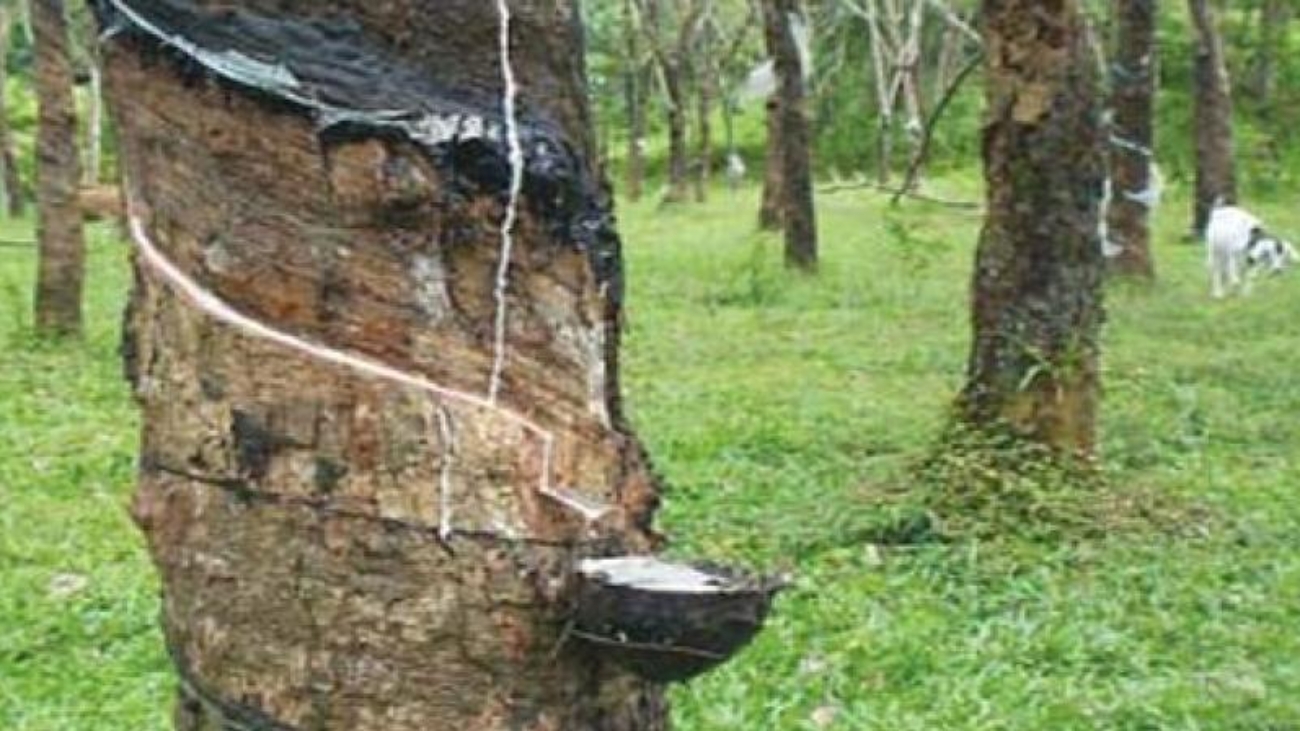
ഒരു കേന്ദ്ര സ്ഥാപനമാണെങ്കിലും, കേരളത്തിൽ ആഴത്തിലുള്ള സാമൂഹിക, സാമ്പത്തിക, സ്ഥാപനപരമായ കാൽപ്പാടുകൾ റബ്ബർ ബോർഡിനുണ്ട്. പതിറ്റാണ്ടുകളായി, കോട്ടയം, പത്തനംതിട്ട, കൊല്ലം, ഇടുക്കി, എറണാകുളം എന്നിവിടങ്ങളിലെ ലക്ഷക്കണക്കിന് ചെറുകിട റബ്ബർ കർഷകരുടെ ജീവിതത്തെ അവർ രൂപപ്പെടുത്തിയിട്ടുണ്ട്. എന്നാൽ ഇന്ന്, റബ്ബർ കർഷകർ ഈ മേഖലയെ ഉറപ്പിനേക്കാൾ ഉത്കണ്ഠയുമായി ബന്ധപ്പെടുത്തുന്നു. അതിനാൽ കേരള വിഷൻ 2047 റബ്ബർ ബോർഡിനെ ഒരു നിയന്ത്രണ സ്ഥാപനമോ ഗവേഷണ സ്ഥാപനമോ ആയിട്ടല്ല, മറിച്ച് കർഷക വരുമാനം, മെറ്റീരിയൽ നവീകരണം, ദീർഘകാല ഗ്രാമീണ ആത്മവിശ്വാസം എന്നിവ ഉറപ്പ് നൽകുന്ന ഒരു സ്ഥിരത ശക്തിയായി പുനർവിചിന്തനം ചെയ്യണം.
ചരിത്രപരമായി, റബ്ബർ കൃഷി വ്യാപിപ്പിക്കുന്നതിലും, നടീൽ വസ്തുക്കൾ മെച്ചപ്പെടുത്തുന്നതിലും, പുനർകൃഷിയെ പിന്തുണയ്ക്കുന്നതിലും റബ്ബർ ബോർഡ് ശക്തമായ പങ്ക് വഹിച്ചിട്ടുണ്ട്. എന്നിരുന്നാലും, ആഗോളവൽക്കരണം, സിന്തറ്റിക് പകരക്കാർ, അസ്ഥിരമായ അന്താരാഷ്ട്ര വിലകൾ എന്നിവ പരമ്പരാഗത ഇടപെടലുകളുടെ ഫലപ്രാപ്തിയെ ദുർബലപ്പെടുത്തി. എത്ര സാങ്കേതിക ഉപദേശം നൽകിയാലും മാത്രം പരിഹരിക്കാൻ കഴിയാത്ത താഴ്ന്ന വിലയുടെ നീണ്ട കാലഘട്ടങ്ങളെ കർഷകർ ഇപ്പോൾ നേരിടുന്നു. 2047 ആകുമ്പോഴേക്കും റബ്ബർ ബോർഡിന്റെ പ്രധാന ദൗത്യം വിപുലീകരണത്തിൽ നിന്നും ഉൽപ്പാദനക്ഷമതയിൽ നിന്നും വരുമാന സ്ഥിരതയിലേക്കും മൂല്യ സംയോജനത്തിലേക്കും മാറണം.
വിലയിലെ ചാഞ്ചാട്ടമാണ് റബ്ബർ കൃഷിക്ക് ഏറ്റവും വലിയ ഭീഷണി. ചെറുകിട ഉടമകൾക്ക് ഒന്നിലധികം വർഷത്തെ വിലത്തകർച്ചയെ ഉൾക്കൊള്ളാൻ കഴിയില്ല, പ്രത്യേകിച്ച് ദീർഘകാല ഗർഭധാരണവും പുനർനിർമ്മാണ ചക്രങ്ങളുമുള്ള ഒരു വിളയിൽ. കേരള വിഷൻ 2047 റബ്ബർ ബോർഡ് ഒരു സജീവ മാർക്കറ്റ് സ്റ്റെബിലൈസർ ആകണമെന്ന് ആവശ്യപ്പെടുന്നു. ഇതിനർത്ഥം ശക്തമായ വില പിന്തുണാ സംവിധാനങ്ങൾ, ബഫർ സ്റ്റോക്കിംഗ്, കാലിബ്രേറ്റഡ് ഇറക്കുമതി മാനേജ്മെന്റ്, ദൈനംദിന അനിശ്ചിതത്വത്തിന് പകരം ഭാവി പ്രവണതകളെക്കുറിച്ച് കർഷകർക്ക് ദൃശ്യപരത നൽകുന്ന സുതാര്യമായ വില പ്രവചന സംവിധാനങ്ങൾ എന്നിവയാണ്.
കർഷകർക്ക് പുനർ നടീൽ അനിവാര്യമായി തുടരുന്നു, പക്ഷേ കർഷകർക്ക് അത്യന്തം അപകടകരമാണ്. പഴക്കം ചെന്ന മരങ്ങൾ വിളവ് കുറയ്ക്കുന്നു, എന്നാൽ വെട്ടിമാറ്റുന്നതും വീണ്ടും നടുന്നതും വർഷങ്ങളോളം വരുമാനമില്ലാത്ത അവസ്ഥയിലേക്ക് നയിക്കുന്നു. 2047 ആകുമ്പോഴേക്കും, റബ്ബർ ബോർഡ് വരുമാന പിന്തുണ, ഇടവിള മാർഗ്ഗനിർദ്ദേശം, ദീർഘകാല ധനസഹായം എന്നിവ സംയോജിപ്പിച്ച് ഒരു സംരക്ഷിത പരിവർത്തനമായി പുനർ നടീൽ രൂപകൽപ്പന ചെയ്യണം. റബ്ബർ ഫാമുകൾ ഒറ്റവിള തോട്ടങ്ങൾക്ക് പകരം വൈവിധ്യമാർന്ന കാർഷിക വനവൽക്കരണ സംവിധാനങ്ങളായി പുനർ രൂപകൽപ്പന ചെയ്യണം, അങ്ങനെ റബ്ബറിനെ മാത്രം ആശ്രയിക്കുന്നത് കുറയ്ക്കും.
ലബോറട്ടറി വിജയത്തിൽ നിന്ന് ഫീൽഡ് പ്രസക്തിയിലേക്ക് ഗവേഷണം പരിണമിക്കേണ്ടതുണ്ട്. കാലാവസ്ഥാ സമ്മർദ്ദം, രോഗ സമ്മർദ്ദം, തൊഴിലാളി ക്ഷാമം എന്നിവ പുതിയ റബ്ബർ സംവിധാനങ്ങൾ ആവശ്യപ്പെടുന്നു, പുതിയ ക്ലോണുകൾ മാത്രമല്ല. 2047 ആകുമ്പോഴേക്കും റബ്ബർ ബോർഡിന്റെ ഗവേഷണ അജണ്ട മെറ്റീരിയൽ സയൻസ്, കാലാവസ്ഥാ പൊരുത്തപ്പെടുത്തൽ, കാർഷിക സാമ്പത്തിക ശാസ്ത്രം എന്നിവ സമന്വയിപ്പിക്കണം. കുറഞ്ഞ കാർബൺ, ബയോഡീഗ്രേഡബിൾ വസ്തുക്കളുടെ ഭാവിയിൽ പ്രകൃതിദത്ത റബ്ബറിന്റെ പങ്ക് സജീവമായി പര്യവേക്ഷണം ചെയ്യുകയും കർഷകരുടെ ആവശ്യത്തിലേക്ക് വിവർത്തനം ചെയ്യുകയും വേണം.
മൂല്യവർദ്ധനവ് വഴി റബ്ബർ ബോർഡിന് അതിന്റെ പൈതൃകം പുനർനിർവചിക്കാൻ കഴിയും. കേരളം അസംസ്കൃത റബ്ബർ ഉത്പാദിപ്പിക്കുന്നു, പക്ഷേ താഴ്ന്ന മൂല്യങ്ങൾ പിടിച്ചെടുക്കുന്നില്ല. വിഷൻ 2047 ആവശ്യപ്പെടുന്നത് റബ്ബർ ബോർഡ് കേരളത്തിനുള്ളിൽ റബ്ബർ അധിഷ്ഠിത ഉൽപാദന ആവാസവ്യവസ്ഥയെ സജീവമായി സഹായിക്കണമെന്നാണ്. മെഡിക്കൽ ഗ്ലൗസുകൾ, വ്യാവസായിക ഘടകങ്ങൾ, പാദരക്ഷകൾ, ഓട്ടോമോട്ടീവ് ഭാഗങ്ങൾ, ഗ്രീൻ കോമ്പോസിറ്റുകൾ എന്നിവയ്ക്ക് ആഗോള ചരക്ക് ചക്രങ്ങളിൽ നിന്ന് കർഷകരെ സംരക്ഷിക്കുന്ന സ്ഥിരമായ ആഭ്യന്തര ആവശ്യം സൃഷ്ടിക്കാൻ കഴിയും. ഈ വ്യാവസായിക ആങ്കറിംഗിൽ നിന്ന് കർഷകർക്ക് പരോക്ഷമായും എന്നാൽ നിർണായകമായും പ്രയോജനം ലഭിക്കണം.
ചെറുകിട ഉടമകളുടെ സംഘടന നിർണായകമാണ്. വ്യക്തിഗത റബ്ബർ കർഷകർ വിപണികളിൽ ഘടനാപരമായി ദുർബലരാണ്. 2047 ആകുമ്പോഴേക്കും, റബ്ബർ ബോർഡ്, ഉൽപ്പന്നങ്ങൾ സംയോജിപ്പിക്കുകയും, ഗുണനിലവാരം മാനദണ്ഡമാക്കുകയും, പ്രോസസ്സറുകളുമായി നേരിട്ട് ചർച്ച നടത്തുകയും ചെയ്യുന്ന റബ്ബർ കേന്ദ്രീകൃത കർഷക ഉൽപാദക സംഘടനകളെ ശക്തിപ്പെടുത്തണം. അസ്ഥിരമായ ആഗോള വിപണികളെ നേരിടാൻ കൂട്ടായ ശക്തി മാത്രമാണ് ഏക സുസ്ഥിരമായ പ്രതിരോധം.
തൊഴിൽ യാഥാർത്ഥ്യങ്ങളും പരിഗണിക്കപ്പെടേണ്ടതുണ്ട്. റബ്ബർ ടാപ്പിംഗ് കൂടുതൽ ശാരീരികമായി ബുദ്ധിമുട്ടുള്ളതും ചെറുപ്പക്കാരായ തൊഴിലാളികൾക്ക് ആകർഷകമല്ലാത്തതുമായി മാറുന്നു. യന്ത്രവൽക്കരണം, നൈപുണ്യ നവീകരണം, മാന്യമായ തൊഴിൽ സാഹചര്യങ്ങൾ എന്നിവ അത്യാവശ്യമാണ്. റബ്ബറുമായി ബന്ധപ്പെട്ട ജോലിയെ ശാരീരിക അധ്വാനം കുറയ്ക്കുന്നതിനുപകരം വൈദഗ്ധ്യമുള്ള ഗ്രാമീണ തൊഴിലായി പുനർനിർവചിക്കുന്നതിൽ റബ്ബർ ബോർഡ് ഒരു പങ്കു വഹിക്കണം.
ഒടുവിൽ, വിശ്വാസം പുനർനിർമ്മിക്കണം. ഇന്ന് പല കർഷകരും റബ്ബർ ബോർഡിനെ അവരുടെ ജീവിത പോരാട്ടങ്ങളിൽ നിന്ന് വളരെ അകലെയായി കാണുന്നു. കേരള വിഷൻ 2047 കൂടുതൽ ദൃശ്യവും, സഹാനുഭൂതിയും, കർഷകരെ അഭിമുഖീകരിക്കുന്നതുമായ ഒരു സ്ഥാപനത്തെയാണ് ആവശ്യപ്പെടുന്നത് – വ്യക്തമായി ആശയവിനിമയം നടത്തുന്ന, പ്രതിസന്ധികൾ മുൻകൂട്ടി കാണുന്ന, വളർച്ചാ ഘട്ടങ്ങളിൽ മാത്രമല്ല, മാന്ദ്യകാലത്തും കർഷകരോടൊപ്പം നിൽക്കുന്ന ഒരു സ്ഥാപനം.
2047 ആകുമ്പോഴേക്കും റബ്ബർ ബോർഡ് ഒരു വിളയുടെ സംരക്ഷകൻ എന്ന നിലയിൽ മാത്രമല്ല, കേരളത്തിലെ റബ്ബർ കർഷകർക്ക് സ്ഥിരത, നൂതനത്വം, അന്തസ്സ് എന്നിവയുടെ ഉറപ്പ് നൽകുന്നതായി നിലകൊള്ളണം. റബ്ബറിനെ ദുർബലമായ ഒരു വസ്തുവായി കണക്കാക്കുന്നതിനുപകരം തന്ത്രപരമായ ഒരു വസ്തുവായി കണക്കാക്കുമ്പോൾ, കർഷകരുടെയും സംസ്ഥാനത്തിന്റെയും ഭാവി വീണ്ടും ഒത്തുചേരും.
