
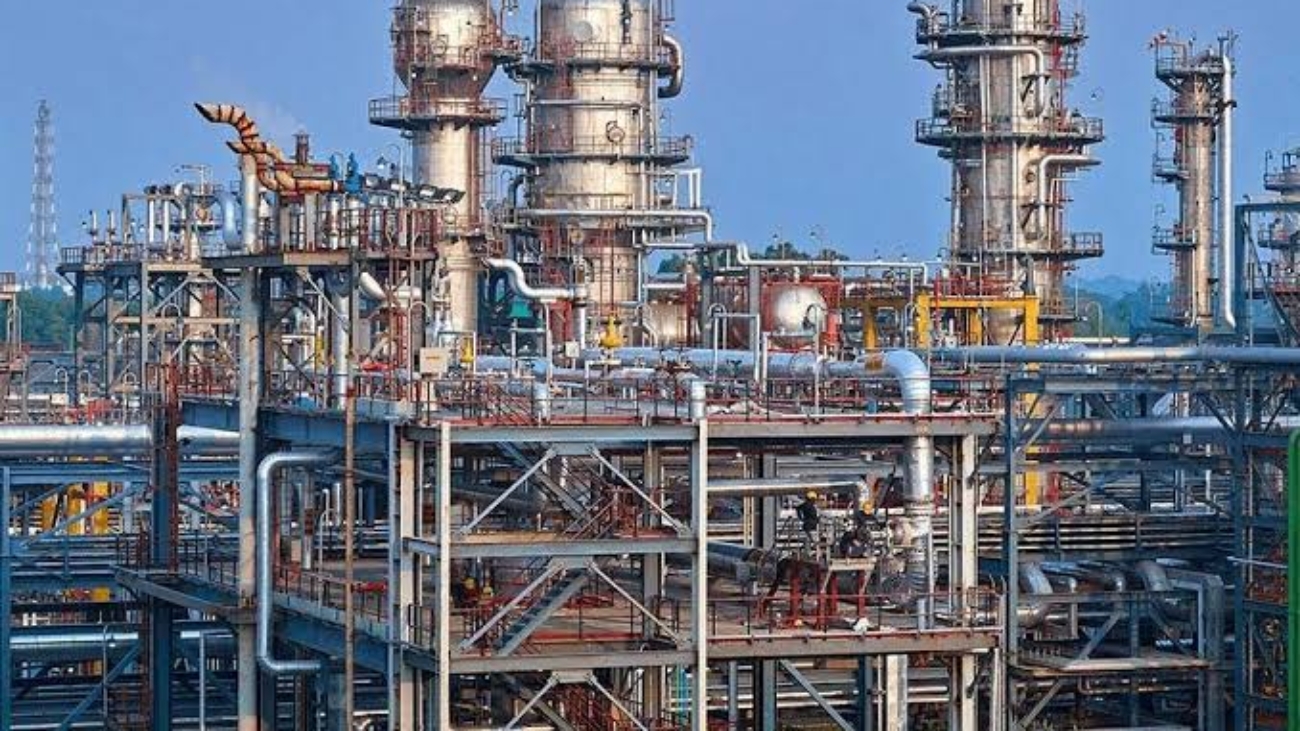
Kerala’s most complex and large-scale chemistry system operates where crude hydrocarbons are continuously transformed into fuels, feedstocks and energy carriers that power the state and the country. The BPCL Kochi Refinery represents this system. It is not a single chemical process but a tightly integrated network of reactions, separations and transformations operating under extreme temperature, pressure and hazard. As Kerala looks toward 2047, the chemistry executed within this refinery will remain central to energy security, industrial continuity and transition planning.
Refining chemistry begins with crude oil, a chemically diverse mixture containing thousands of hydrocarbons along with sulphur, nitrogen, metals and other impurities. Kochi Refinery processes multiple crude types sourced from different geographies. Each crude behaves differently under heat and pressure. Chemists must understand crude assays in detail, predicting how components will vaporise, crack, reform or poison catalysts. Refinery operation is therefore chemistry-driven long before mechanical or logistical considerations enter the picture.
Distillation chemistry forms the backbone of refinery operations. Atmospheric and vacuum distillation columns separate crude into fractions based on boiling ranges. While this appears physical, it is deeply chemical. Molecular weight distribution, vapour–liquid equilibrium and thermal stability determine cut quality. Improper separation affects downstream units, cascading into yield loss and quality deviation. Chemists continuously monitor composition profiles to keep the system balanced.
Conversion chemistry defines refinery value. Units such as fluid catalytic cracking, hydrocracking and reforming break and rearrange hydrocarbon molecules to produce high-value fuels. These reactions occur over catalysts at elevated temperatures and pressures. Catalyst activity, selectivity and deactivation are chemical variables of strategic importance. Small changes in feed composition or operating conditions can significantly alter product yield and emissions.
Hydrogen chemistry is central to modern refining. Desulphurisation, hydrocracking and saturation reactions all depend on hydrogen availability and purity. Hydrogen networks operate across the refinery, linking multiple units. Managing hydrogen balance is a chemical optimisation problem. Shortage limits conversion; excess wastes energy. Chemists track hydrogen consumption, recovery and purity continuously.
Sulphur chemistry represents both a challenge and an opportunity. Crude oil contains sulphur compounds that must be removed to meet fuel standards and environmental norms. Hydrodesulphurisation converts sulphur into hydrogen sulphide, which is then processed in sulphur recovery units. These reactions must achieve high efficiency to prevent emissions. Sulphur recovery chemistry is therefore directly tied to regulatory compliance and community safety.
Fuel quality chemistry connects refinery output to public use. Petrol, diesel, LPG and aviation fuels must meet stringent specifications for octane, cetane, volatility, sulphur content and stability. Blending chemistry is critical. Multiple streams are combined in precise ratios to achieve target properties. Chemists ensure that blended fuels perform reliably across engines, climates and storage conditions.
Environmental chemistry is inseparable from refining. Effluents, emissions and solid wastes are chemically treated before release. Wastewater contains hydrocarbons, phenols, sulphides and other contaminants. Treatment involves neutralisation, biological degradation and polishing stages. Air emissions are controlled through chemical scrubbing and catalytic treatment. Compliance depends on chemical effectiveness, not paperwork.
Energy integration is a chemical as well as engineering problem. Heat released from exothermic reactions is recovered and reused. Reaction severity affects furnace duty and emissions. Chemists work with engineers to optimise reaction pathways that reduce energy intensity. Even small efficiency gains matter in a continuous plant operating at national scale.
The hazard profile of refinery chemistry is high. Flammable hydrocarbons, toxic gases and high-pressure systems coexist. Chemical stability is therefore a safety imperative. Runaway reactions, catalyst hotspots or unexpected feed contaminants can escalate rapidly. Chemists design operating envelopes conservatively and rely on layered monitoring to detect early deviation.
Catalyst chemistry deserves special attention. Refinery catalysts are sophisticated materials designed for specific reactions. Their life cycle, regeneration and disposal are chemically managed. Poisoning by metals or sulphur reduces effectiveness. Chemists analyse catalyst performance trends and plan regeneration or replacement schedules to maintain conversion efficiency.
The scale of chemical data generated at Kochi Refinery is enormous. Thousands of process variables are monitored continuously. Yet data alone does not ensure control. Chemical understanding is required to interpret trends, distinguish signal from noise and decide corrective action. Automation assists, but chemistry directs.
Crude supply volatility introduces ongoing chemical adaptation. Geopolitical shifts alter crude availability. Each new crude blend changes reaction behaviour. Chemists evaluate these changes before introduction, adjusting operating conditions to maintain safety and yield. This flexibility is a chemical capability built over years of experience.
Refinery chemistry also supports downstream industries. Petrochemical feedstocks, bitumen and speciality products originate here. Quality deviations propagate downstream, affecting manufacturing and infrastructure. Chemical consistency at the refinery stabilises multiple value chains.
As Kerala approaches 2047, the role of refinery chemistry will evolve. Energy transition pressures will intensify. Emission limits will tighten. Alternative fuels and bio-blends will enter the system. Each transition introduces new chemical interactions and uncertainties. Managing them safely requires deep chemical competence rather than simple substitution.
Decarbonisation strategies such as hydrogen integration, carbon capture and fuel reformulation are fundamentally chemical challenges. Kochi Refinery’s experience with hydrogen, catalysts and separation chemistry positions it to adapt, provided investments and skills keep pace.
Human expertise remains the anchor. Refinery chemists develop intuition about unit behaviour under stress, start-up and upset conditions. This tacit knowledge complements models and simulators. Preserving it through training and succession planning is critical as experienced personnel retire.
Public visibility of refinery chemistry is limited when operations are smooth. Fuels are available, emissions are controlled, incidents are absent. Yet this normalcy is the product of continuous chemical vigilance. Failures, when they occur, remind everyone of the underlying hazard.
Kerala’s economic and mobility systems depend on the chemistry executed daily at Kochi Refinery. Even as the energy mix evolves, this dependency will not disappear overnight. Managing the transition safely requires respect for chemical reality.
BPCL Kochi Refinery represents chemistry at national scale, executed under constraint, scrutiny and hazard. It is not experimental chemistry. It is chemistry as infrastructure, where success is measured in continuity rather than novelty.
As Kerala frames its long-term vision, acknowledging and strengthening such chemical systems is essential. They form the bridge between today’s energy reality and tomorrow’s transition. Weakening them prematurely creates risk; modernising them intelligently creates resilience.
Kochi Refinery’s chemistry shows that transformation begins with control. In a future defined by tighter margins and higher expectations, this form of disciplined, large-scale chemistry will remain indispensable.
