
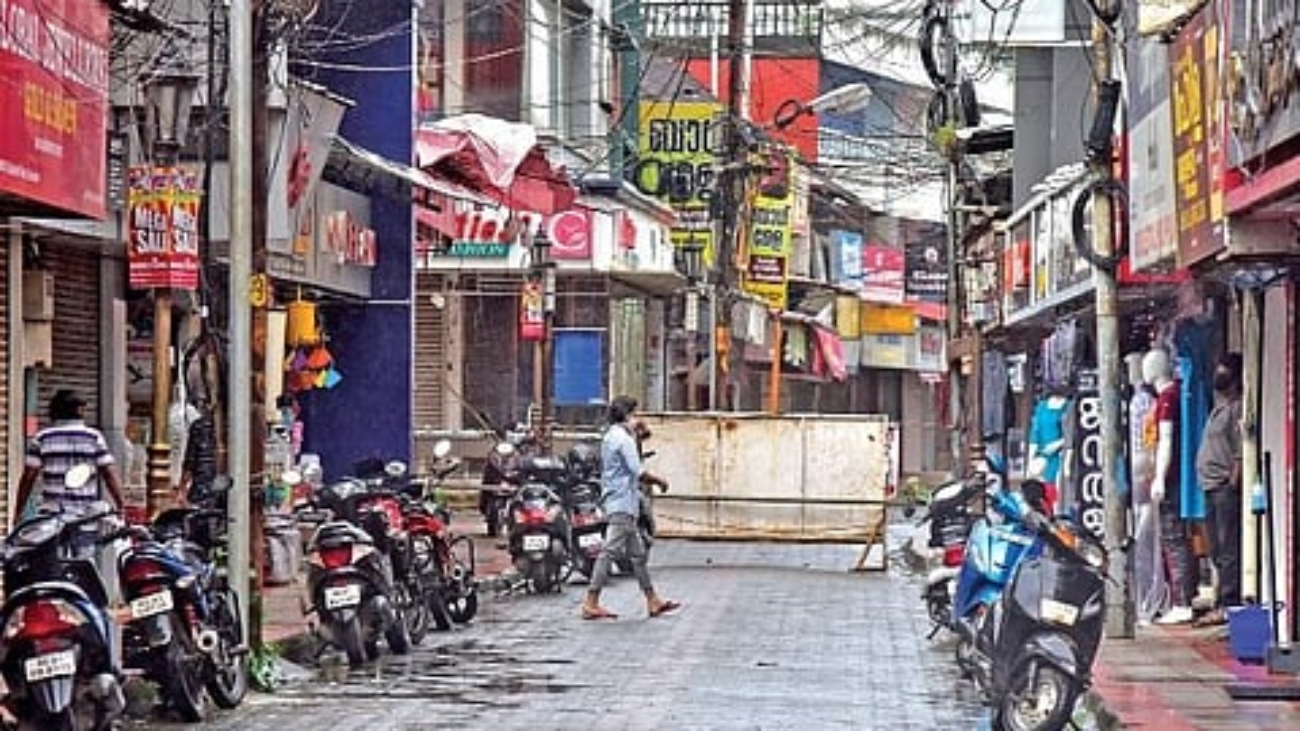
Kerala Vision 2047 imagines Broadway Market in Kochi as a vibrant urban laboratory where heritage, commerce, innovation, and pedestrian culture come together in a modern coastal city. Broadway, one of the oldest retail corridors in Kerala, has long been a place where traders, artisans, wholesalers, and local communities intersect in a dense, energetic space. But as Kochi urbanizes rapidly, the market now faces pressure from traffic congestion, aging infrastructure, competition from malls, and the need for new business models. By 2047, the goal is to transform Broadway into a future-ready heritage district that preserves its character while embracing digital, cultural, and sustainable upgrades.
The first step in reimagining Broadway is to establish it as a pedestrian-first market. By 2047, Broadway can be redesigned with shaded walkways, stone pavements, uniform façade guidelines, façade lighting, and hidden utilities. A pedestrian corridor without constant vehicular interruptions will enhance safety, encourage longer stays, and improve the shopping experience. Broadway’s narrow lanes, which historically supported intimate commerce, can be enhanced with micro-squares, seating pockets, and seasonal pop-up zones where artisans and performers can display their craft.
A major transformation lies in digital integration. Kochi’s emerging role as a tech and creative hub offers Broadway an opportunity to become India’s first intelligent heritage market. Digital signages, QR-coded shopfronts, virtual maps, e-payment support, and order-ahead systems can create a hybrid marketplace where visitors can experience traditional trading while enjoying technological convenience. A Broadway Market App can list shops, display live stock updates, offer festival discounts, and showcase heritage stories associated with each lane. This positions Broadway as a digital-era bazaar without compromising its authenticity.
Kochi’s multicultural legacy should also be at the heart of this redevelopment. Broadway can become a curated cultural district with annual festivals celebrating Cochin’s diverse communities—Jewish, Konkani, Tamil, Syrian Christian, Muslim, and Gujarati trading traditions. Small museums or micro-galleries could be embedded into unused upper floors, showcasing Broadway’s evolution from a colonial-era trading street to a 21st-century marketplace. Cultural trails connecting Broadway to Mattancherry, Fort Kochi, and Marine Drive can help tourists move through a unified heritage circuit.
The economic model of Broadway must be revitalized as well. Traditional wholesale and retail shops can be supported through incubation programs that help them adopt digital tools, branding techniques, and modern inventory systems. By 2047, Broadway can host a structured pop-up economy where young entrepreneurs, women’s groups, and home-based creators use designated spaces to sell crafts, food products, ethical fashion, and wellness items. This infusion of new-age commerce keeps the market relevant for younger generations while preserving the existing business community.
Sustainability must be central to the market’s redesign. Broadway can adopt rooftop solar panels across buildings, community waste management systems, rainwater harvesting units, and rooftop gardens. The dense fabric of the market makes it ideal for shared energy and water infrastructure. A zero-plastic policy, recycling kiosks, and green alleyways can make Broadway a model for sustainable commercial districts in coastal cities vulnerable to climate change.
Connectivity improvements will play a major role in the growth of Broadway by 2047. Integration with Kochi Metro, Water Metro, electric buses, cycle-sharing stations, and pedestrian bridges can ensure seamless access. Smart parking hubs on the periphery can reduce congestion inside the market while offering shuttle services and digital parking reservations. These facilities allow Broadway to retain its charm without being overwhelmed by traffic.
Governance reforms are essential for long-term success. A Broadway Market Management Authority can coordinate heritage conservation, licensing, environmental standards, security, and vendor regulation. This authority can work collaboratively with traders’ unions, residents, artisans, and cultural organizations to maintain the market’s identity. Ensuring night-time safety, installing CCTV networks, maintaining cleanliness, and enforcing façade guidelines will significantly improve the visitor experience.
By 2047, Broadway can also be envisioned as a creative ecosystem. The unused upper floors of many buildings can be converted into studios for artists, co-working spaces for designers, training centers for traditional crafts, and micro-heritage museums. This adds a new dimension to the market, turning it into a living cultural district rather than just a shopping street. Street musicians, food stalls with regulated hygiene standards, and curated night markets can add to its vibrancy.
The waterfront proximity of Broadway is another asset that can be leveraged. A seamless pedestrian route linking Broadway to Marine Drive can create a continuous recreational and commercial belt. This integration can attract tourists, families, and young professionals, transforming the area into a sociocultural heart of Kochi.
Kerala Vision 2047 imagines Broadway Market as a place where history and innovation coexist effortlessly. It remains a bustling hub of trade but evolves into a clean, walkable, digitally powered, culturally rich, and environmentally conscious district. With careful planning and community participation, Broadway can become not only the pride of Kochi but also a national example of how historic markets can adapt to the future without losing their essence.
