
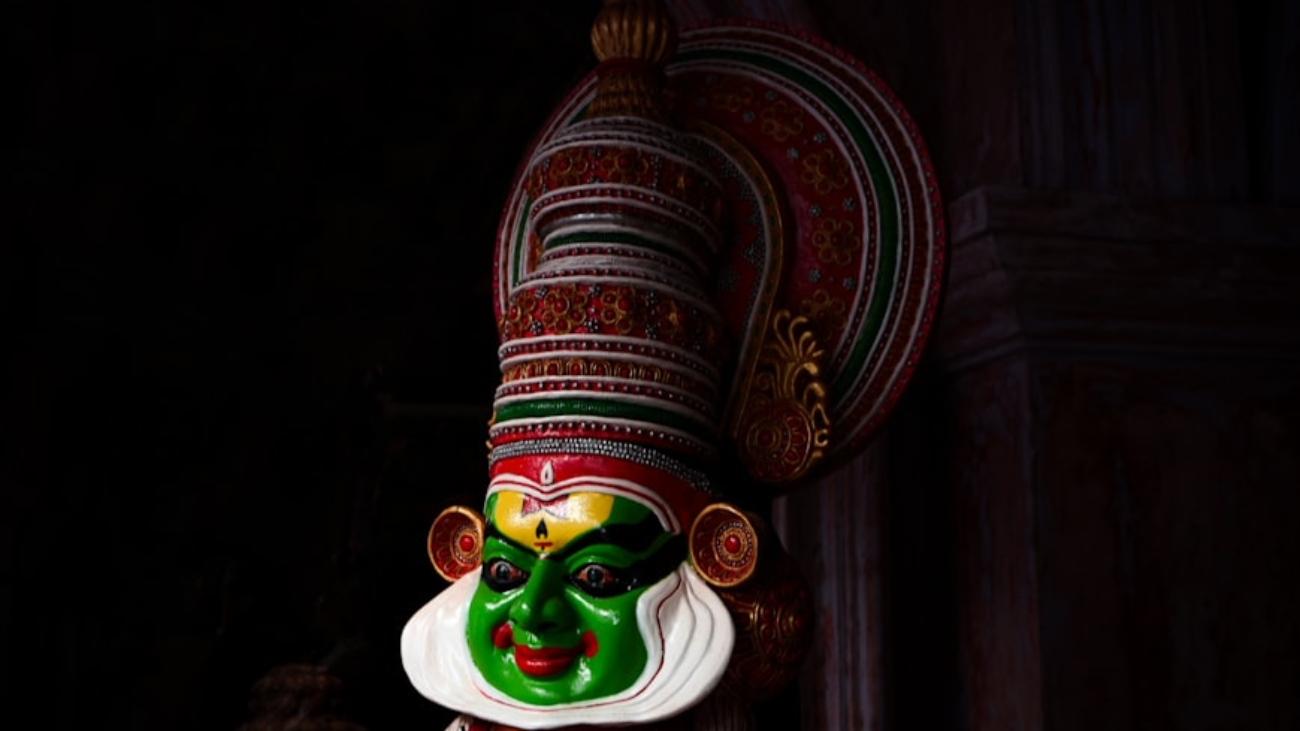
Kerala Kalamandalam is not just an institution—it is the spiritual and artistic nerve centre of Kerala’s classical heritage. Founded in 1930 by Vallathol Narayana Menon, Kalamandalam revived dying art forms like Kathakali, Mohiniyattam, Koodiyattam, Ottanthullal, and Thullal, shaping them into living traditions taught with rigour and devotion. As Kerala approaches 2047, Kalamandalam has the opportunity to evolve from a revered arts school into a global epicentre for performing arts, cultural education, digital preservation, and creative innovation. Kerala Vision 2047 imagines Kalamandalam as a world institution that inspires artists, scholars, audiences, and innovators across continents.
The first dimension of this transformation is institutional expansion. By 2047, Kalamandalam can evolve into a full-fledged global arts university offering undergraduate to doctoral programmes in classical arts, cultural studies, musicology, costume design, dramaturgy, theatre technology, and performance research. Interdisciplinary programmes can blend tradition with contemporary studies—art therapy, performance psychology, digital stagecraft, motion capture for dance, and classical arts management. This positions Kalamandalam as one of Asia’s premier arts knowledge hubs.
Cultural preservation must be strengthened through advanced digital archiving. By 2047, Kalamandalam can lead a national-level Classical Arts Digital Library project that records performances in ultra-high-resolution, documents manuscripts, preserves rare percussion rhythms, maps gestures using motion-capture technology, and archives oral histories from masters. AI-based annotation tools can tag mudras, ragas, expressions, and talas, making them accessible to scholars worldwide. This ensures that no fragment of Kerala’s classical heritage is lost to time.
Performance infrastructure must also undergo modernization. A world-class Performing Arts Complex can be built with acoustically crafted indoor theatres, open-air amphitheatres, immersive digital stages, and experimental black-box spaces. These venues can host festivals, international collaborations, artist residencies, and academic symposiums. A yearly Kalamandalam International Arts Festival can bring together global performers from Japan, Indonesia, Greece, Africa, and Europe to interpret their traditions alongside Kerala’s classical arts, fostering cultural diplomacy and artistic exchange.
Kalamandalam’s teaching ecosystem can be strengthened for the next generation. By 2047, the guru–shishya parampara must coexist with modern pedagogical tools. Smart classrooms, gesture-recognition learning aids, virtual reality (VR) rehearsal rooms, and global online modules can supplement traditional training. Scholarships, international fellowships, and artist exchanges can attract talent from across India and abroad. Special programmes can empower children from marginalized communities, SC/ST backgrounds, and rural regions to access classical arts training.
Kalamandalam must also embrace research. A Centre for Performing Arts Research and Innovation can study biomechanics of movement, costume engineering, theatre science, percussion acoustics, indigenous dramaturgy, and neurocognition of emotion in classical arts. Collaboration with medical colleges, engineering institutions, and humanities departments can produce groundbreaking research on how traditional art forms enhance mental health, emotional regulation, and cultural identity. Such work positions Kalamandalam at the intersection of science and art—something global institutions increasingly value.
Tourism and cultural economy can be major engines of growth. By 2047, Kalamandalam can host guided campus tours, interactive demonstration sessions, live class experiences, costume galleries, storytelling pavilions, and museum exhibits celebrating Kerala’s artistic journeys. Pilgrimages of art lovers from Japan, France, Russia, and South Korea—countries deeply connected to classical forms—can generate sustainable cultural income. Artist residencies, curated retreats, and short-term certification courses can attract global learners seeking immersive cultural experiences.
Community engagement must expand. Kalamandalam can run outreach programmes to schools, tribal areas, coastal communities, and urban neighbourhoods, creating cultural clubs that revive folk traditions and inspire young audiences. Documentaries, children’s books, digital content, and TV productions can popularize classical arts among new generations. Mobile performance units—small teams of teachers and students travelling to remote villages—can democratize access to art.
The surrounding Cheruthuruthy–Shoranur region can evolve into a vibrant cultural district. By 2047, infrastructure upgrades such as pedestrian-friendly streets, signage, arts cafés, bookstores, riverfront walkways, and craft markets can turn the region into a cultural tourism hub. Artist housing, rehearsal halls, and wellness facilities for performers can be part of an expanded cultural township. Local communities benefit through jobs in hospitality, crafts, transport, and small businesses.
Financial sustainability must also be addressed. A Kalamandalam Global Arts Endowment Fund can be created with contributions from alumni, philanthropists, cultural ministries, global arts councils, and international foundations. Revenue streams from digital performances, virtual masterclasses, global festivals, and merchandise can support the institution’s independence and growth. Partnerships with the Indian diaspora, especially in the Middle East, Europe, and North America, can help establish overseas arts centres affiliated with Kalamandalam.
Kerala Vision 2047 also imagines Kalamandalam as a leader in cultural diplomacy. Collaborative projects with UNESCO, global theatres, universities, and national arts institutions can position Kalamandalam as a key representative of India’s soft power. Exchange programmes with Noh theatres of Japan, shadow puppetry schools of Indonesia, Greek theatre academies, and African dance communities can enrich artistic understanding and elevate global visibility.
Environmental sustainability must guide the campus’s future. Solar-powered lighting, rainwater harvesting, zero-waste systems, green theatres, and riverbank conservation can make Kalamandalam a model eco-cultural campus. The Bharathapuzha riverfront can be restored with walking paths, performance spots, and biodiversity gardens, aligning art with nature.
Kerala Vision 2047 ultimately imagines Kalamandalam as the crown jewel of Kerala’s cultural identity—a global university of classical arts, a living museum of heritage, a research powerhouse, a creative incubator, and a beacon of cultural diplomacy. Even as the world modernizes rapidly, Kalamandalam will remain a sanctuary where tradition evolves, creativity flourishes, and the timeless spirit of Kerala’s classical arts continues to inspire humanity.
