
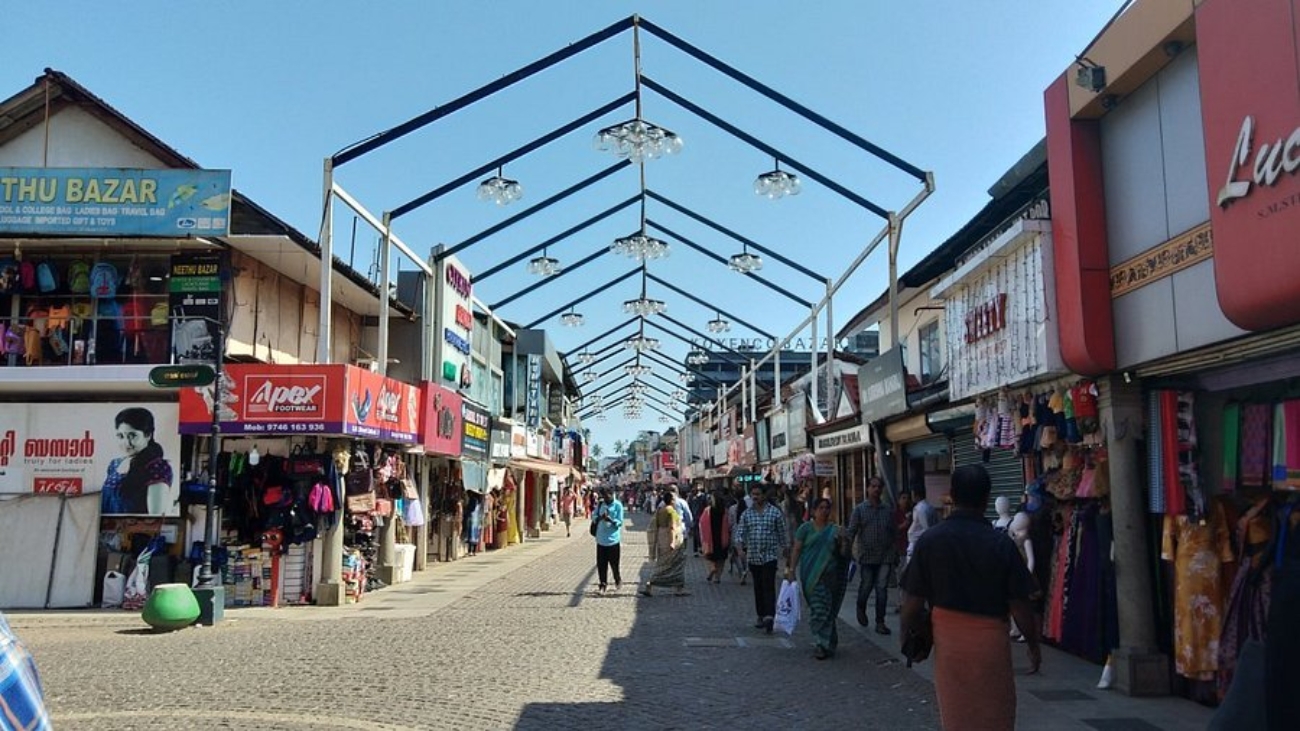
Kerala Vision 2047 sees SM Street and the historic markets of Kozhikode not merely as commercial hubs but as cultural, economic, and entrepreneurial ecosystems that reflect the city’s deep heritage and future aspirations. These markets, which have evolved over centuries through spice trade, handicrafts, textiles, and artisanal traditions, can become the living laboratories for Kerala’s urban renewal and creative economy. By 2047, Kozhikode can transform its market culture into a showcase of design, innovation, and community-led development while preserving the soul that makes these streets iconic.
SM Street, known locally as Mittai Theruvu, has always been more than a shopping destination; it is an emotional symbol of Kozhikode’s old-world charm. However, the street today faces intense pressure from urban congestion, unplanned storefronts, lack of digital enablement, and competition from e-commerce. Kerala Vision 2047 must treat SM Street as a flagship heritage commerce district, integrating modern infrastructure without erasing cultural identity. The first transformation involves redesigning the street as a walkable, climate-responsive zone. Shaded corridors, improved drainage, heritage-themed lighting, and hidden utility ducts can greatly improve comfort and reduce visual clutter. A pedestrian-first philosophy aligns with Kozhikode’s compact urban form and encourages longer visitor engagement, benefiting small businesses.
Digital integration will be key to future-proofing Kozhikode’s markets. By 2047, SM Street should operate as a hybrid marketplace where physical charm is paired with digital convenience. An SM Street mobile portal can provide real-time shop listings, festival schedules, discount alerts, and virtual tours for visitors planning their trip. Local merchants can be assisted with digital POS systems, inventory platforms, and logistics solutions that enable them to compete with large retailers. With Kozhikode emerging as an IT and design destination, student and startup-led hackathons could develop apps, AR experiences, and digital storytelling tools that add a new layer of experience to the markets.
Kozhikode’s markets—Vellayil fish market, Palayam market, Sweet Meat Street, Kallai timber yard, and the smaller craft bazaars—represent diverse micro-economies that must evolve without becoming homogenized. A unified Market Renewal Authority for Kozhikode can coordinate upgrades, manage traffic, and ensure heritage preservation across all major commercial zones. This authority should work closely with local traders’ bodies, residents, and urban designers to co-create development plans. Upgraded waste management systems, clean public toilets, smart parking, and vendor zones can elevate the basic quality of the market environment. An integrated public transport linkage—through e-buses, cycle lanes, and last-mile e-rickshaws—would ease congestion while retaining accessibility.
Art and culture must become central to this renewal. Kozhikode’s markets are living museums, and by 2047, they should host curated cultural experiences. Street performances, craft demonstrations, food festivals, and seasonal exhibitions can make the markets vibrant throughout the year. SM Street can become Kerala’s flagship outdoor festival corridor, similar to European heritage streets that attract global tourists. Local artisans—especially those working with textiles, coir, bamboo, and metal crafts—can be given micro-studios within the market to produce and sell directly. This connects visitors to the making process and preserves traditional skills.
Kozhikode’s reputation as a culinary capital also offers a unique advantage. By 2047, a structured Culinary Heritage Trail can connect iconic eateries, spice shops, bakeries, and sweet shops across SM Street and adjacent markets. Digital QR-based storytelling can narrate the history of dishes, families, and businesses. With global attention on Malabar cuisine rising, such initiatives can position Kozhikode as a gastronomic tourism hotspot.
Sustainability must be built into every upgrade. The markets can adopt decentralized solar rooftops, community cooling systems, and water-harvesting infrastructure. Green alleys and planted courtyards can soften the dense built environment and improve microclimate. Plastic-free zones, reverse vending machines, and material recovery stations can align Kozhikode’s markets with Kerala’s broader green goals. By embedding sustainability into daily operations rather than treating it as an add-on, Kozhikode can become a model for resilient urban commerce.
By 2047, Kozhikode’s markets should also evolve into economic engines for micro-entrepreneurship. Young designers, home-based entrepreneurs, artisans, and women self-help groups can be integrated through regulated pop-up markets on weekends. These curated pop-up zones can rotate themes—fashion, crafts, organic products, tech gadgets—bringing freshness and attracting younger crowds. This interaction between traditional and new-age commerce strengthens the market’s relevance for future generations.
Safety, governance, and visitor experience must all reach global standards. A dedicated market patrol, CCTV analytics, emergency access pathways, and night-time safety measures will make the markets more inclusive. Tourist help desks, multilingual signages, centralized information kiosks, and accessible pathways can transform Kozhikode into one of India’s most visitor-friendly historic market cities.
Kerala Vision 2047 thus imagines SM Street and Kozhikode’s markets as interconnected, future-ready spaces that balance heritage with modernity. They will not just survive the pressures of globalization but thrive by embracing culture, technology, sustainability, and community-led governance. In this vision, Kozhikode becomes a city where every street tells a story, every shop contributes to an economic narrative, and every visitor leaves with a deeper appreciation of Kerala’s past and future.
