
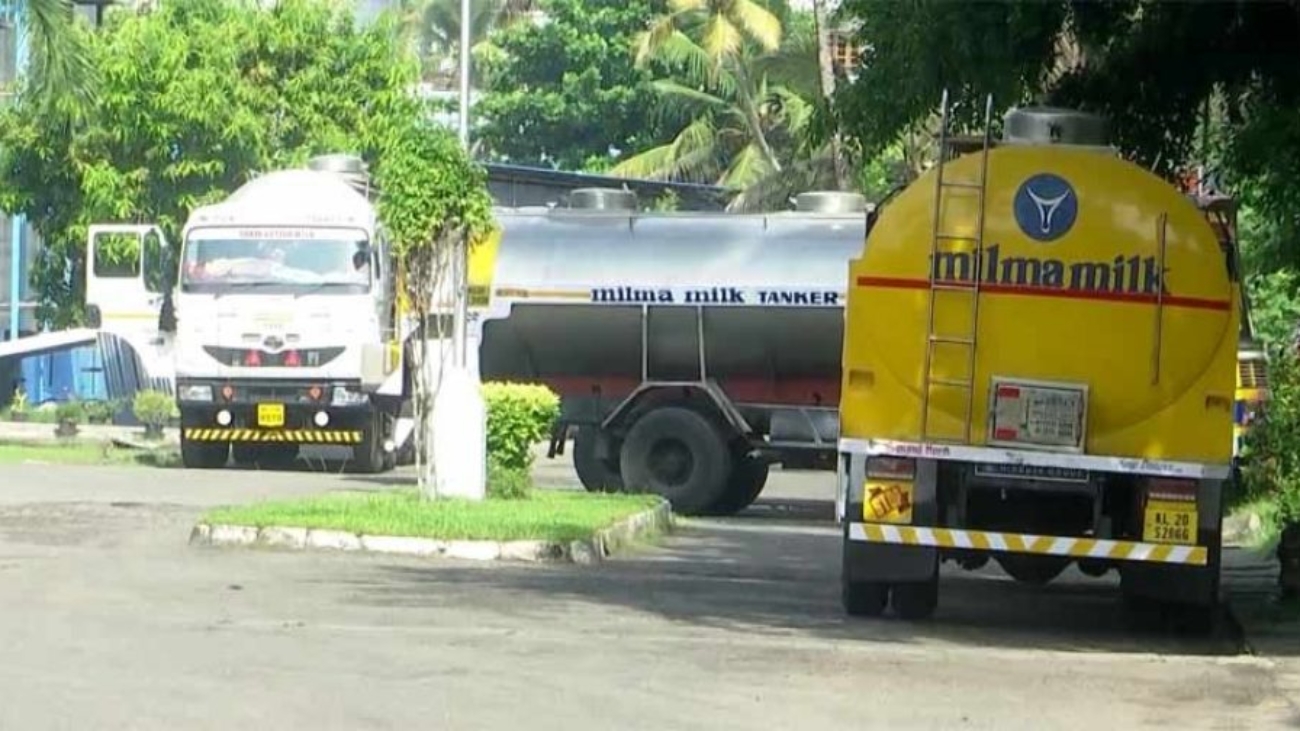
The Kerala Co-operative Milk Marketing Federation, popularly known as MILMA, is one of the most visible and trusted farmer-facing institutions in the state. For tens of thousands of small and marginal farmers, especially women, dairy income routed through MILMA provides daily cash flow and financial stability unmatched by most crop activities. Yet as consumption patterns, climate risks, and market competition evolve, Kerala Vision 2047 must reposition MILMA from a successful procurement-and-marketing federation into the economic spine of a future-ready dairy ecosystem.
MILMA’s greatest achievement has been assured procurement. By guaranteeing that milk will be collected every day at predictable prices, MILMA has insulated farmers from the volatility that plagues many agricultural markets. This assurance has allowed even land-poor households to participate in the rural economy. By 2047, this core strength must not only be protected but deepened, ensuring that no viable dairy farmer in Kerala is excluded due to scale, location, or social status.
However, cost pressures are rising. Feed prices, labor shortages, veterinary expenses, and climate-related productivity losses are squeezing margins. Kerala Vision 2047 demands that MILMA move beyond price procurement into cost stabilization. This means deeper integration with fodder planning, bulk feed procurement, localized feed production, and coordination with KLDB and veterinary services so that productivity gains translate into real income growth.
Value addition is the next frontier. Milk as a raw commodity offers limited margins, while processed products capture far greater value. By 2047, MILMA must aggressively expand into high-value segments such as cheese, yoghurt, probiotic products, infant and elderly nutrition, functional dairy beverages, and ready-to-consume products aligned with urban and health-conscious markets. Every step up the value chain strengthens MILMA’s ability to pay farmers better while remaining competitive.
Climate resilience will increasingly shape dairy viability. Heat stress reduces milk yield and affects animal health. Vision 2047 requires MILMA to actively support climate-adaptive dairy practices—cooling infrastructure at collection centers, support for improved cattle housing, and incentives for water-efficient operations. Dairy cooperatives should become hubs of climate-smart practices rather than passive collection points.
Technology must modernize farmer engagement. By 2047, every MILMA supplier should have access to transparent digital records showing milk quantity, quality, payments, and incentives. Data-driven quality incentives can reward farmers for better practices rather than penalizing them retrospectively. Trust, once built through cooperatives, must now be reinforced through transparency and technology.
Women’s economic empowerment remains one of MILMA’s quiet strengths. A large share of dairy farmers and cooperative participants are women, often managing household-level operations. Kerala Vision 2047 should consciously strengthen this role through leadership training, entrepreneurship pathways, and targeted support for women-led dairy enterprises. Dairy should remain one of Kerala’s strongest engines of inclusive growth.
Urban integration is another strategic opportunity. Kerala’s cities consume enormous volumes of dairy products daily. By 2047, MILMA should function as a direct bridge between urban consumers and rural producers, emphasizing freshness, safety, and local sourcing. Strong urban branding rooted in farmer welfare can differentiate MILMA from private competitors and justify consumer loyalty.
By 2047, MILMA must stand not just as a milk federation, but as a farmer-owned food enterprise that anchors rural incomes, supports nutrition security, and adapts confidently to market and climate change. When dairy farmers trust that their institution will evolve with them, milk becomes more than a product—it becomes a pillar of economic dignity in Kerala’s agricultural future.
